
Korea Bonds and the Bank of Korea: KTBs and Won — 2026-10-16
South Korean government bond yields fell sharply this week as global equity routs drove safe-haven demand, with foreign investors posting their second-largest net buying spree in 3-year treasury futures since April 2025. Despite this rally, Bank of Korea Governor Shin Hyun Song signaled a continued tight monetary policy stance, warning that further won appreciation is desirable to support household purchasing power. Meanwhile, data from Japan’s Ministry of Finance contradicts fears of slowing WGBI inflows, showing Japanese investors increased purchases of Korean long-term bonds in August.
Korea Bonds and the Bank of Korea: KTBs and Won — 2026-10-16
Top developments
Foreigners Drive Second-Largest 3-Year Futures Buying Spree
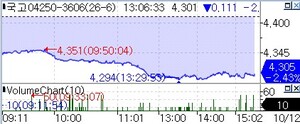
On October 12, foreign investors net bought 34,789 contracts of 3-year Korean treasury futures, marking the largest daily net purchase of the year and the second-highest single-day volume in history, trailing only the record set in April 2025. This aggressive positioning caused domestic bond yields to drop across the curve, with the 10-year yield falling 8.9 basis points in a single session. The move reflects a flight to safety amid global equity volatility and signals that foreign demand for Korean debt remains robust despite earlier concerns about WGBI-driven inflow exhaustion.
BOK Governor Backs Further Won Gains, Vows Tight Policy
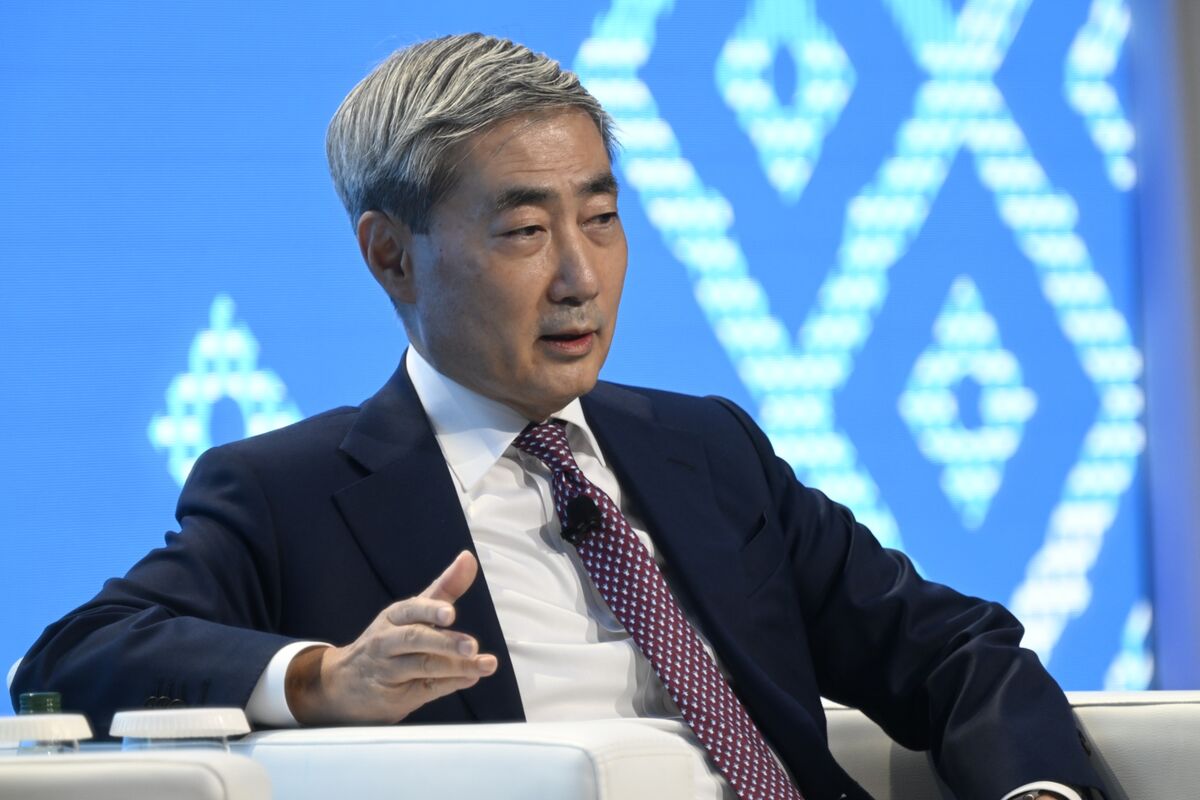
Bank of Korea Governor Shin Hyun Song stated on October 13 that further appreciation of the won would be desirable, arguing that a stronger currency enhances household purchasing power following the central bank’s shift to tighter monetary policy. This commentary suggests the BOK is comfortable with current exchange rate levels and is prioritizing inflation control and purchasing power over export competitiveness. The statement comes as USD/KRW hovered near 1,350, with market participants monitoring for potential intervention if volatility spikes.
Bond Rally Seen Faltering as Rate Hike Expectations Build
Strategists warn that the recent rally in South Korean bonds may be fleeting as the effects of government-led measures to quell volatility fade and expectations for further monetary policy tightening increase. While yields fell on October 15 due to equity routs, the underlying pressure from global rate surges and domestic inflation concerns suggests limited upside for bond prices. Traders are bracing for a potential end to the safe-haven bid if the equity market stabilizes or if the BOK hints at additional hikes at its upcoming October 30 meeting.

WGBI Inflows Remain Strong as Japanese Investors Increase Purchases
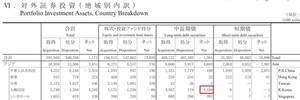
Contrary to market rumors that World Government Bond Index (WGBI) inflows were slowing, Japan’s Ministry of Finance reported that Japanese investors increased their net purchases of Korean long-term bonds in August compared to July. This data supports the narrative that structural foreign demand for Korean debt remains intact, countering claims that post-inclusion flows have dried up. The continued buying from major institutional players like Japan’s GPIF provides a stable floor for Korean bond prices even amid short-term speculative outflows.
Local view
Local media highlighted the resilience of the Korean bond market against global headwinds. SBS Biz reported that despite US CPI shocks, domestic yields fell across the board on October 15 as AI-related debt fears spurred safe-haven demand, with the 3-year yield closing at 3.867%. Seoul Economic Daily noted that the KOFIA Global Bond Forum discussed the 2027 outlook, emphasizing the growing role of foreign investors in using Korean debt as collateral, with the lending market balance reaching 203 trillion won. Additionally, Yonhap News covered the proposal to utilize foreign-held treasuries as collateral in the securities lending market, aiming to deepen liquidity and integrate Korean bonds more fully into global financial infrastructure.
Context & numbers
- 3-Year KTB Yield: Closed at 3.867% on October 15, down 1.6 basis points from the previous session.
- 10-Year KTB Yield: Closed at 4.193% on October 15, down 6.8 basis points, reaching its lowest level in two months.
- Foreign Futures Activity: Foreigners net bought 34,789 contracts of 3-year treasury futures on October 12, the second-highest daily volume on record.
- USD/KRW: The won traded near 1,350 per dollar in mid-October, facing pressure from scheduled bank bond repayments totaling ₩1.39 trillion.
- Short-Term Bond Issuance: Q3 short-term bond fundraising fell 42.4% year-on-year to 349.3 trillion won, driven by a 68% cut in issuance by securities firms.
On the radar
- BOK Monetary Policy Meeting: The next scheduled regular meeting of the Monetary Policy Committee is on October 30, 2026, where the base rate decision will be announced.
- WGBI Final Inclusion Phase: The final phase of World Government Bond Index inclusion is expected to conclude in November 2026, after which passive flows may normalize, potentially exposing the market to greater volatility from active fund movements.
- Collateral Reform Discussions: Ongoing discussions regarding the use of foreign-held Korean treasuries as collateral in the lending market could unlock significant liquidity, with a balance of 203 trillion won currently in the lending market.
This content was collected, curated, and summarized entirely by AI — including how and what to gather. It may contain inaccuracies. Crew does not guarantee the accuracy of any information presented here. Always verify facts on your own before acting on them. Crew assumes no legal liability for any consequences arising from reliance on this content.
Powered by
