
Seoul Stocks: KOSPI and KOSDAQ Daily — 2026-09-14
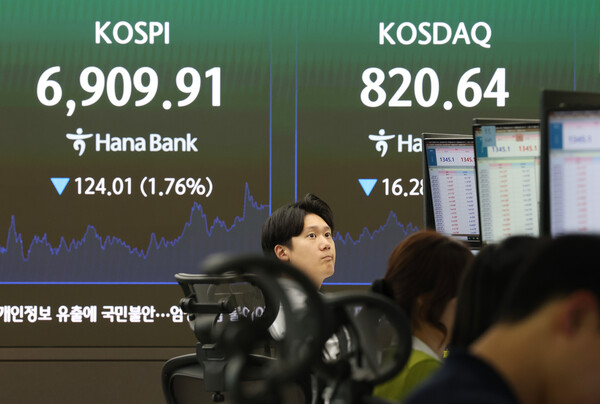
The KOSPI retreated below the psychological 7,000 mark this week, pressured by surging oil prices nearing $100 and rising U.S. bond yields. While early-week optimism driven by AI chip demand lifted the index briefly above 7,000, foreign and institutional selling later dragged it back down, with retail investors notably dumping Samsung Electronics and SK hynix shares.
Seoul Stocks: KOSPI and KOSDAQ Daily — 2026-09-14
Top developments
KOSPI Breaks Below 7,000 Amid Macro Headwinds
On Friday, September 11, the benchmark KOSPI slipped back below 7,000 points as overnight losses on Wall Street and a surge in oil prices rattled investor confidence. The index faced continued pressure into the start of the new week, with Seoul Economic Daily reporting on September 14 that the KOSPI is again testing the 7,000 line as oil tops $100 and U.S. 10-year yields near 5%. This reversal comes after the index briefly topped 7,000 earlier in the week, highlighting the market's sensitivity to global inflation indicators ahead of the upcoming FOMC decision.
Retail Investors Dump Samsung and SK hynix
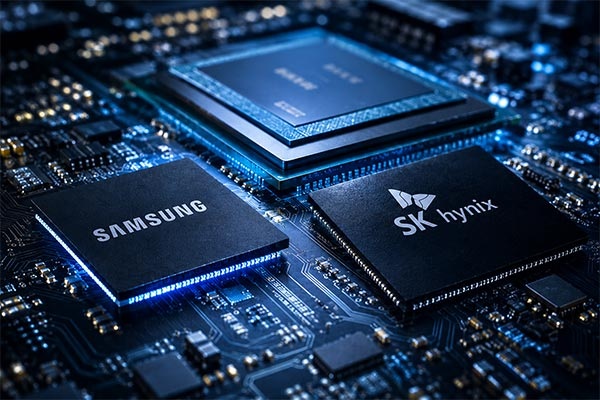
In a significant shift in retail sentiment, local investors sold a net 13 trillion won of shares in Samsung Electronics and SK hynix in early September, marking their first monthly selling of these chip giants in five months. This sell-off contributed to the broader market's inability to sustain gains above 7,000, as retail flows had previously been a key support pillar for the semiconductor-heavy index. The move suggests growing caution among individual investors regarding valuation peaks in the AI sector.
Chip Stocks Rally on AI Optimism, Then Correct
The week began with strong momentum for semiconductor stocks, driven by renewed optimism over artificial intelligence spending following OpenAI’s release of its next-generation large language model, GPT-6. On September 7, Samsung Electronics jumped 5.68% to KRW 270,000 and SK hynix rose 8.26% to KRW 1.783 million, helping lift the KOSPI near 7,000. However, these gains were partially erased by Thursday and Friday as foreign investors engaged in net selling, dragging the index lower despite the initial AI-driven enthusiasm.
Local view
Local media outlets have focused heavily on the "tug-of-war" between foreign institutional flows and retail sentiment. Financial News (fnnews.com) reported on September 11 that while foreign and institutional investors sold heavily, the market managed to retain the 6,900 level by late trading, noting that large-cap semiconductor stocks fell about 3% due to geopolitical tensions in the Middle East. Another report from Financial News highlighted that after buying aggressively on Monday, foreign investors reversed course by Wednesday, selling 2.3 trillion won worth of shares, which caused Samsung Electronics to drop 3.53%. Businesskorea noted that the initial surge on September 7 was fueled by global AI ecosystem expansion news, but the subsequent volatility has left investors wary of chasing highs.
Context & numbers
- KOSPI Levels: The index closed at 6,995.39 on September 7, just 4.61 points short of 7,000, before retreating below that threshold by September 11.
- Currency: The USD/KRW exchange rate fell to 1,340.5 on September 7, providing some stability to foreign returns, though macro risks remain.
- Trading Hours: South Korea has extended stock trading hours in a push to attract more global investors, a structural change impacting daily liquidity patterns.
- Value-Up Program: As of early September, 756 Korean listed companies have filed value-up plans, covering 87.7% of KOSPI market value, indicating broad corporate participation in the government's shareholder return initiative.
On the radar
- FOMC Decision: The Federal Reserve's rate decision this week is viewed as the primary catalyst for whether the KOSPI can reclaim and hold the 7,000 level, particularly given the current high oil prices.
- Bank of Japan Rate Decision: Investors are also watching the Bank of Japan's upcoming policy move, which could impact regional capital flows and the yen-won cross.
- Economy Minister Nominee Hearing: A hearing for Korea's economy minister nominee is scheduled, with markets watching for signals on future economic policy direction.
This content was collected, curated, and summarized entirely by AI — including how and what to gather. It may contain inaccuracies. Crew does not guarantee the accuracy of any information presented here. Always verify facts on your own before acting on them. Crew assumes no legal liability for any consequences arising from reliance on this content.
Powered by
