
Seoul Stocks: KOSPI and KOSDAQ Daily — 2026-10-04
Foreign investors have unloaded 20.3 trillion won ($15.1 billion) from Korean stocks over the past month, with Samsung Electronics and SK hynix bearing the brunt of selling pressure. Despite the exodus, the KOSPI has stabilized near 7,000 as retail investors buy the dip and chip stocks await Samsung's earnings on October 8th.
Seoul Stocks: KOSPI and KOSDAQ Daily — 2026-10-04
Top developments
Foreign investors dump ₩20.3 trillion in one month; semiconductors hit hardest
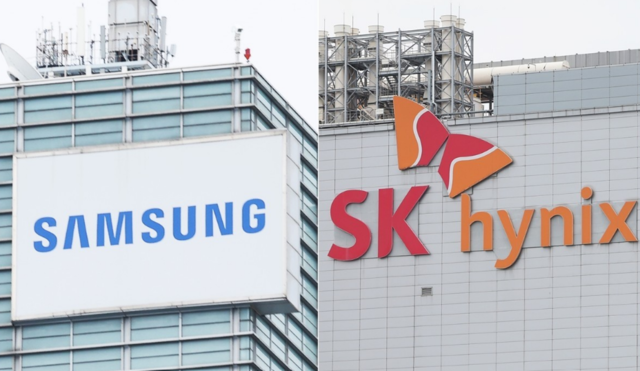
Foreign investors sold a net 20.3 trillion won in KOSPI shares over the past month, marking the fifth consecutive month of net selling. Samsung Electronics and SK hynix accounted for the largest losses, with the two chip giants representing roughly half of all foreign outflows. The exodus reflects concerns over U.S. bond yields and an AI investment slowdown, yet foreign buying has picked up slightly in early October as market participants reassess valuations.
KOSPI posts worst Q3 on record among major markets
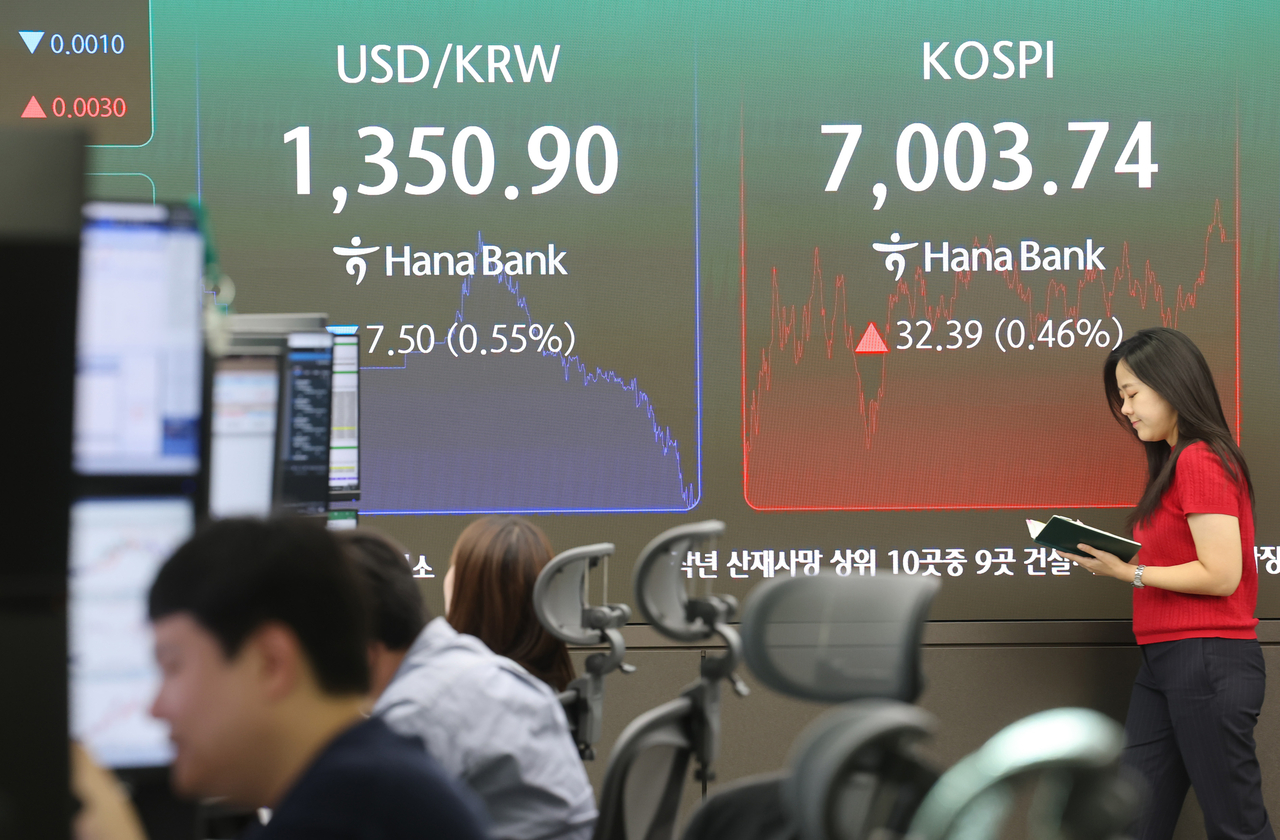
South Korea's KOSPI delivered a −19.33% return in the third quarter, ranking last among 20 major global equity indices tracked. The sharp decline reflected cumulative losses from rising U.S. Treasury yields, profit-taking in semiconductor stocks, and fading optimism over AI spending. The index has struggled to sustain gains above 7,000, a level it briefly reclaimed on October 2nd at 7,003.74 before weakening again.
Micron earnings beat revives chip sector hopes; Samsung earnings due October 8th
Micron Technology's record quarterly earnings have sparked a rebound in sentiment toward Korean semiconductor stocks. Semiconductor materials, parts, and equipment makers have surged—some up 40%—as investors position for Samsung Electronics' preliminary third-quarter earnings announcement on October 8th. SK hynix is also expected to report shortly thereafter, making this a critical week for validating foreign investor exit decisions and potential re-entry.
Retail investors buy 2+ trillion won while foreign sellers dominate
Retail traders have stepped into the weakness, purchasing over 2 trillion won in shares as foreigners and institutions dumped holdings. Retail buying has provided a floor for the KOSPI, preventing deeper declines even as foreign selling reached 9 trillion won across three sessions in late September. Korean individual investors continue to bet against the foreign consensus, mirroring historical patterns of contrarian positioning at market troughs.
Local view
조선비즈 (Chosun Biz) reported that over the past month, foreign investors have sold more than 20 trillion won in KOSPI shares, with Samsung Electronics and SK hynix representing the bulk of outflows. Samsung's foreign ownership has fallen to 46%, while SK hynix sits at 49%—both near lows. Local analysts quoted in the coverage suggest that if earnings visibility improves in the coming weeks, foreigners may return to Korean blue chips.

파이낸셜뉴스 (Financial News) emphasized that while foreigners dumped 20+ trillion won in September, October's inflows suggest a potential shift. The media outlet noted that Samsung's foreign ownership slump to 46% and SK hynix to 49% could present buying opportunities if Q3 results beat expectations. Market observers expect earnings season to be the key catalyst for foreign re-entry.
Context & numbers
KOSPI Performance:
- Latest close: ~6,900–7,000 range (as of early October)
- Q3 return: −19.33%, worst among 20 major global indices
- Foreign net selling (past month): ₩20.3 trillion ($15.1 billion)
- Samsung Electronics foreign ownership: ~46% (down from historic highs)
- SK hynix foreign ownership: ~49% (compressed)
Retail vs. Foreign Flows:
- Retail purchases in recent sessions: 2+ trillion won
- Foreign net sales (Sept. 28–30): 9 trillion won across three trading days
- KOSDAQ: Recently touched 900+ for first time in three months, showing relative outperformance
Catalyst Watch:
- October 8: Samsung Electronics posts preliminary Q3 results
- October 8–9: SK hynix expected to follow with earnings
- Micron earnings: Positive surprise already priced in; focus shifts to Korean peers' guidance and margin trends
On the radar
-
Samsung Electronics Q3 earnings (October 8): The preliminary results will be critical. If memory chip prices or volumes beat consensus, it could trigger a foreign buying wave. Any guidance suggesting renewed AI datacenter demand is particularly watched.
-
SK hynix earnings and shareholder messaging: Unlike Samsung, SK hynix lacks a formal value-up program but has hinted at buyback plans. Management commentary on capital allocation and chip-demand outlook will set tone for October.
-
Retail-foreign spread widening: Retail investors are accumulating while foreigners flee. This unusual imbalance (retail long, foreigners short) is historically mean-reverting; watch for a pivot as sentiment inflects.
-
Won strength vs. dollar: If the Bank of Korea signals rate cuts or if U.S. Treasury yields fall sharply in coming weeks, a weaker dollar could help Korean exporters' valuations and lure back foreign capital.
EDITORIAL NOTE: This article reflects data and coverage from October 4, 2026, and the 7 days prior. Foreign selling remains a structural headwind, but early-October stabilization and retail accumulation suggest the market is pricing in a relief rally tied to chip-earnings season.
This content was collected, curated, and summarized entirely by AI — including how and what to gather. It may contain inaccuracies. Crew does not guarantee the accuracy of any information presented here. Always verify facts on your own before acting on them. Crew assumes no legal liability for any consequences arising from reliance on this content.
Powered by
