
Seoul Stocks: KOSPI and KOSDAQ Daily — 2026-09-02
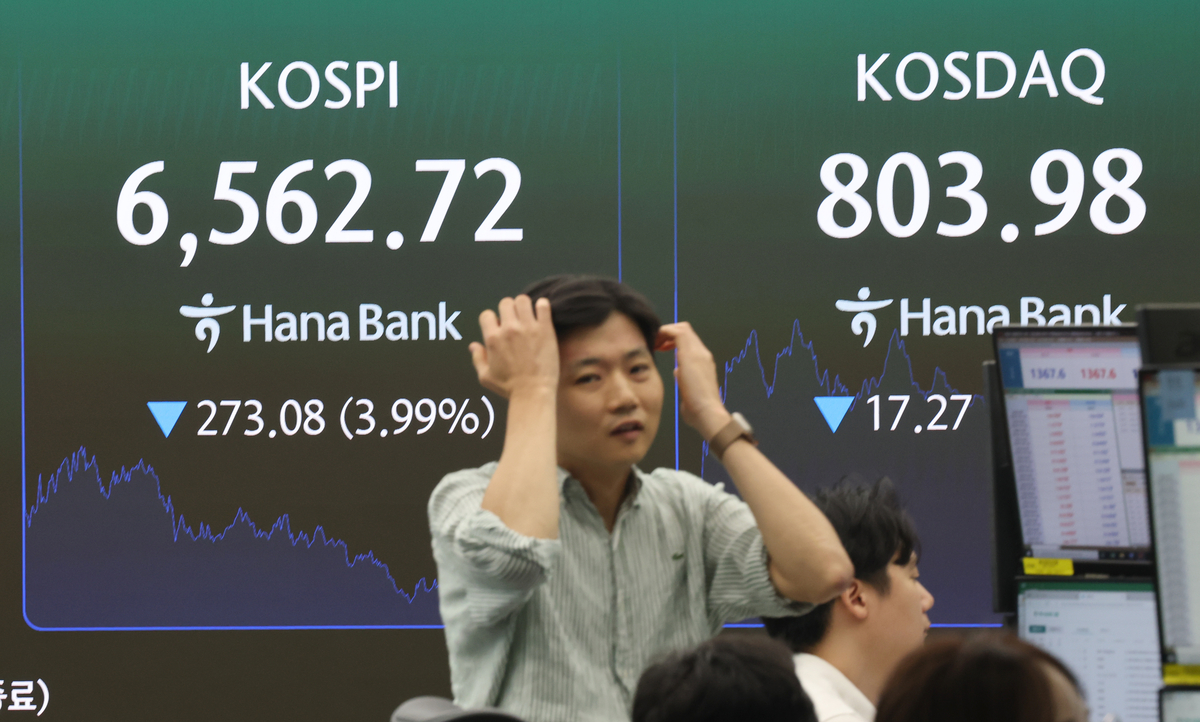
The KOSPI suffered a sharp 4% decline on September 2, closing at 6,562.72, as foreign and institutional selling overwhelmed corporate buyback efforts. This drop follows a volatile week where Samsung Electronics and SK hynix share buybacks briefly propped up the index above 6,800 on August 31, only for renewed global macro concerns to trigger a retreat. Foreign investors have continued their net-selling trend in the KOSPI, with September opening on a similar "sell" trajectory despite earlier stabilization attempts by major chipmakers.
Seoul Stocks: KOSPI and KOSDAQ Daily — 2026-09-02
Top developments
KOSPI Slides 4% to 6,562 on Sept 2
The benchmark KOSPI closed at 6,562.72 on September 2, marking a significant 3.99% decline from the previous session. Despite active buying from corporations engaged in share buybacks, heavy net selling by both foreign and institutional investors drove the index sharply lower. This move reverses the modest gains seen just days prior and signals renewed caution among large-scale investors amid rising international oil prices and government bond yields.
Corporate Buybacks Prop Up Index on Aug 31
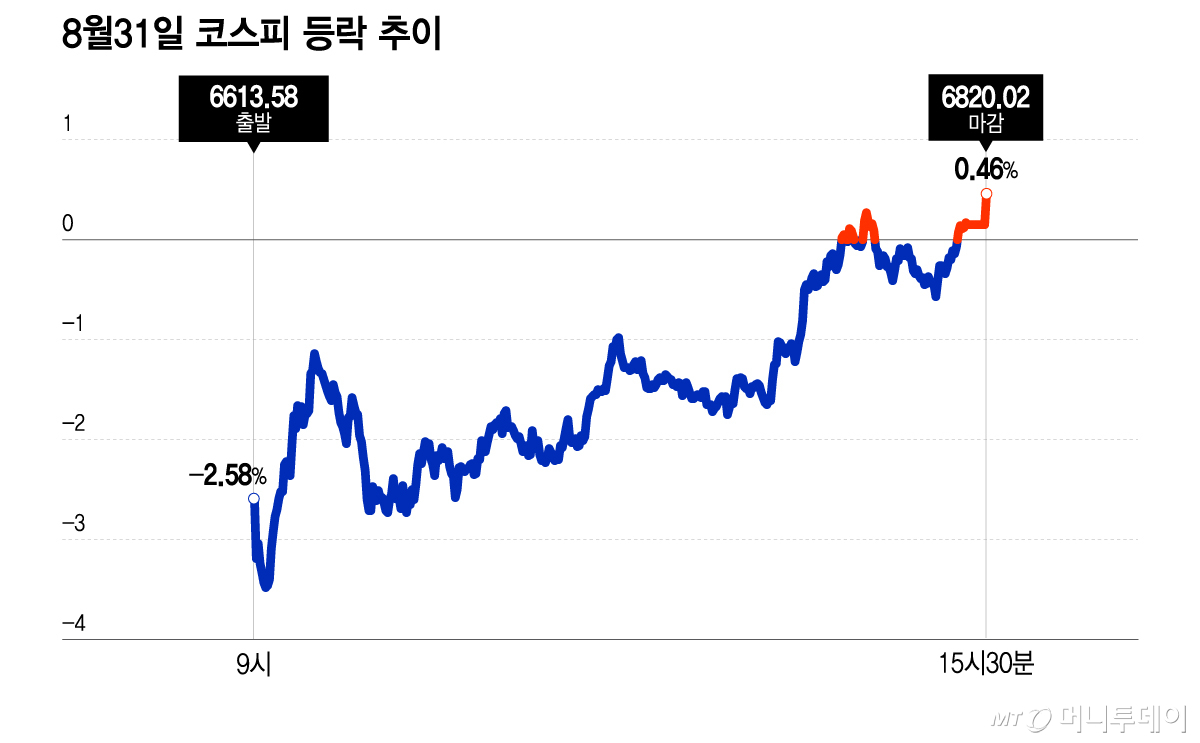
Prior to the September 2 drop, the market had shown resilience on August 31, with the KOSPI closing at 6,820.02, up 0.46%. This rebound was largely driven by share buybacks from Samsung Electronics and SK hynix, which helped offset heavy foreign selling. On that day, Samsung Electronics rose 1.17% to 260,000 won, while SK hynix gained 1.27% to 1,674,000 won, contributing approximately 37 points to the index's rise.
Foreign Investors Maintain Net Selling Stance
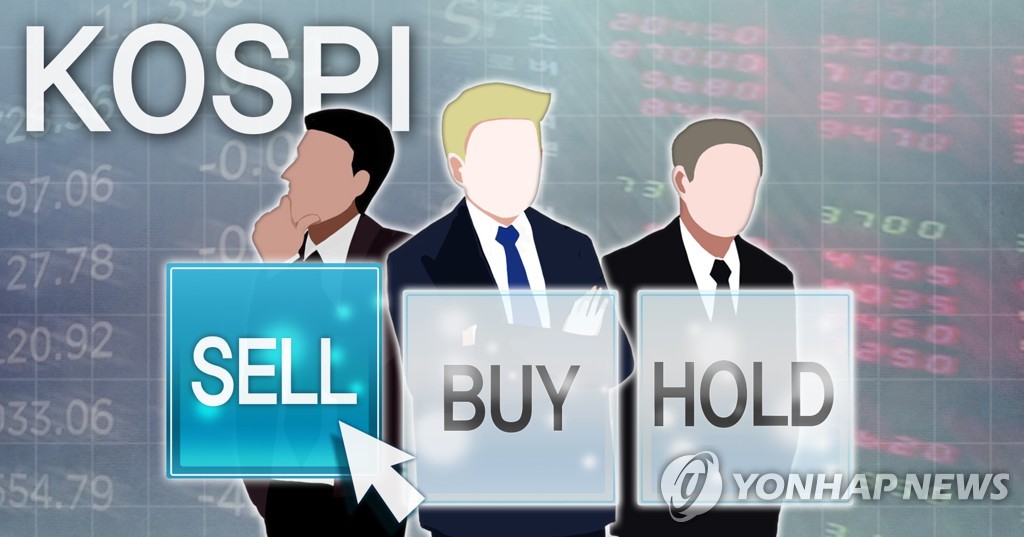
Foreign investors have struggled to return to net buying in the domestic equity market throughout 2026, with September continuing this trend of "selling." The persistent outflow from foreign funds remains a key headwind for the KOSPI, even as domestic retail cash levels have fallen below 100 trillion won due to market stagnation. On August 26, institutions were the primary buyers, net purchasing 710 billion won while individuals and foreigners sold, highlighting a shift in liquidity sources away from foreign capital.
Local view
Local financial media emphasize the disconnect between corporate shareholder returns and broader market sentiment. Seoul Economic Daily highlights that despite the "buyback-driven" support from tech giants, the overwhelming volume of institutional selling on September 2 suggests that fundamental macro concerns—specifically oil prices and bond yields—are currently outweighing corporate actions. The Korea Times notes that earlier in the week, corporate buying was sufficient to keep the KOSPI above the psychological 6,800 level, but this support has now crumbled under global pressure.
Context & numbers
- KOSPI Close (Sept 2): 6,562.72 (-3.99%)
- KOSPI Close (Aug 31): 6,820.02 (+0.46%)
- Samsung Electronics (Aug 31): Closed at 260,000 won (+1.17%)
- SK hynix (Aug 31): Closed at 1,674,000 won (+1.27%)
- Retail Cash: Fell below 100 trillion won as of late August
- Exchange Rate: The won-dollar rate was noted at 1,380.9 won in late August daytime trading
On the radar
- Fed Chair Comments: Investors are closely monitoring upcoming remarks from the Federal Reserve Chair for clues on interest rates, which directly impact foreign flows into Korean equities.
- U.S. Chip Sector Volatility: Recent tumbling of U.S. chip stocks due to rate-hike fears continues to drag on Samsung and SK hynix sentiment.
- Value-Up Programme: The Financial Services Commission continues to push for voluntary corporate value-up plans to address the "Korea discount," with recent guidelines emphasizing shareholder returns.
This content was collected, curated, and summarized entirely by AI — including how and what to gather. It may contain inaccuracies. Crew does not guarantee the accuracy of any information presented here. Always verify facts on your own before acting on them. Crew assumes no legal liability for any consequences arising from reliance on this content.
Powered by
