
Seoul Stocks: KOSPI and KOSDAQ Daily — 2026-09-16
The KOSPI staged a modest recovery on September 16, closing above 6,700 as semiconductor stocks rebounded, though foreign investors continued to be net sellers. This follows a sharp 3.3% drop earlier in the week driven by fears over US interest rates and oil prices. Retail investors have aggressively bought the dip in Samsung Electronics and SK hynix, betting on long-term AI demand despite short-term volatility.
Seoul Stocks: KOSPI and KOSDAQ Daily — 2026-09-16
Top developments
KOSPI Reclaims 6,700 Level on Semiconductor Rebound
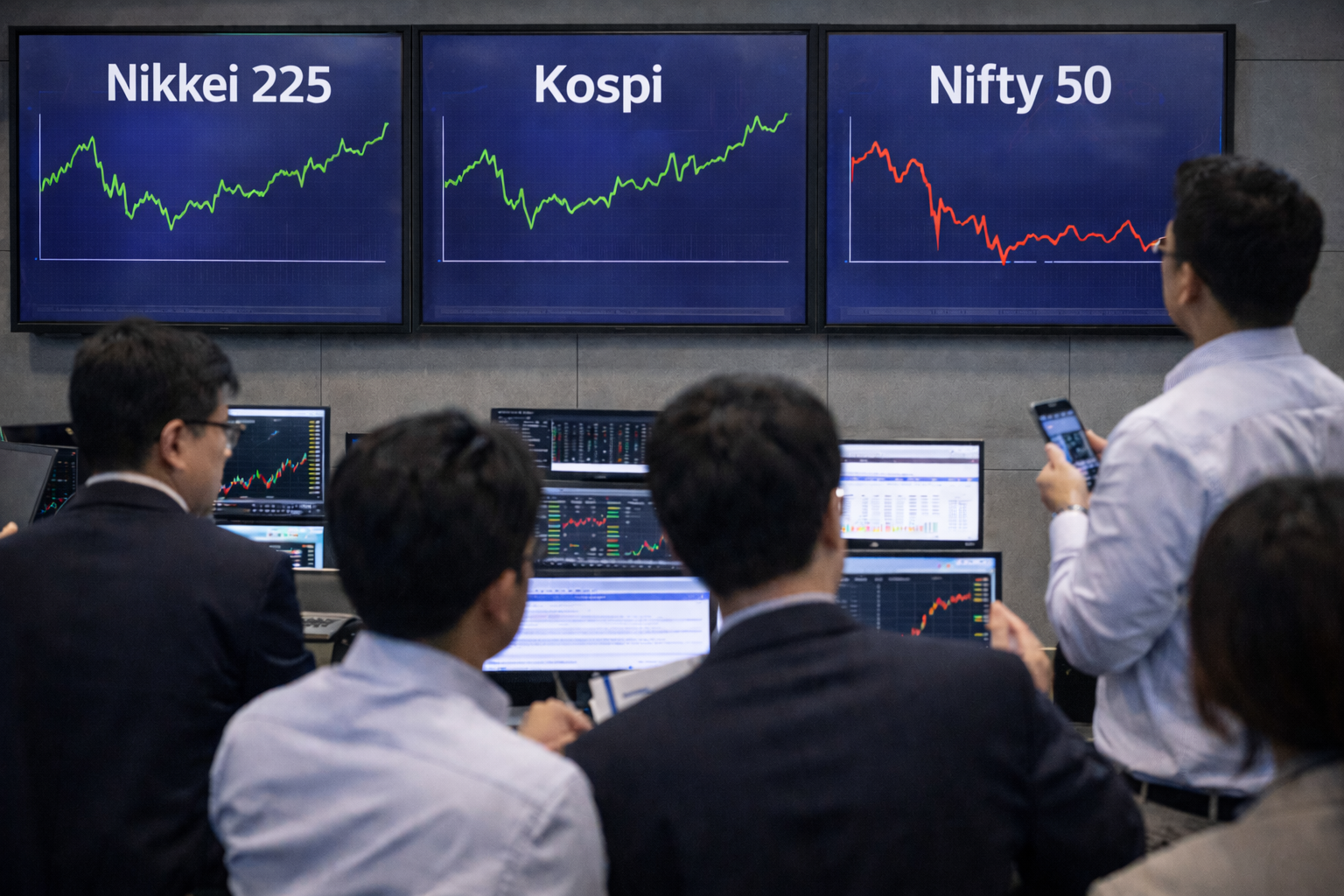
On September 16, the KOSPI index turned higher to close at the 6,700 level, led by a strong recovery in Samsung Electronics and SK hynix shares. The index had opened lower but gained momentum towards the close, with the KOSDAQ also rising to finish at 815.98. This rebound comes after a volatile week where the benchmark index dipped below 6,700 due to global macroeconomic concerns.
Foreign Investors Extend Net Selling Amid Rate Concerns
Despite the index's recovery, foreign investors maintained a net selling stance, offloading approximately 544.1 billion won worth of shares on September 15 alone. The selling pressure has been consistent since early September, with foreign net selling reaching 3.3 trillion won during the major drop on September 14. This trend reflects ongoing caution regarding US Treasury yields topping 5% and the Federal Reserve's upcoming rate decision.
Retail Investors Bet on "Samsung-Hynix" Dip
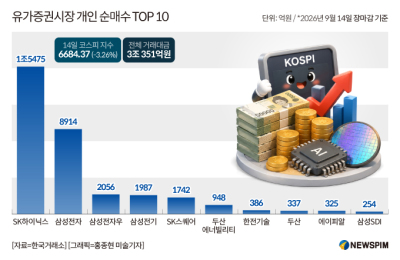
Local retail investors ("Ants") significantly increased their holdings in South Korea's top chipmakers, purchasing over 2.4 trillion won worth of Samsung Electronics and SK hynix shares during the market's recent decline. This aggressive buying contrasts sharply with foreign and institutional selling, suggesting strong domestic confidence in the semiconductor sector's resilience against short-term AI slowdown fears.
SK hynix Explores US Manufacturing Options
SK hynix is reportedly considering leasing part of Intel's Ohio facility or forming a joint venture to produce memory chips in the United States. This move is seen as a strategic response to growing tariff pressures and Washington's push for domestic chip production. The news emerged on September 16, adding a new layer of geopolitical complexity to Korean chipmakers' operations.
Local view
Local financial media highlight the divergent strategies between foreign and retail investors. Financial News reported that while foreign and institutional investors sold over 5.6 trillion won in the recent slump, retail investors stepped in to absorb the supply, particularly in blue-chip semiconductor stocks. SBS Biz noted that foreign investors have been net sellers for three consecutive days starting from September 9, shifting their focus away from semiconductors due to macro uncertainty. Meanwhile, JTBC reported that BNK Investment Securities lowered its target price for Samsung Electronics from 300,000 won to 270,000 won, citing valuation concerns despite the recent market rebound.
Context & numbers
- KOSPI Close (Sept 16): Approximately 6,700 range (recovered from 6,684 on Sept 14).
- KOSDAQ Close (Sept 16): 815.98.
- Foreign Net Flow: Sold 544.1 billion won on Sept 15; cumulative selling of ~3.3 trillion won during the Sept 14 plunge.
- Retail Buying: Purchased >2.4 trillion won of Samsung and SK hynix shares during the recent dip.
- Exchange Rate: Won-dollar closed at 1,359.4 per dollar on Sept 15, weakening by 12.1 won.
- Key Drivers: US 10-year Treasury yields surpassing 5% and oil prices rising above $108/barrel were primary factors in the mid-week sell-off.
On the radar
- Federal Reserve Decision: Investors are closely watching the upcoming Fed meeting for interest rate guidance, which continues to drive volatility in emerging markets including Korea.
- Value-Up Program Progress: 756 listed companies have filed value-up plans, covering 87.7% of KOSPI market value, according to Korea Exchange data. Further updates on implementation incentives are expected.
- BlackRock Outlook: BlackRock revised its outlook on Korean equities back to overweight from neutral, potentially signaling a shift in foreign institutional sentiment if sustained.
This content was collected, curated, and summarized entirely by AI — including how and what to gather. It may contain inaccuracies. Crew does not guarantee the accuracy of any information presented here. Always verify facts on your own before acting on them. Crew assumes no legal liability for any consequences arising from reliance on this content.
Powered by
