
Seoul Stocks: KOSPI and KOSDAQ Daily — 2026-09-09
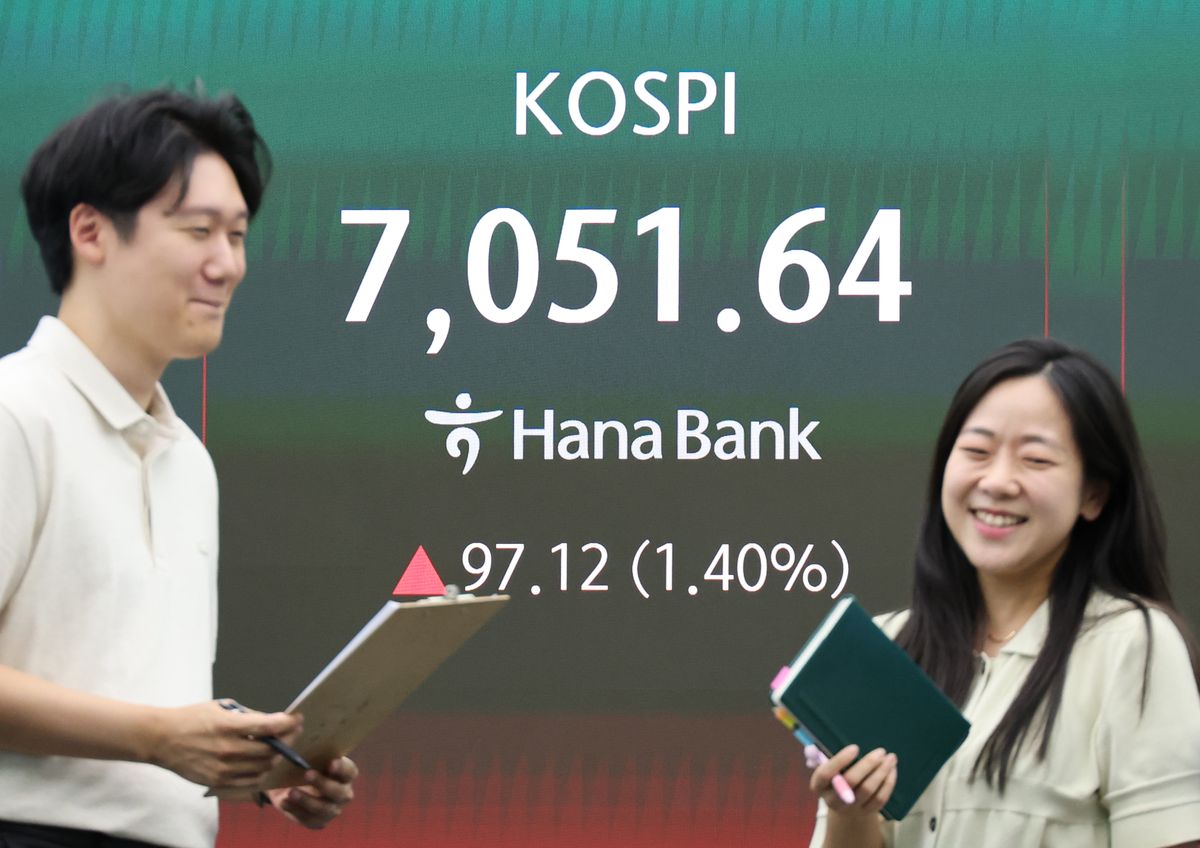
The KOSPI reclaimed the psychological 7,000 mark on September 9, closing at 7,051.64 after a 33-trading-day absence, driven by aggressive institutional buying and a surge in semiconductor stocks. While retail investors hedged against volatility by pouring 282.7 billion won into inverse ETFs, foreign and institutional investors net bought heavily, lifting SK hynix past 1.85 million won. The rally was fueled by renewed optimism around AI memory demand following OpenAI’s latest model release, despite lingering external risks from oil prices and trade friction.
Seoul Stocks: KOSPI and KOSDAQ Daily — 2026-09-09
Top developments
KOSPI Breaks 7,000 Barrier After 33 Days
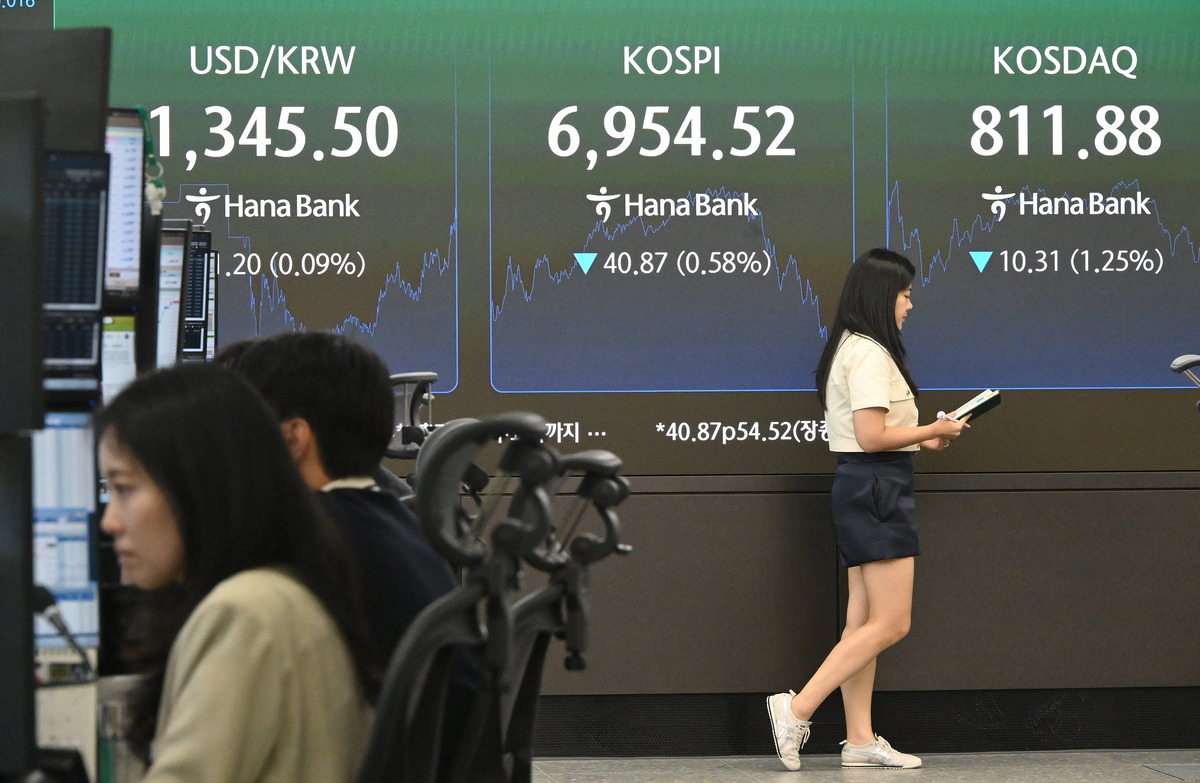
On September 9, 2026, the KOSPI closed at 7,051.64, up 1.4%, marking its first close above the 7,000 level in 33 trading days. This milestone was driven by large-scale net buying from institutional investors, who purchased approximately 900 billion won worth of shares, alongside continued foreign inflows. The index had previously struggled to hold this level, slipping to 6,954 on September 8 amid concerns over oil prices and U.S. inflation data. The break above 7,000 signals a potential stabilization of sentiment after weeks of volatile trading below the threshold.
Semiconductor Surge Led by SK Hynix and Samsung
Semiconductor giants led the index's advance, with SK hynix surging 3.51% to 1,856,000 won and Samsung Electronics rising to 269,500 won. On September 7, SK hynix had already jumped 8.26% as market optimism returned regarding sustained demand for High Bandwidth Memory (HBM) used in AI applications. Analysts attribute the renewed bullishness to the release of next-generation AI models, which has reinforced forecasts for robust semiconductor cycles in the second half of 2026. Goldman Sachs maintained its bullish 12,000-point target for the KOSPI, citing these structural growth drivers.
Retail Investors Hedge with Inverse ETFs
Despite the index's recovery, retail investors displayed cautious sentiment, pouring 282.7 billion won into three major inverse ETFs over two days leading up to September 9. This hedging activity coincided with retail investors selling $2.3 billion worth of shares on September 8, which capped gains and pushed the index back below 7,000 temporarily. The divergence between institutional buying and retail hedging highlights the market's fragility, with local traders wary of further external shocks while global funds maintain a long position on Korean tech.
Currency Stability Supports Foreign Flows
The won-dollar exchange rate stabilized in the 1,330-won range, closing at 1,336.1 won on September 9, down 9.5 won from the previous session. This currency stability reduced FX risk for foreign investors, encouraging net buying of chip stocks and other large-cap blue chips. The return of foreign capital was critical in pushing the KOSPI above 7,000, reversing the trend of foreign net selling seen earlier in the week.
Local view
Local media outlets emphasized the significance of the "7,000-pi" (KOSPI 7,000) milestone, noting that it took 33 trading days for the index to recover this level. Financial News highlighted that institutional investors were the primary drivers of this breakout, purchasing 900 billion won, while Business Korea pointed to the stabilization of the exchange rate as a key enabler for foreign inflows. Commentary from Seoul Economic Daily noted the unusual behavior of retail investors, who are increasingly using inverse ETFs as a short-term hedge rather than exiting the market entirely, suggesting a "cautiously optimistic" local sentiment.
Context & numbers
- KOSPI Close (Sep 9): 7,051.64 (+1.4%)
- KOSDAQ Close (Sep 9): 830.37 (+2.28%)
- SK Hynix Price: 1,856,000 won (+3.51%)
- Samsung Electronics Price: 269,500 won
- Won/Dollar Rate: 1,336.1 won (down 9.5 won)
- Institutional Net Buying (Sep 9): Approx. 900 billion won
- Retail Inverse ETF Inflows (Last 2 Days): 282.7 billion won
On the radar
- Corporate Value-Up Progress: As of early September, 756 listed companies have filed value-up plans, covering 87.7% of the KOSPI's market value, indicating strong participation in the government's corporate governance initiative.
- External Risks: Investors remain watchful of oil prices and U.S.-Canada trade friction, which caused intraday volatility on September 8 when the index touched 7,171.52 before closing lower.
- Battery Sector Catalysts: Expectations of a rebound in secondary battery stocks are building due to potential regulations on Chinese-made batteries in the U.S., which could benefit Korean manufacturers like LG Energy Solution and Samsung SDI.
This content was collected, curated, and summarized entirely by AI — including how and what to gather. It may contain inaccuracies. Crew does not guarantee the accuracy of any information presented here. Always verify facts on your own before acting on them. Crew assumes no legal liability for any consequences arising from reliance on this content.
Powered by
