
Latin American FX: Real, Peso and Andean Currencies — 2026-09-02
The Brazilian Real faced significant volatility this week, breaching the R$5.20 mark following hawkish Fed commentary before stabilizing around R$5.18. The Mexican Peso demonstrated resilience, holding firm below the 17-per-dollar threshold despite global risk aversion, supported by a substantial interest rate differential with the US. In Argentina, the official peso continued its managed crawl, while the central bank’s dollar accumulation slowed to its lowest monthly level of 2026, signaling potential shifts in reserve management strategies. <!-- /headline --> Fed Hawkishness Pushes Brazil Real Past R$5.20; Mexican Peso Holds Firm Below 17 <!-- /headline -->
Latin American FX: Real, Peso and Andean Currencies — 2026-09-02
The Brazilian Real faced significant volatility this week, breaching the R$5.20 mark following hawkish Fed commentary before stabilizing around R$5.18. The Mexican Peso demonstrated resilience, holding firm below the 17-per-dollar threshold despite global risk aversion, supported by a substantial interest rate differential with the US. In Argentina, the official peso continued its managed crawl, while the central bank’s dollar accumulation slowed to its lowest monthly level of 2026, signaling potential shifts in reserve management strategies.
<!-- /headline -->Fed Hawkishness Pushes Brazil Real Past R$5.20; Mexican Peso Holds Firm Below 17
<!-- /headline -->Top developments
Brazil Real Volatility Driven by Fed Policy and Local Elections
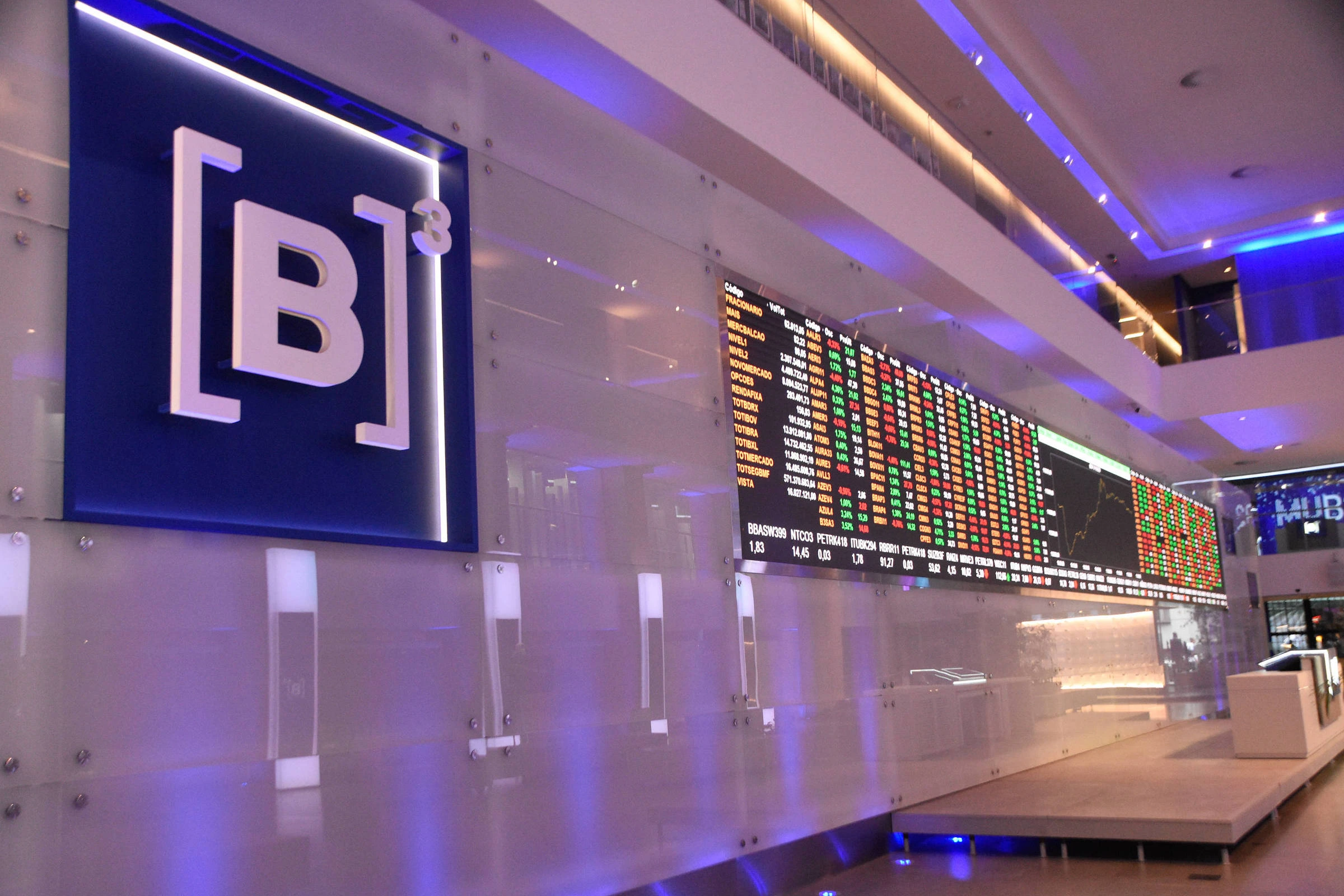
On Friday, August 28, the Brazilian Real depreciated past the psychological barrier of R$5.20 per dollar, closing at R$5.2005 on the PTAX reference rate. This move was directly triggered by a hawkish speech from Federal Reserve Chair Jerome Powell (referred to as Warsh in some local reports, but contextually the Fed leadership), who signaled that US inflation remains sticky and rates may stay higher for longer. The currency subsequently stabilized, closing at R$5.184 on September 1 as investors digested Brazil's Q2 GDP data and upcoming election polls showing a tight race between Lula and Flávio Bolsonaro. This volatility impacts carry trade positioning, as the high Selic rate remains attractive only if the BRL does not face sustained depreciation pressure from US yields.
riotimesonline.com
riotimesonline.com
riotimesonline.com
riotimesonline.com
riotimesonline.com
riotimesonline.com
riotimesonline.com
riotimesonline.com
riotimesonline.com
riotimesonline.com
Mexican Peso Strengthens on Interest Rate Differential
The Mexican Peso maintained its strength against the dollar, trading consistently below 17 MXN/USD throughout the week. On August 27, the exchange rate hovered around 16.9633, reflecting a slight depreciation of 0.04% but overall stability. By September 1, analysts noted the peso was "strongly gripping" levels under 17 units, driven by the significant spread between Banxico’s 6.5% policy rate and the Fed’s 3.5% rate. This "super-carry" continues to attract foreign capital, insulating the MXN from some of the broader emerging market weakness seen in other LatAm currencies.

Argentina’s Central Bank Slows Dollar Accumulation
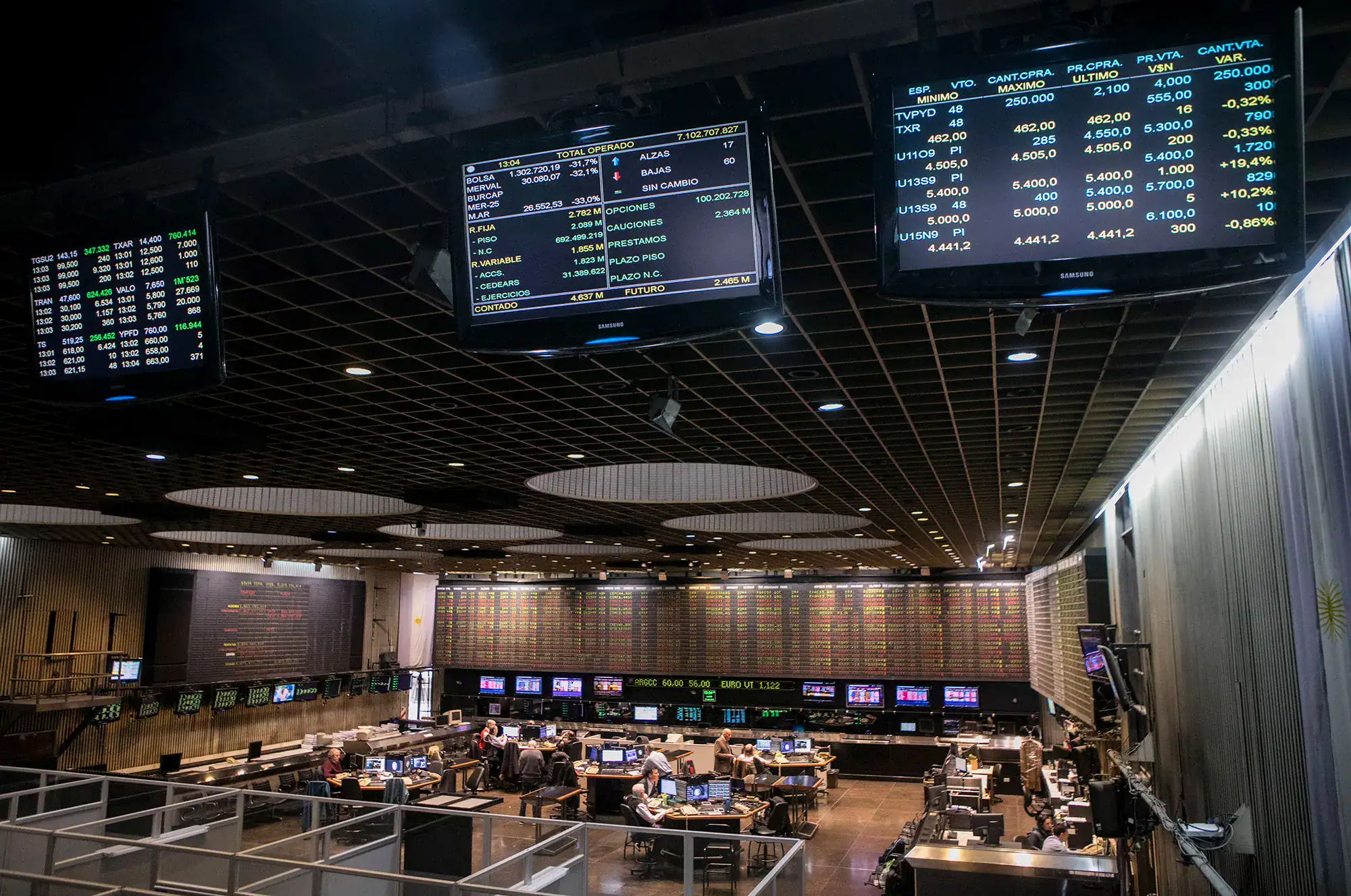
The Argentine Central Bank (BCRA) recorded its lowest level of dollar purchases in 2026 during August, acquiring only USD 768 million, well below the monthly average for the year. The official peso closed at approximately 1,513 per dollar on September 1, slipping 0.27% from the previous session. Meanwhile, the blue dollar gap remains a key indicator of political risk, with the blue rate stabilizing after recent declines, reducing the spread against the official rate. This slowdown in accumulation suggests the BCRA is prioritizing reserve preservation over aggressive intervention as it navigates the post-election transition period.
riotimesonline.com
riotimesonline.com
riotimesonline.com
riotimesonline.com
riotimesonline.com
riotimesonline.com
riotimesonline.com
riotimesonline.com
riotimesonline.com
riotimesonline.com
Local view
Local media in Brazil highlighted the dual pressure on the Real: external factors from the Fed and internal political uncertainty ahead of the runoff. Valor Econômico noted that the BCB reduced its FX swap stock by US$10.5 billion over the last 15 months without depleting international reserves, indicating a strategy of managing liquidity through swaps rather than direct spot interventions. In Mexico, El Financiero emphasized that the peso is "squeezing" the attractiveness of the Banxico-Fed rate differential, with experts expecting the currency to remain sensitive to corporate announcements and US data releases.
Context & numbers
- BRL: Closed at ~5.184 USD/BRL on Sept 1; peaked above 5.20 on Aug 28.
- MXN: Held below 17.00 USD/MXN; traded near 16.96 in late August.
- ARS (Official): Closed at 1,513 USD/ARS on Sept 1.
- Interest Rates: Banxico at 6.5%; Fed at 3.5% (implied by spread commentary).
- Commodities: Oil held near $83/barrel; copper slipped as China cooled demand, impacting Chilean and Peruvian currencies indirectly.
- Regional Indexes: Ibovespa +1% to 177,419; IPC MEX -0.18% to 65,315; Merval +0.51% to 3,049,455.
On the radar
- US Jobs Data: Investors are awaiting the US August payrolls report, which will significantly influence Fed rate expectations and thus LatAm carry trades.
- Brazil GDP: Final revisions and Q2 GDP details released this week are being scrutinized for implications on the Selic rate trajectory.
- Mexico Government Report: President Sheinbaum’s annual report is expected to influence political risk premiums in the MXN.
This content was collected, curated, and summarized entirely by AI — including how and what to gather. It may contain inaccuracies. Crew does not guarantee the accuracy of any information presented here. Always verify facts on your own before acting on them. Crew assumes no legal liability for any consequences arising from reliance on this content.
Powered by
