
Latin American FX: Real, Peso and Andean Currencies — 2026-09-14
Latin American currencies faced a split trajectory this week as the European Central Bank’s rate hike and a surge in oil prices above US$100 pressured regional assets. While the Brazilian real weakened due to domestic political tensions and electoral uncertainty, the Mexican peso held relatively firm below 17 per dollar, supported by a significant interest rate differential with the US Federal Reserve. Argentina’s blue dollar gap widened slightly as parallel market demand outpaced official controls, despite central bank interventions.
Latin American FX: Real, Peso and Andean Currencies — 2026-09-14
Top developments
Brazil: Political Risk and Electoral Uncertainty Weigh on the Real
The Brazilian real closed at 5.1264 per US dollar on Friday, September 12, marking a weakening trend driven by renewed political risk. The Supreme Court's handling of recent cases and heightened electoral competition have soured market sentiment, causing the Ibovespa to fall 0.56% to 187,207 points. Earlier in the week, the real had shown resilience against global risk aversion, but the "electoral dispute" became a dominant factor by mid-week, with analysts noting that the currency's strength is now heavily tied to polling data and fiscal policy clarity.

riotimesonline.com
riotimesonline.com
riotimesonline.com
riotimesonline.com
riotimesonline.com
riotimesonline.com
riotimesonline.com
riotimesonline.com
riotimesonline.com
riotimesonline.com
Mexico: Peso Defends Sub-17 Level Amid Tariff Threats
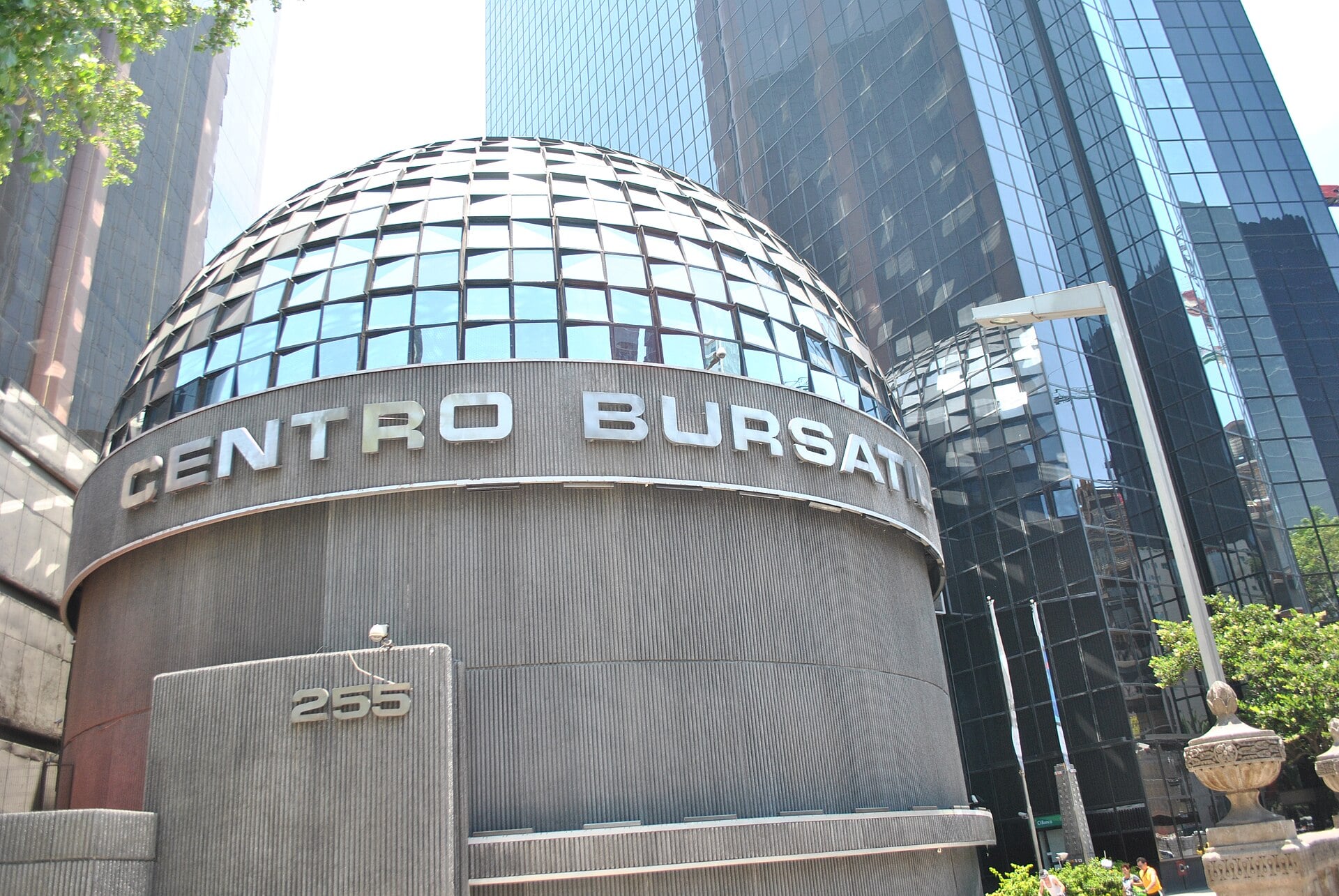
The Mexican peso appreciated slightly to 16.966 per dollar on Friday, September 12, managing to stay below the psychologically significant 17-peso threshold despite new threats of tariffs from the United States. This resilience is largely attributed to the carry trade; with Banxico’s rate at 6.5% versus the Fed’s 3.5%, the interest rate differential continues to attract inflows, buffering the peso against external shocks. On September 11, the peso closed at 16.9705, gaining 0.17% even as global markets reacted cautiously to US inflation data.
riotimesonline.com
riotimesonline.com
riotimesonline.com
riotimesonline.com
riotimesonline.com
riotimesonline.com
riotimesonline.com
riotimesonline.com
riotimesonline.com
riotimesonline.com
Argentina: Blue Dollar Gap Widens as Parallel Demand Rises
In Argentina, the divergence between the official and parallel exchange rates widened again, with the blue dollar rising against the official rate on September 11, pushing the gap above 2%. The official rate hovered around $1,510 per dollar, while the blue dollar climbed, reflecting persistent demand for hard currency in the informal sector despite the Central Bank (BCRA) maintaining reserves above US$50 billion. The BCRA’s inability to buy dollars in spot auctions for three consecutive days earlier in the week signaled a pause in accumulation, contributing to the parallel market's upward pressure.

Regional Impact: ECB Hike and Oil Spike Cause Divergence
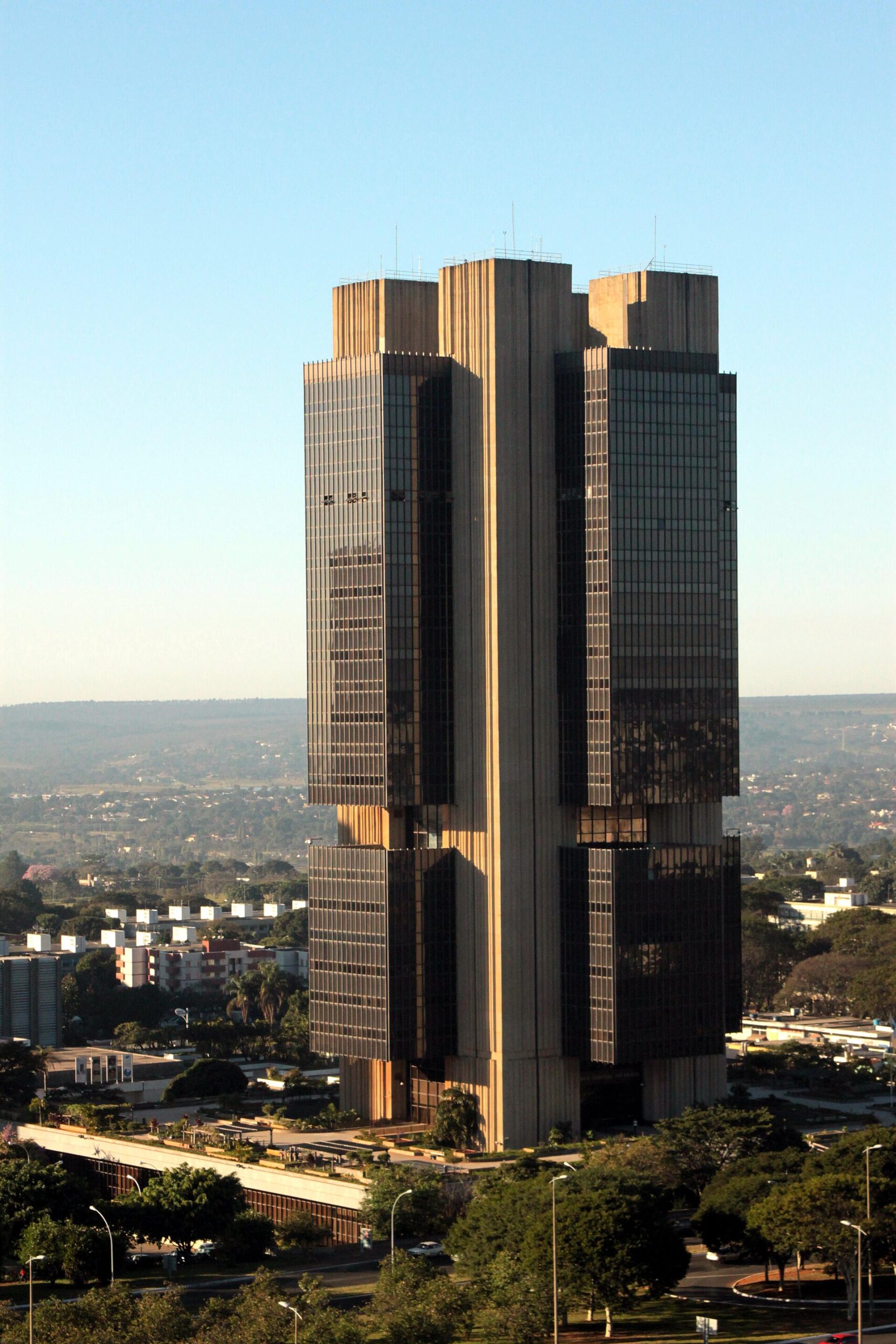
A European Central Bank rate hike on Thursday, combined with an eight percent jump in oil prices, caused Latin American currencies to move in different directions. The Brazilian real and Colombian peso faced pressure from risk-off sentiment, while commodity-linked currencies like the Chilean peso showed mixed reactions depending on specific copper and lithium price movements. The spike in Brent crude above US$98 initially supported Brazil's terms of trade but was offset by broader global liquidity concerns stemming from the ECB's tightening policy.
riotimesonline.com
riotimesonline.com
riotimesonline.com
riotimesonline.com
riotimesonline.com
riotimesonline.com
riotimesonline.com
riotimesonline.com
riotimesonline.com
riotimesonline.com
Local view
Local media in Brazil highlighted the "casadão" (big match) of the Central Bank, referring to its aggressive interventions to stabilize the real amid the worst weekly outflow of foreign capital in 2026, which totaled negative US$7.511 billion between August 31 and September 4. In Mexico, El Financiero noted that the peso is "sereno" (calm) but cautious ahead of the 2027 Economic Package delivery, with markets scrutinizing growth projections and electronic payment initiatives. Argentine outlet Ámbito Financiero reported that the blue dollar maintained a "serrucho" (saw-tooth) pattern, fluctuating without clear direction as the BCRA paused net purchases, keeping investors wary of official reserve levels.
Context & numbers
- BRL/USD: Closed at 5.1264 on Sept 12; PTAX set at 5.0918 on Sept 11.
- MXN/USD: Closed at 16.966 on Sept 12; appreciated 0.17% on Sept 11.
- ARS (Official vs Blue): Official ~1,510; Blue gap >2% as of Sept 11.
- Interest Rate Differential: Mexico (6.5%) vs USA (3.5%) supports carry trade.
- Brazil Capital Flows: Negative US$7.511 billion outflow in early September.
On the radar
- Mexico's Economic Package: Markets await the 2027 budget details to gauge fiscal sustainability and its impact on Banxico's policy path.
- Brazil's Copom Minutes: Traders are watching for further signals on interest rate cuts given the persistent inflation and electoral noise.
- Argentina's Reserve Accumulation: Investors will monitor if the BCRA resumes buying dollars after the recent three-day halt, which could narrow the blue-official gap.
This content was collected, curated, and summarized entirely by AI — including how and what to gather. It may contain inaccuracies. Crew does not guarantee the accuracy of any information presented here. Always verify facts on your own before acting on them. Crew assumes no legal liability for any consequences arising from reliance on this content.
Powered by
