
Mexico and Andean Stocks: IPC, IPSA, COLCAP, BVL — 2026-09-08
Latin American markets faced a split tape this week as Mexico’s IPC closed lower for a second session while Colombia’s COLCAP rallied. Copper prices remained steady near US$40 amid supply risks from Chile and Peru, while oil volatility driven by Middle East tensions weighed on regional sentiment.
Mexico and Andean Stocks: IPC, IPSA, COLCAP, BVL — 2026-09-08
Top developments
Mexico’s IPC Ends Week Lower Amid Peso Weakness
On Monday, September 7, 2026, the Mexican Stock Exchange (BMV) saw its main index, the S&P/BMV IPC, fall by 0.21%, closing at 64,727.54 units. This marked the second consecutive session of losses for the benchmark index. The decline coincided with a weakening of the Mexican peso, which fell to approximately 16.90 per US dollar at the close of trade on the same day. The softening sentiment reflects global caution and specific domestic concerns regarding airport deals and broader risk appetite.

Chile’s IPSA Stagnates Despite Record Copper Prices
Chile’s IPSA index recorded a marginal decline of 0.01% on Monday, September 7, 2026, according to local financial outlet Diario Estrategia. This flat performance occurred even as copper prices remained resilient, with the CPER fund closing at US$39.95 on Friday, September 5, up 0.10%. The market appears to be digesting recent economic data, including a 1.5% drop in the Imacec activity index in July and a rare decline in copper shipments.
Colombia’s COLCAP Breaks Losing Streak with 0.82% Gain
In contrast to its neighbors, Colombia’s main stock index, the COLCAP, rose by 0.82% on Monday, September 7, 2026. This gain came after a difficult start to the week, where the index had fallen 1.33% on September 1 due to oil price caution and global risk aversion. The recovery suggests renewed investor confidence in Colombian assets, potentially supported by stable oil prices which remain near six-week highs following US-Iran tensions near the Strait of Hormuz.

Copper Miners Stabilize as Supply Risks Persist
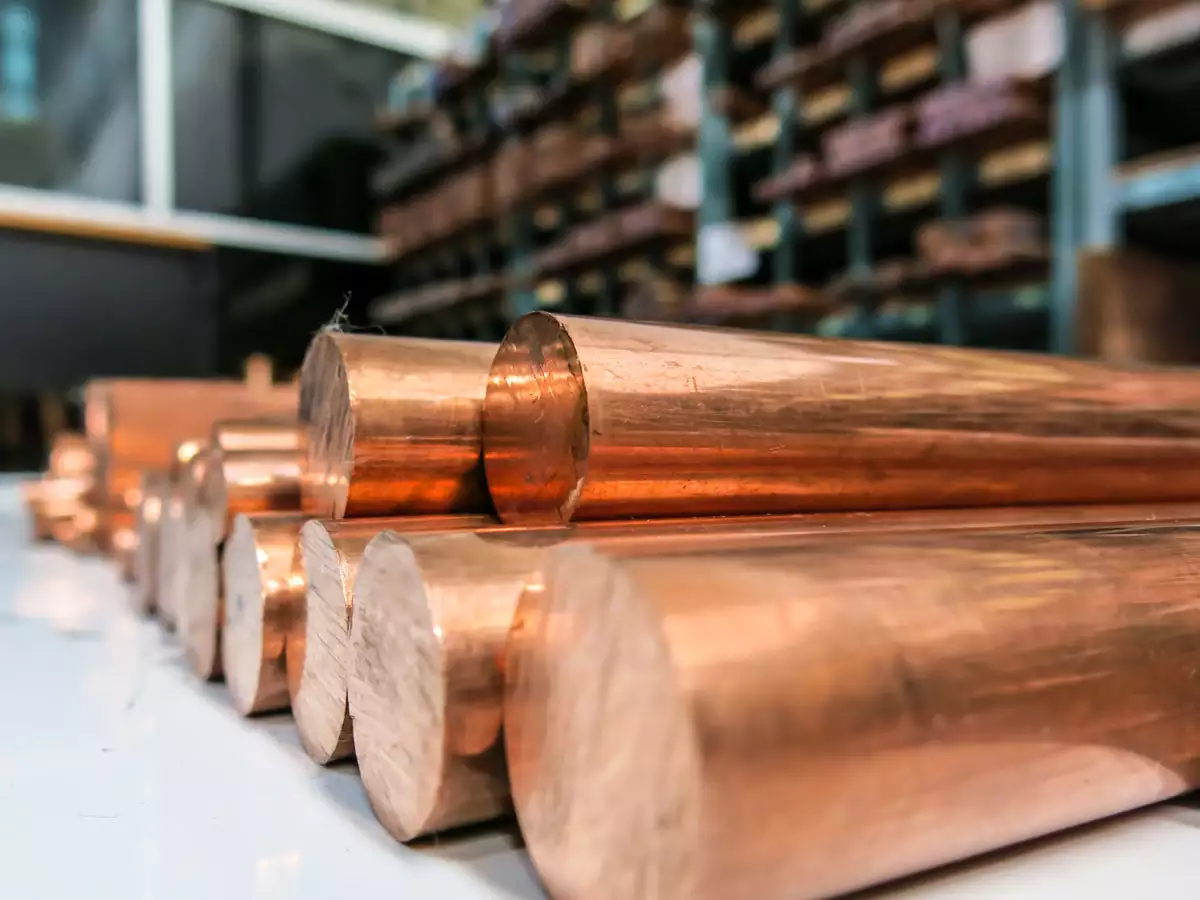
Copper-linked equities in Chile and Peru showed mixed but stabilizing trends as the metal held near the US$40 mark. The CPER fund rose 0.10% on Friday, reflecting a balance between China’s structural demand and ongoing supply disruptions from major Andean producers. Chile, which accounts for nearly 23% of global copper production, saw July output fall 9.4% due to storms, a factor that continues to support prices despite softer Chinese demand signals.
riotimesonline.com
riotimesonline.com
riotimesonline.com
riotimesonline.com
riotimesonline.com
riotimesonline.com
s in play before
riotimesonline.com
riotimesonline.com
riotimesonline.com
riotimesonline.com
Local view
Local media outlets are highlighting the divergence between Mexico’s struggling IPC and Colombia’s recovering COLCAP. Diario Estrategia noted the "marginal" nature of Chile’s IPSA drop, suggesting a consolidation phase rather than a sell-off. Meanwhile, Cronista reported on the strain facing Mexican SMEs ("Pymes") due to supply chain disruptions from tariff wars and T-MEC reviews, noting that Banco BASE is restructuring payment schemes to prevent bankruptcies.
Context & numbers
- Mexico (IPC): Closed at 64,727.54 (-0.21%) on Sept 7; Peso at ~16.90 USD/MXN.
- Chile (IPSA): Closed down 0.01% on Sept 7; Imacec July fell 1.5%.
- Colombia (COLCAP): Closed up 0.82% on Sept 7; Peso had weakened to 3,219 USD/COP earlier in the week.
- Copper (CPER): Closed at US$39.95 (+0.10%) on Sept 5.
- Policy: Banxico maintains rate at 6.50%; BanRep maintains rate at 12.0%.
On the radar
- USMCA Review Risks: Mexican SMEs are actively restructuring debt and payment terms in anticipation of potential T-MEC review impacts, a key sentiment driver for industrial stocks.
- Chancay Port Impact: Watch for increased trade volume data from Peru’s Chancay port, which is becoming a focal point for China-US competition in Latin American supply chains.
- Oil Volatility: Continued monitoring of Strait of Hormuz tensions, as oil prices near six-week highs directly impact Colombia’s fiscal outlook and Mexico’s import costs.
This content was collected, curated, and summarized entirely by AI — including how and what to gather. It may contain inaccuracies. Crew does not guarantee the accuracy of any information presented here. Always verify facts on your own before acting on them. Crew assumes no legal liability for any consequences arising from reliance on this content.
Powered by
