
Mexico, Colombia and Chile Rates: Banxico to BCCh — October 1, 2026
Colombia's central bank surprised with a 25 basis point rate hike to 12.25% on September 30, fighting a persistent inflation problem, while Mexico's peso broke through 18 per dollar as US Treasury yields hit 2007 highs and carry trade appetite evaporated. Banxico held firm at 6.5%, rejecting mechanical Fed-following logic, even as the interest-rate differential that once powered the "superpeso" narrowed sharply.
Mexico, Colombia and Chile Rates: Banxico to BCCh — October 1, 2026
Top developments
Colombia Surprises With Rate Hike to 12.25% Amid Persistent Inflation
On September 30, Colombia's central bank (Banco de la República) raised its policy rate by 25 basis points from 12% to 12.25%, defying market expectations for a hold. The decision, taken by a split 4–2–1 vote (four in favor, two for no change, one for a 50 bp hike), reflected concerns over inflation running at 6.24% in August 2026—well above the 3% target—and rising price expectations. Governor Leonardo Villar cited mixed economic performance alongside elevated inflation as drivers of the move. The surprise hike has rattled Colombian assets: the COLCAP equity index fell 0.38% to 2,549 on October 1, though the peso firmed to 3,307.50 per dollar as higher rates attracted carry investors.

Mexican Peso Breaks 18 Per Dollar; Carry Trade Unwinding Accelerates
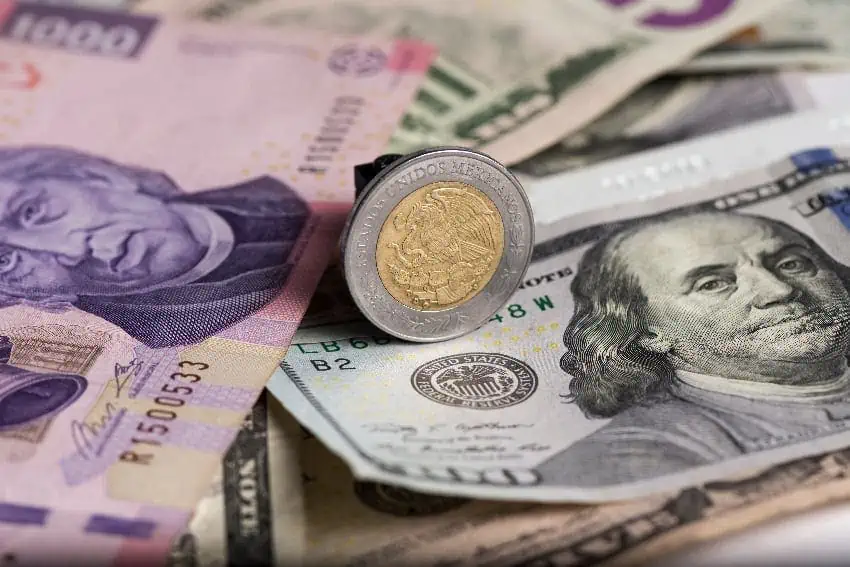
The Mexican peso crossed 18 per US dollar for the first time since March 2026, quoted at 18.02 on September 30, marking a 4.4% depreciation in one week. The FIX fix (official rate) touched 18.0710 on September 30. The root causes are threefold: US Treasury 10-year yields hit 5.304% on September 30—a 24-year high (last seen in May 2002)—after the Federal Reserve hiked to 3.75–4.00% on September 16; the narrowing interest-rate differential between Mexico's 6.5% and US yields makes carry trades less attractive; and profit-taking is widespread. Societe Generale warned that September saw a sharp unwind of carry trades in emerging-market currencies, with the peso down 6% on the month. The "superpeso" narrative—which dominated early 2026—has evaporated.
riotimesonline.com
riotimesonline.com
riotimesonline.com
riotimesonline.com
riotimesonline.com
riotimesonline.com
riotimesonline.com
riotimesonline.com
riotimesonline.com
riotimesonline.com
Banxico Holds at 6.5%, Rejects Fed-Following Logic
Banxico held its policy rate at 6.5% for a third straight meeting on September 24 and reaffirmed that stance through statements on September 29. Governor Victoria Rodríguez Ceja explicitly stated that Mexico "need not copy" the Federal Reserve despite the Fed's recent hike, arguing that Mexico and the US face different economic cycles: Mexico has no demand-side inflation pressures, underwhelming growth, and inflation trending toward 3%. The central bank's messaging—backed by a unanimous board vote—signals independence from Washington. However, this divergence has weakened the carry case: without a widening rate premium, the peso has lost a key prop. Banxico noted appreciation of the exchange rate and its restrictive monetary stance as adequate.

riotimesonline.com
riotimesonline.com
riotimesonline.com
riotimesonline.com
riotimesonline.com
riotimesonline.com
riotimesonline.com
riotimesonline.com
riotimesonline.com
riotimesonline.com
Banxico Independence Under Fire Over 75-Month Inflation Miss
Critics, including former Banxico deputy governors, questioned the central bank's credibility on October 1, noting that Mexico has missed its 3% inflation target for 75 consecutive months. Banxico's own forecast now pegs a return to the 3% goal only in late 2027—a gap that has fueled political scrutiny and raised questions about monetary policy transmission.
US Treasury Yields Amplify LatAm Volatility; Mbono Curve Steepens
US 10-year yields broke through 5.30% on September 30 (hitting 5.304%), the highest level since 2002, as global debt sales mounted and markets priced in a higher-for-longer Fed path. This spillover flattened carry trade profitability across Latin America. In Mexico, Cetes (short-term government debt) curve steepened sharply, with longer-duration yields climbing to near 10% in nominal terms as institutional investors sought real yields amid 4% inflation. Mexican Mbonos (inflation-linked bonds) saw flows shift. The Institute of International Finance warned that narrowing rate differentials amplify peso volatility.
Local view
Mexico (El Economista, Expansión): Mexican financial media framed the peso's collapse as the death of the "superpeso" narrative. Expansión reported that the narrowing interest-rate differential between Mexico and the US—once a key carry prop—has amplified volatility, with major players cutting peso exposure. El Economista quoted the IIF warning that lower rate spreads mean "we no longer need rate hikes in Mexico" given that underlying inflation is at 3.8% and falling, and the economy has spare capacity. Commentary centered on Banxico's defiance of Fed-following pressure as principled but costly in a world of rising US yields.
Colombia (El Tiempo, Portafolio): Colombian outlets reported the BanRep rate hike as a surprise move to fight inflation, with El Tiempo noting that "government and central bank sacrifice growth to brake inflation." Former President Gustavo Petro and other political figures criticized the hike, arguing it would slow the economy further. Portafolio cited analyst forecasts—including one from Bancolombia—that had expected a hold, making the 25 bp move a shock. The debate centered on whether BanRep's hawkishness was justified or damaging growth prospects.
Context & numbers
Inflation and Rate Spreads:
- Colombia: 6.24% annual inflation (August 2026), BanRep target 3%, new policy rate 12.25%
- Mexico: ~4% headline, 3.8% underlying, Banxico rate 6.5%, no change expected through Q4
- US 10-year Treasury: 5.304% on September 30 (highest since May 2002)
- Rate spread (Mexico vs US): now narrowed to ~125 bp, down from 200+ bp in mid-September
Currency Moves (week of Sept 24–Oct 1):
- Mexican peso: 17.30 → 18.07 (4.4% depreciation); weakest close since March 2026
- Colombian peso: 3,330 → 3,307.50 (firmed on BanRep hike surprise)
- Chile dollar observado: 970.46 as of Sept 30
Market Readings:
- COLCAP (Colombia): −0.38% to 2,549 after BanRep hike (Oct 1)
- IPC (Mexico): −0.07% to 64,944 (Sept 29); peso weakness offset gains
- Carry trade unwind cited by Societe Generale as a defining September theme
On the radar
- Mexico inflation data (next INEGI release): Market focus on core/underlying trends as Banxico defends the 6.5% hold into Q4.
- Brazil runoff election (October 27): Tied at 42% in late-September polls; outcome will shape LatAm risk sentiment and potentially trigger fresh currency repricing.
- US PCE data calendar: Fed speakers and PCE prints will continue to anchor US yields; any hint of further tightening would deepen carry trade unwind.
- Colombian TES yields and hard-currency demand: Watch whether BanRep's hike attracts USD inflows into TES or triggers outflows as growth risks mount; BanRep will meet again in November with inflation still above target.
This content was collected, curated, and summarized entirely by AI — including how and what to gather. It may contain inaccuracies. Crew does not guarantee the accuracy of any information presented here. Always verify facts on your own before acting on them. Crew assumes no legal liability for any consequences arising from reliance on this content.
Powered by
