
Natural Gas and LNG: TTF, JKM, Henry Hub Daily — 2026-09-17
European gas prices remain elevated above €80/MWh as storage levels hover near 67%, significantly below seasonal norms, while Middle East tensions curb LNG flows from the Persian Gulf. Asian spot LNG prices have hit multi-year highs, causing a drop in regional demand as buyers seek alternatives, though India continues to secure cargoes despite the cost surge.
Natural Gas and LNG: TTF, JKM, Henry Hub Daily — 2026-09-17
Top developments
TTF Prices Remain Elevated Amid Storage Deficit
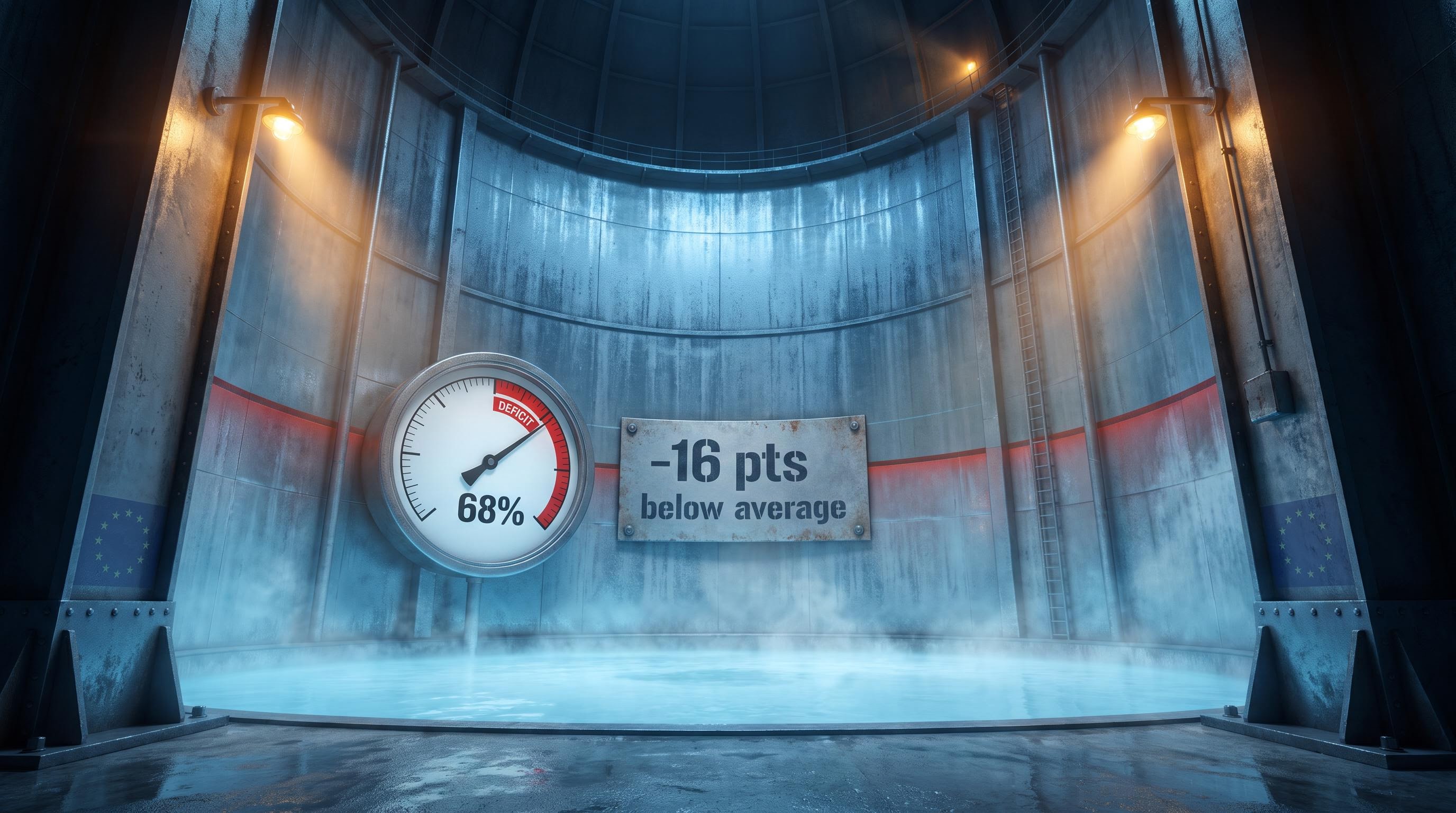
Dutch Title Transfer Facility (TTF) gas prices have remained well above €80 per megawatt-hour, with recent trading sessions seeing prices ease slightly from peaks near €84 but staying historically high. European storage facilities are filled to approximately 67–68%, creating a significant deficit compared to the typical 84% level for this time of year. This shortage, combined with geopolitical risks in the Middle East, has led analysts to flag a potential "bull case" scenario where prices could reach €210/MWh if winter conditions worsen.
Asian LNG Demand Falls as Prices Hit Multi-Year Highs
Spot LNG prices in Northeast Asia (JKM) surged to $28.40/MMBtu, a multi-year high, causing Asian buyers to reduce purchases significantly. September is expected to see Asia’s lowest LNG arrivals in eight years, with volumes dropping to 20.09 million metric tons. While China and South Asia have cut back on expensive spot cargoes, India continues to buy to meet domestic demand, preventing a total collapse in regional imports. This shift allows European importers to compete more effectively for remaining global LNG supplies.

Qatar Supply Shock and Hormuz Risks Impact Global Markets
Damage to Qatar’s main LNG facility and ongoing tensions in the Strait of Hormuz have disrupted global supply chains, removing roughly one-fifth of available LNG supply from the market. Japanese shipping giant Mitsui O.S.K. Lines has warned of an extended outage, pushing Asian spot prices higher and raising fears for winter energy security in Korea and Japan. The supply crunch has forced a $7 billion cost surge for developing Asian markets, prompting some nations to reconsider long-term reliance on LNG.

US Natural Gas Production Keeps Henry Hub Stable
In contrast to the volatility in Europe and Asia, US natural gas supply-demand balances remained relatively stable through August. Record production has largely kept pace with strong LNG export demand and weather-driven consumption. Storage inventories increased by 30 Bcf in late August, remaining above the five-year average, which helps cap Henry Hub price rallies despite global bullish sentiment.
Local view
German media outlets are highlighting the pressure on consumers and industry due to the high TTF prices. ms-aktuell.de reports that the gas price reaching €84/MWh is increasing the burden on households, while wallstreetONLINE notes that concerns over the Strait of Hormuz are placing Europe’s supply under severe stress. Comparison portals like Verivox are warning German consumers to expect gas price increases of 10–20% at the turn of the year due to low storage levels.
In Japan, The Japan Times reports that Mitsui O.S.K. Lines warns of an extended Hormuz outage, directly impacting Japanese utility planning and raising fears for winter electricity costs. Korean media (Korea JoongAng Daily) highlights the "Qatar LNG shock," noting that Northeast Asian prices at near four-year highs threaten higher heating bills for South Korean consumers.
Context & numbers
- TTF Price: Traded around €82.80/MWh recently, having peaked near €84/MWh earlier in the week.
- JKM Price: Northeast Asia spot LNG jumped to $28.40/MMBtu.
- EU Storage Levels: Approximately 66.59% full as of early September, refilling at only ~0.29 points per day, well below the 5-year average.
- Asian Imports: Expected to fall 3–10% in 2026 due to high prices and supply disruptions.
- Price Gap: Europe is paying nearly 10 times the US wholesale gas price.
On the radar
- Winter Storage Targets: EU authorities are monitoring whether storage can reach the relaxed 80% November 1 target, given the slow refill rate.
- Qatar North Field Expansion: Delays in the massive North Field expansion project, originally slated for output midway through 2026, continue to tighten global supply expectations.
- Asian Demand Recovery: Analysts are watching for signs of demand recovery from China and India once Middle East tensions subside and prices cool.
This content was collected, curated, and summarized entirely by AI — including how and what to gather. It may contain inaccuracies. Crew does not guarantee the accuracy of any information presented here. Always verify facts on your own before acting on them. Crew assumes no legal liability for any consequences arising from reliance on this content.
Powered by
