
Natural Gas and LNG: TTF, JKM, Henry Hub Daily — 2026-09-08
European gas prices hit a three-year high as traders race to fill storage facilities ahead of winter, driven by disrupted LNG flows from the Strait of Hormuz and low inventory levels. Asian spot LNG prices surged to their highest levels since 2022, forcing price-sensitive buyers in India and Pakistan to compete aggressively for cargoes. Meanwhile, U.S. natural gas futures approached the $3.00/MMBtu mark, supported by record production, strong LNG exports, and lingering summer heat in the Southern Plains.
Natural Gas and LNG: TTF, JKM, Henry Hub Daily — 2026-09-08
Top developments
European Gas Prices Hit Three-Year High on Storage Race
European natural gas prices reached a fresh three-year high on September 8, 2026, as market participants rushed to replenish fuel storage facilities before the heating season. The surge is primarily attributed to snarled LNG traffic through the Strait of Hormuz due to renewed geopolitical tensions and an anticipated Iran-Oman shipping deal that remains uncertain. Dutch TTF benchmarks jumped 2% on Tuesday, reflecting the highest levels since the 2022-2023 energy crisis. This price action underscores the vulnerability of European supply chains to Middle Eastern disruptions and the critical importance of storage fill rates for winter security.
Asian Spot LNG Surges to Highest Levels Since 2022
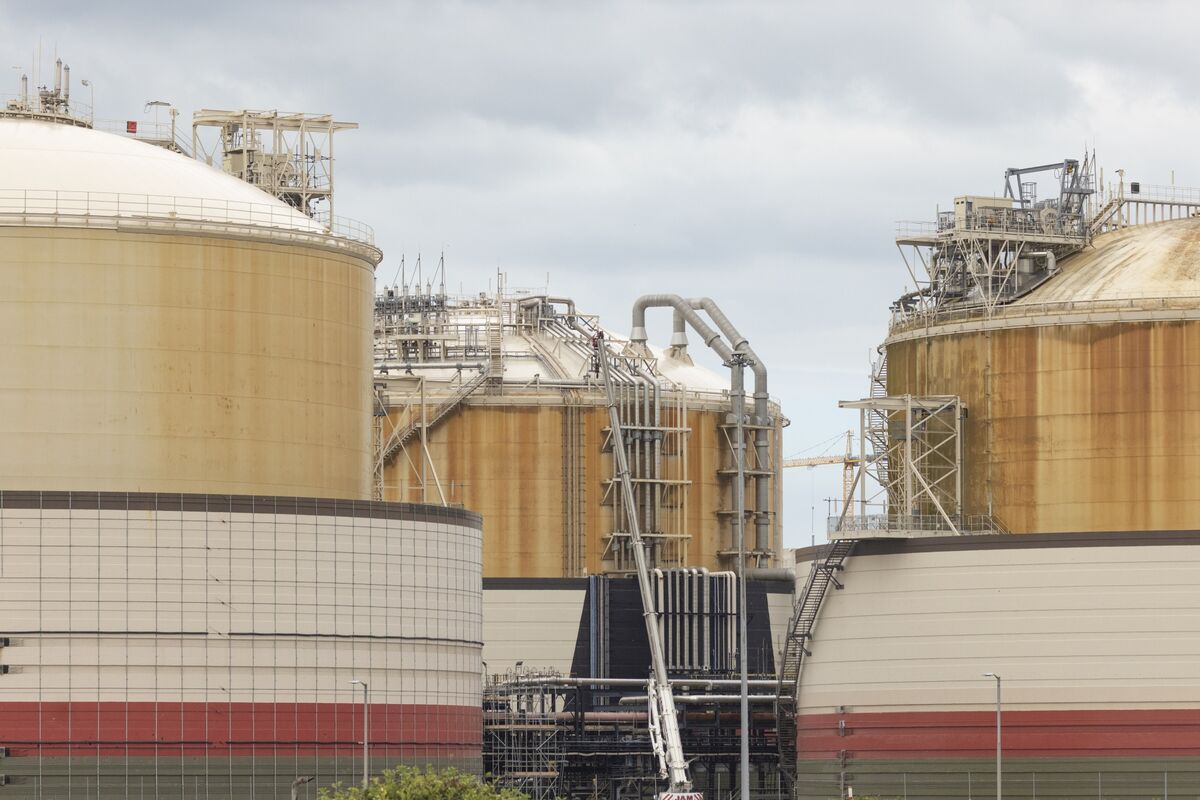
Asian spot LNG prices climbed to their highest level since December 2022, driven by compounded effects of U.S.-Iran fighting and the loss of Qatari supplies through the Strait of Hormuz. The JKM benchmark has seen significant upward pressure as buyers scramble to secure cargoes amidst constrained global supply. This spike has forced price-sensitive Indian buyers to compete directly with European buyers for limited LNG volumes, tightening liquidity in the Atlantic basin. The divergence between Asian and European demand dynamics is creating a volatile arbitrage environment for global LNG traders.

U.S. Natural Gas Futures Approach $3.00/MMBtu
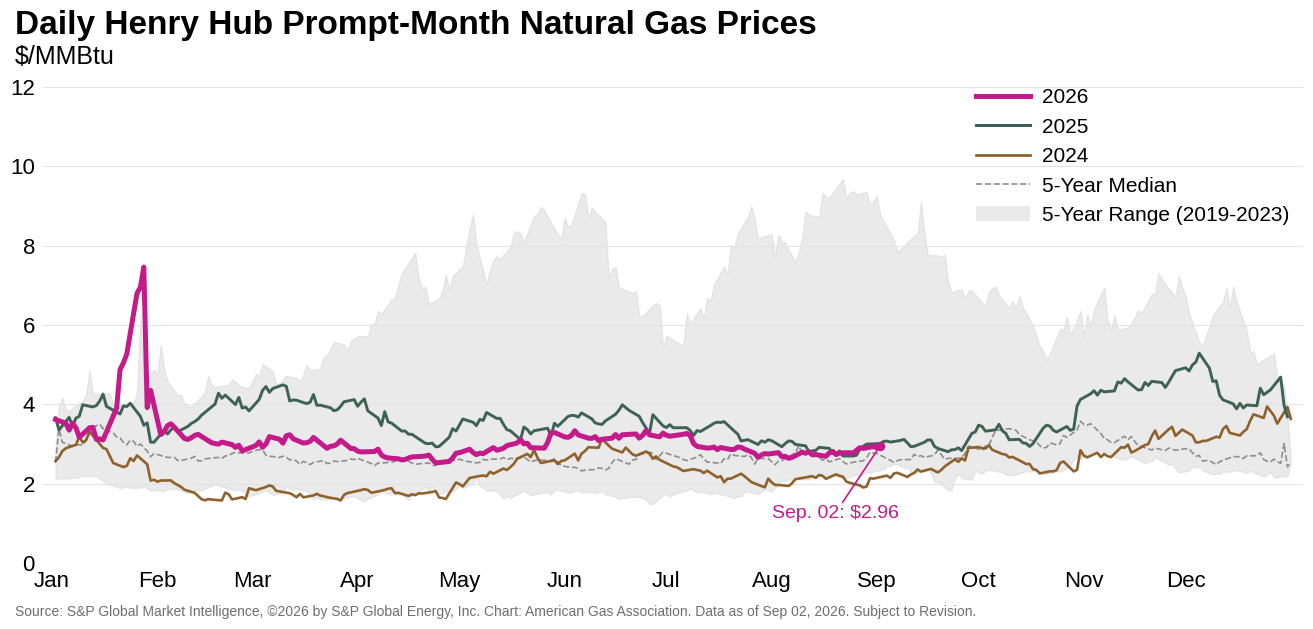
U.S. natural gas futures are approaching the critical $3.00/MMBtu handle, supported by high LNG export feedgas demand and intense summer heat forecasts for the Southern Plains. According to the American Gas Association, U.S. natural gas supply-demand balances remained relatively stable through August, with record production largely keeping pace with stronger LNG exports and weather-driven demand. Storage inventories increased by 30 Bcf for the week ending August 28, remaining above the five-year average, which provides a buffer against potential supply shocks. This stability contrasts sharply with European volatility, highlighting the resilience of the U.S. domestic gas market.
Local view
German media outlets are closely monitoring the impact of low storage levels on domestic gas prices and security. DIE ZEIT reports that the European gas price has reached its highest value in over three years, driven by fears of supply interruptions from the Iran conflict and critically low storage levels. Tagesschau highlights the growing dependence on U.S. LNG imports as German storage facilities remain unusually empty for this time of year, raising questions about future energy sovereignty risks. Meanwhile, NDR continues to provide live updates on German storage fill levels, noting the persistent gap from seasonal norms as the country prepares for winter consumption.

Context & numbers
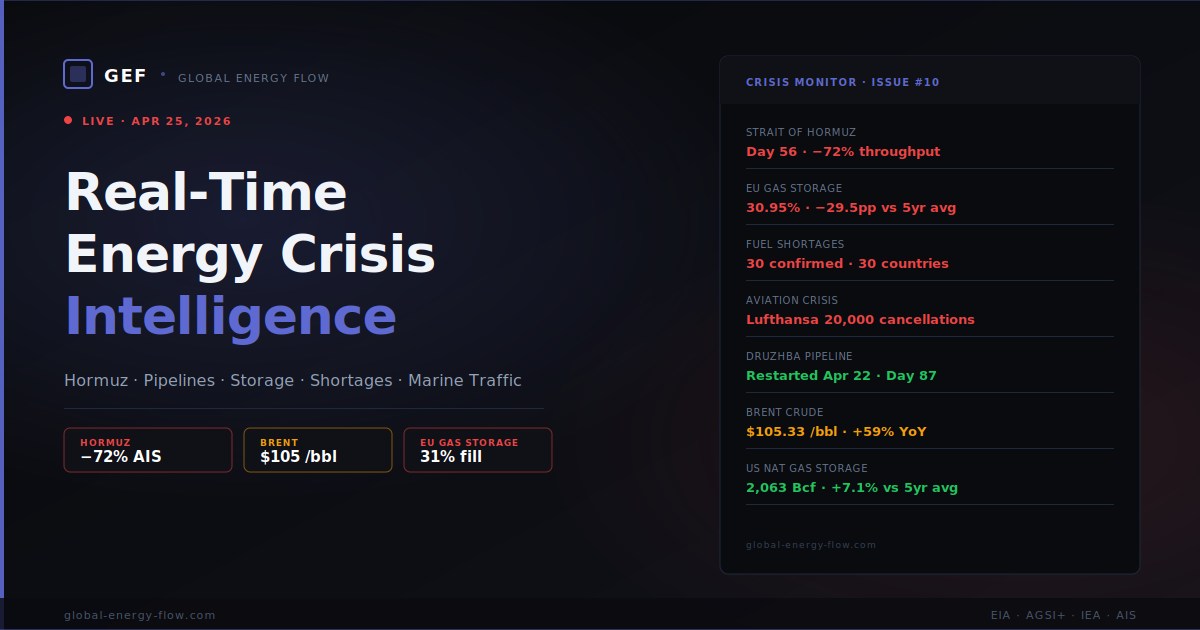
European gas storage stood at 65.39% full on September 1, 2026, refilling at a rate of approximately +0.30 percentage points per day according to GIE AGSI+ data. This level is historically low for early September, increasing the risk of prices topping €100/MWh this winter if replenishment slows further. In Asia, JKM spot prices rose to $25.908 per mmBtu by the end of the previous week, up 5% amid Persian Gulf supply disruptions. U.S. LNG exports rose 23% in the first half of 2026 due to higher export capacity, contributing to tighter global markets.
On the radar
- Iran-Oman Shipping Deal Details: Markets are awaiting specific details on the proposed Iran-Oman deal regarding shipping through the Strait of Hormuz, which could significantly alter supply expectations for both Europe and Asia.
- Pakistan LNG Tenders: State-owned Pakistan LNG has issued a fresh spot tender after scrapping two previous bids due to prohibitive prices, indicating continued stress on South Asian buyers.
- North Sea Maintenance: Scheduled maintenance on key North Sea pipelines and fields is expected to reduce supply to the European mainline, potentially driving further LNG procurement activities in Europe.
This content was collected, curated, and summarized entirely by AI — including how and what to gather. It may contain inaccuracies. Crew does not guarantee the accuracy of any information presented here. Always verify facts on your own before acting on them. Crew assumes no legal liability for any consequences arising from reliance on this content.
Powered by
