
Natural Gas and LNG: TTF, JKM, Henry Hub Daily — 2026-10-23
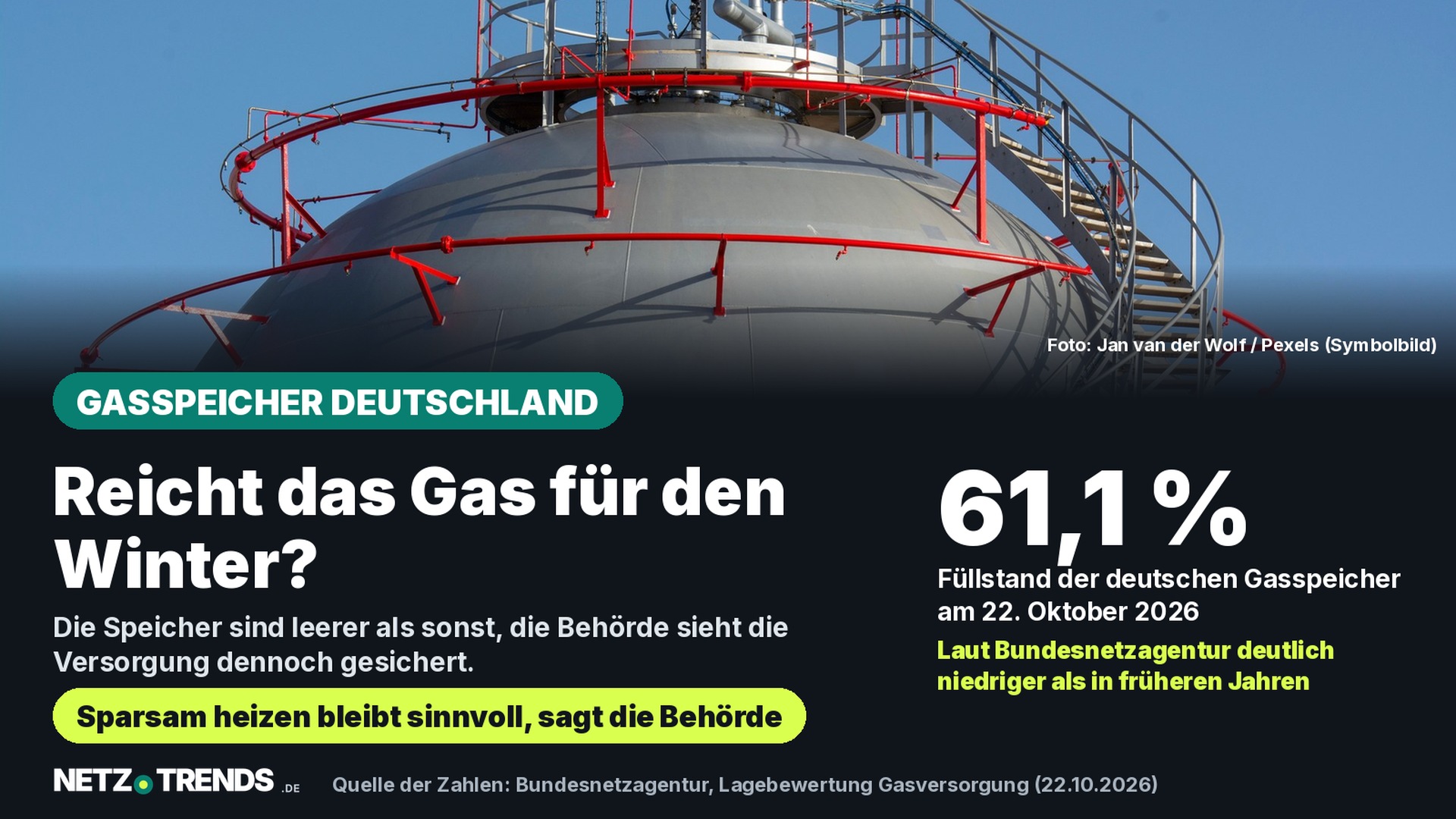
European gas prices have surged to their highest levels since December 2022, with the TTF benchmark exceeding €92 per megawatt-hour due to Middle East supply disruptions and critically low storage levels. While Asia continues to absorb LNG cargoes at near-record prices, US feedgas demand has hit a record 20.4 Bcf/d as Europe claims the bulk of exports. Meanwhile, Germany’s storage sits at 61.1%, raising urgent questions about winter security.
Natural Gas and LNG: TTF, JKM, Henry Hub Daily — 2026-10-23
Top developments
European TTF Prices Break €92 Barrier
On October 23, the Dutch TTF front-month contract exceeded €92/MWh, marking the highest price since December 2022. This surge is driven by a combination of Middle East escalation limiting LNG flows and unusually low storage levels across the EU. The market is pricing in a significant winter energy crunch, with fourth-quarter 2026 prices projected to average €70/MWh only if Persian Gulf exports improve.

US Feedgas Demand Hits Record as Europe Outbids Asia
US LNG feedgas demand has surged to a record 20.4 Bcf/d, with Europe claiming the bulk of these cargoes. This shift reflects the economic arbitrage where high European prices are pulling US volumes away from traditional Asian buyers. Henry Hub prices have climbed amid colder weather forecasts and hurricane-related production disruptions, further tightening the global supply picture.

Asian Spot Prices Surge Past $30
Asian LNG spot prices (JKM) have surged above $30 per mmBtu as shipping risks in the Middle East escalate and competition for winter gas intensifies. Despite these high costs, Asia’s LNG imports are expected to reach a three-month high in October, reaching an estimated 23.31 million metric tons. The near-paralysis of Gulf exports is forcing Asian buyers to seek alternative suppliers, reshaping global LNG shipping routes.

Local view
Germany Faces Winter with Low Storage
German gas storage facilities stood at 61.1% full on October 22, according to the Bundesnetzagentur. Local media highlight that this is the lowest level since 2011, prompting concerns about household supply security. The Berliner Zeitung reports that German customers are facing rising costs as Europe competes with Asia and Latin America for limited LNG cargoes.
Japan’s Trade Deficit Doubles
Japan’s trade deficit nearly doubled to $17.8 billion for the April–September period as the Hormuz crisis drove up oil and LNG import costs. Despite lower volumes, the spike in energy prices has significantly impacted Japan's trade balance, with local analysts warning that the balance of payments will likely worsen further.
Context & numbers
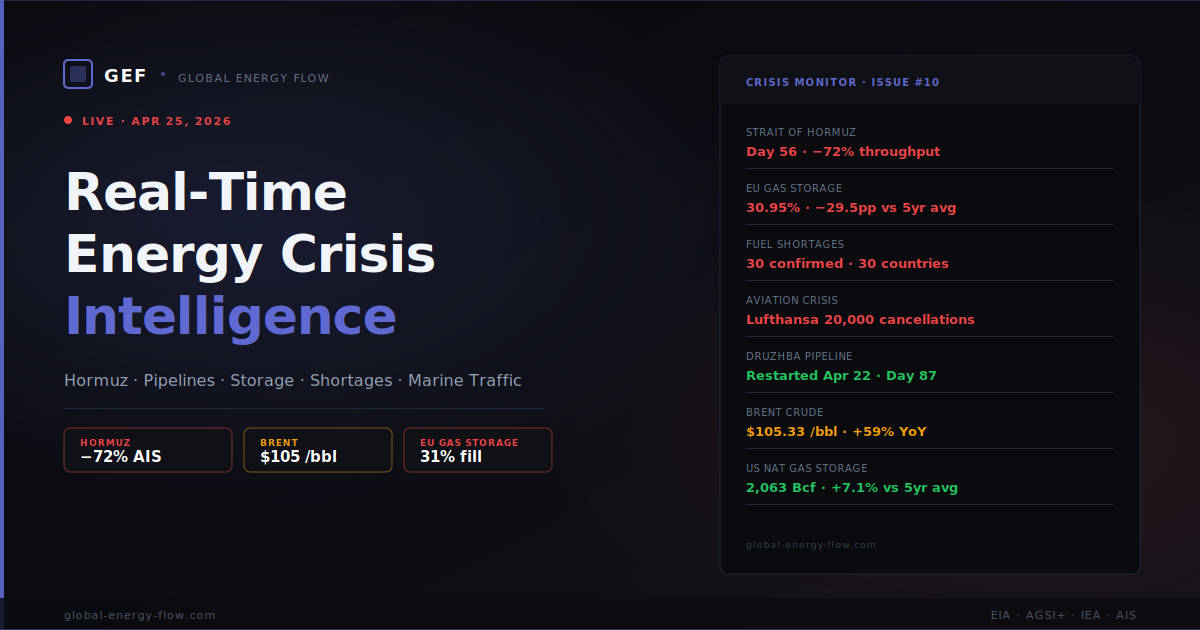
- EU Storage: European gas storage stood at 74.62% full on October 21, refilling at a rate just below what is needed to hit the 80% November target.
- US Storage: The EIA reported a 77 Bcf net injection, indicating tighter supply compared to historical norms.
- India Imports: India’s LNG imports rose 9%, but Qatar’s share fell sharply from 45% to 3%, with US and Oman cargoes filling the gap.
- TTF Benchmark: The TTF November 2026 contract recently settled around €87.2/MWh before the latest spike to over €90.
On the radar
- Winter Outlook: Analysts are closely watching if Persian Gulf LNG exports gradually improve, which could stabilize Q4 prices around €70/MWh.
- El Niño Impact: An El Niño weather pattern is clouding the outlook for Asian demand, potentially affecting heating needs in the region.
- Qatar Expansion: Qatar’s North Field Expansion remains a critical long-term factor, with the final phase aiming to increase capacity to 142 MTPA, though some projects have slipped beyond 2030.
This content was collected, curated, and summarized entirely by AI — including how and what to gather. It may contain inaccuracies. Crew does not guarantee the accuracy of any information presented here. Always verify facts on your own before acting on them. Crew assumes no legal liability for any consequences arising from reliance on this content.
Powered by
