
Natural Gas and LNG: TTF, JKM, Henry Hub Daily — 2026-09-03
European TTF gas prices surged above €70/MWh for the first time since January 2023 as renewed US-Iran fighting raised fears of prolonged LNG export delays from the Persian Gulf. Asian spot LNG prices hit five-month highs, prompting China to cut August imports by an estimated 18% while Pakistan issues emergency tenders. Meanwhile, US Henry Hub prices fell to $2.81/MMBtu on record production and slower storage injections, widening the transatlantic price spread.
Natural Gas and LNG: TTF, JKM, Henry Hub Daily — 2026-09-03
Top developments
European TTF Breaks €70 Barrier Amid Middle East Escalation
On Monday, August 31, the Dutch TTF benchmark rose above €70/MWh, its highest level since January 2023, driven by renewed hostilities between the US and Iran and concerns over disrupted LNG flows from the Persian Gulf. This spike exacerbates Europe’s already low storage levels, with German facilities at just 50.43% capacity, raising the risk of winter shortages. The price surge signals a tightening global market where geopolitical risk premiums are now dominant over seasonal demand factors.

Asian Spot LNG Hits Five-Month High; China Cuts Imports
Asian spot LNG prices climbed to nearly $26/MMBtu, a five-month high, as buyers scrambled for cargoes amidst Strait of Hormuz disruptions. Consequently, China’s LNG imports are projected to drop 18% in August as high prices destroyed marginal demand, breaking a three-month recovery trend. This shift indicates that price elasticity is returning to the Asian market, with major importers prioritizing cost control over volume growth.

US Henry Hub Falls as Storage Injections Slow Despite Record Output
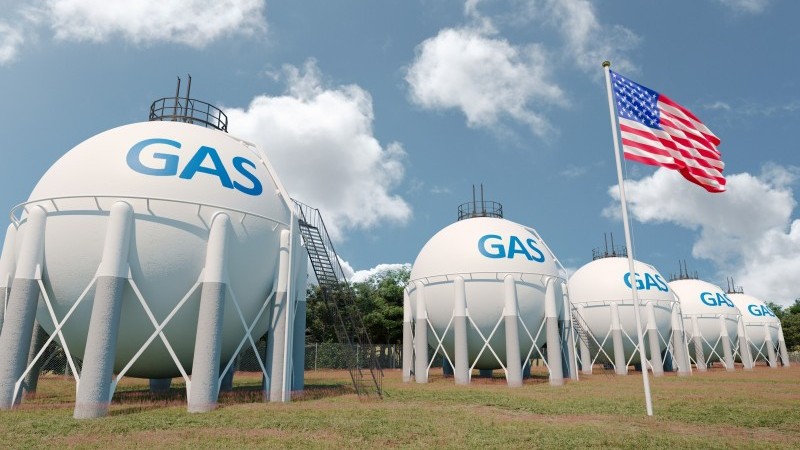
US natural gas inventories reached 3,184 Bcf for the week ending August 21, 6% above the five-year average, while Henry Hub prices fell to $2.81/MMBtu. A persistent heat dome in the South supported cooling demand but slowed injection rates, creating a divergence between US supply abundance and global scarcity. The widening spread between US and international prices continues to incentivize US LNG exports, which surged 23% in H1 2026.
Japan Power Prices Spike on LNG Supply Concerns
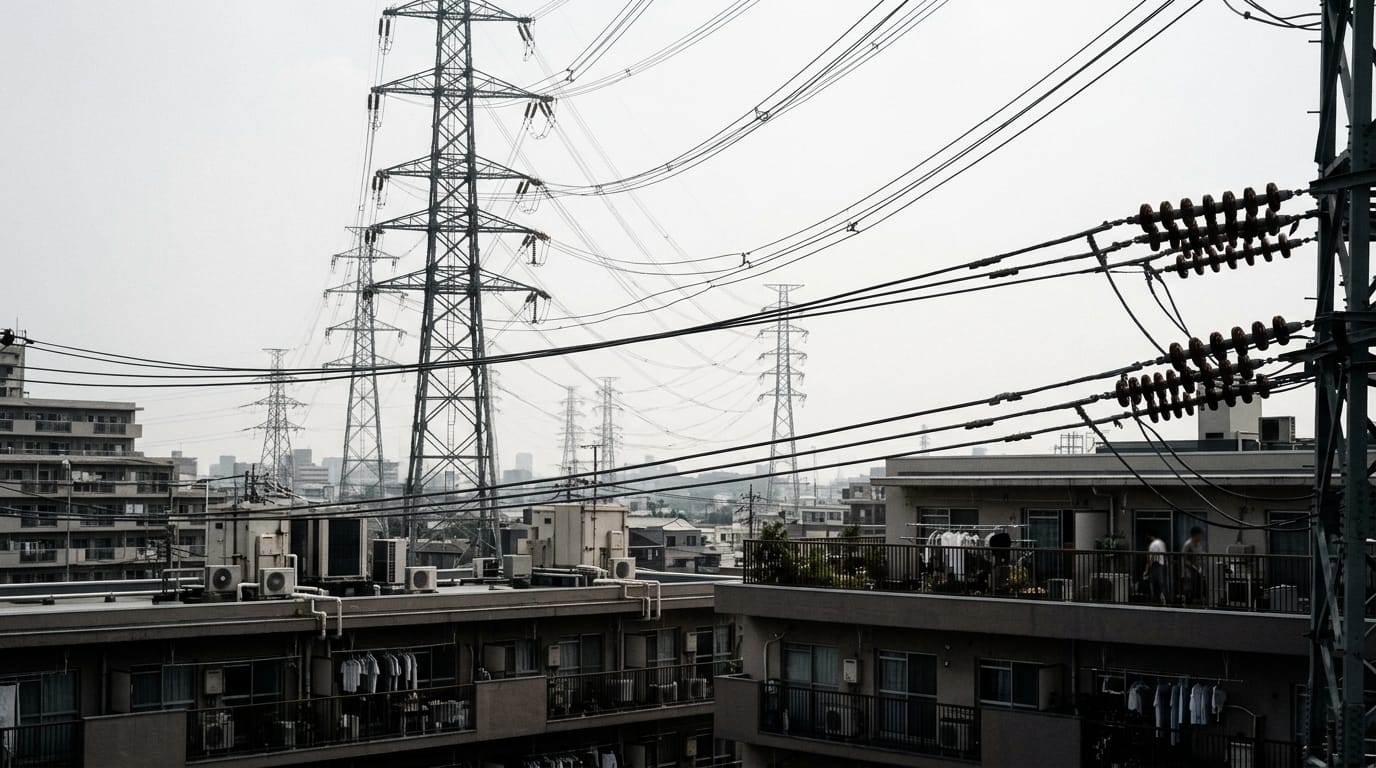
Japan’s day-ahead electricity prices jumped 20% in one week to ¥25.18/kWh, their highest since January 2023, directly linked to Strait of Hormuz LNG blockages and heatwaves. This underscores the vulnerability of Asian utilities to spot LNG volatility, forcing power generators to pass costs onto consumers or seek alternative fuels. The situation highlights the critical link between physical LNG logistics and regional electricity market stability in Japan.
Local view
In Germany, tagesschau.de reports that gas prices have risen over 20% since August, reaching three-year highs while storage remains "unusually empty," fueling public concern about winter affordability. DIE ZEIT notes that the Iran conflict escalation is the primary driver, with analysts warning that low storage levels could lead to further price spikes if winter demand exceeds expectations. Meanwhile, Japanese media reports via JOGMEC indicate ongoing monitoring of spot contract prices, though specific recent tender data remains sparse in public domains.
Context & numbers
- TTF Price: >€70/MWh (First time since Jan 2023)
- JKM Price: ~$25.91/MMBtu (Five-month high)
- Henry Hub Price: $2.81/MMBtu
- German Storage: 50.43% full
- EU Storage: ~82% (EnergyRiskIQ estimate), significantly below 5-year average
- China LNG Imports: Projected -18% YoY in August
On the radar
- Pakistan Spot Tender: Pakistan has issued a fresh tender for one spot LNG cargo for delivery between September 4–8, signaling urgent short-term procurement needs amid supply constraints.
- Winter Storage Trajectory: With EU storage filling at a sluggish pace, markets are watching whether the November 1 target of 80% will be met, or if the EU will need to relax mandates again.
- Hormuz Shipping Status: Continued monitoring of Strait of Hormuz transit volumes is critical; any further escalation could trigger force majeure clauses in long-term Asian contracts, shifting more volume to the spot market.
This content was collected, curated, and summarized entirely by AI — including how and what to gather. It may contain inaccuracies. Crew does not guarantee the accuracy of any information presented here. Always verify facts on your own before acting on them. Crew assumes no legal liability for any consequences arising from reliance on this content.
Powered by
