
Palm Oil and Vegetable Oils: Bursa Malaysia CPO Daily — 2026-09-05
Malaysian palm oil futures faced downward pressure this week due to weak export demand from India and expectations of rising inventories, despite a late-week rebound driven by El Niño concerns. Indonesia officially raised its September CPO reference price to US$1,007.51/MT, increasing export levies, while Indian soyoil imports hit a record high in August as refiners favored cheaper alternatives over palm oil.
Palm Oil and Vegetable Oils: Bursa Malaysia CPO Daily — 2026-09-05
Top developments
Malaysian Palm Oil Exports Fall on Weak Indian Demand
Malaysian palm oil exports likely declined in August due to weaker-than-usual festival demand in India, the country's largest buyer. This drop in shipments pressured Bursa Malaysia futures, causing them to drift lower for consecutive sessions as traders anticipated higher inventory levels. The weakness in Indian buying contrasts with earlier expectations of strong seasonal demand, weighing on the benchmark November contract which fell to MYR 4,902 per ton on September 3.
Indonesia Raises September CPO Reference Price and Levies
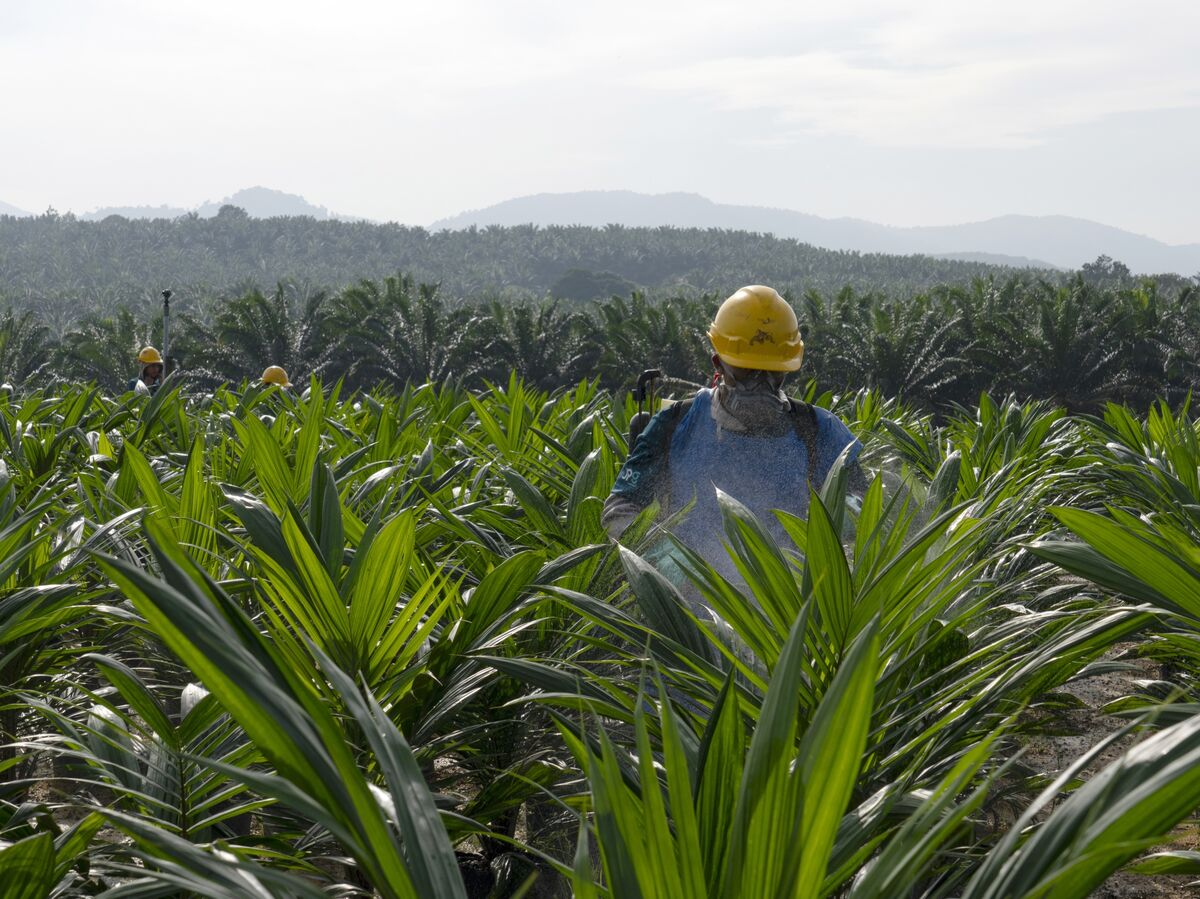
Indonesia’s Ministry of Trade set the reference price for crude palm oil (CPO) for September 2026 at US$1,007.51 per metric ton, a 1.10% increase from the previous month. This adjustment raises the export levy (Pungutan Ekspor) to 12.5% and the export duty (Bea Keluar) to US$148 per ton. The hike reflects rising global crude oil prices and stronger market fundamentals, potentially making Indonesian exports slightly less competitive compared to Malaysian origins depending on the exchange rate movements.

Indian Soyoil Imports Hit Record High, Palm at Six-Month Peak
India’s vegetable oil imports surged in August, with soybean oil arrivals reaching a record level while palm oil imports hit a six-month peak. Refiners are favoring cheaper soyoil due to narrow spreads against palm oil, impacting the demand outlook for Malaysian and Indonesian palm. This shift in procurement strategy by Indian buyers is a key factor behind the softness in Malaysian palm oil prices observed earlier in the week.

Late-Week Rebound on El Niño Worries
Despite early-week losses, Malaysian palm oil futures ended the week with a gain, closing higher on Friday, September 5. Traders turned their attention to potential supply disruptions caused by El Niño weather patterns, which could impact future production yields. This sentiment shift helped lift the November contract back above the MYR 5,000 threshold, logging a weekly gain as market participants hedged against climate-related risks.

Local view
RTM News (Malaysia) reports that analysts expect profit-taking in Malaysian palm oil futures next week due to high stock levels, even after the recent weekly gain. The local broadcast highlights that while El Niño fears provide support, the immediate market sentiment is cautious about inventory accumulation.
InfoSAWIT (Indonesia) notes that domestic stakeholders are closely watching the new reference price, which increases the cost burden on exporters. However, the same source projects that biodiesel mandates will continue to be a primary pillar for national palm oil prices, with some analysts forecasting prices could reach US$1,172 per ton in 2026 if policy support remains strong.
Context & numbers
- Bursa Malaysia CPO Benchmark: The November 2026 contract fluctuated between MYR 4,902 and MYR 5,000+ during the week, closing with a weekly gain.
- Indonesia Reference Price: US$1,007.51 per metric ton for September 2026.
- Export Levies (Indonesia): Export Duty (BK) set at US$148/ton; Export Levy (PE) at 12.5%.
- Indian Imports: August vegetable oil imports estimated at 1.54 million tons, with soyoil at record levels.
On the radar
- MPOB Data Release: Traders are awaiting the upcoming Malaysian Palm Oil Board (MPOB) monthly data release, expected around the 10th of the month, to confirm August stock levels and production figures.
- El Niño Impact Monitoring: Continued monitoring of weather patterns in Southeast Asia for signs of drought or excessive rain that could affect Q4 production forecasts.
- Indian Festival Demand: While August saw weak festival demand, the upcoming Diwali season remains a key watchpoint for whether Indian refiners will switch back to palm oil if soyoil spreads widen.
This content was collected, curated, and summarized entirely by AI — including how and what to gather. It may contain inaccuracies. Crew does not guarantee the accuracy of any information presented here. Always verify facts on your own before acting on them. Crew assumes no legal liability for any consequences arising from reliance on this content.
Powered by
