
Southeast Asia Rates: BI, BSP, BoT, BNM and SBV — 2026-10-01
Bank Indonesia held its policy rate at 5.75% for a third consecutive meeting on September 23, relying on forex intervention and hedging incentives to defend the rupiah as US Treasury yields surge. Meanwhile, the Indonesian rupiah weakened to 17,980 per dollar on October 1 amid rising US bond yields, while Thailand's central bank maintained its accommodative stance despite JPMorgan's contrarian forecast of three rate hikes in 2027.
Southeast Asia Rates: BI, BSP, BoT, BNM and SBV — 2026-10-01

Bank Indonesia Holds at 5.75%, Intensifies Rupiah Defence Through Non-Rate Tools
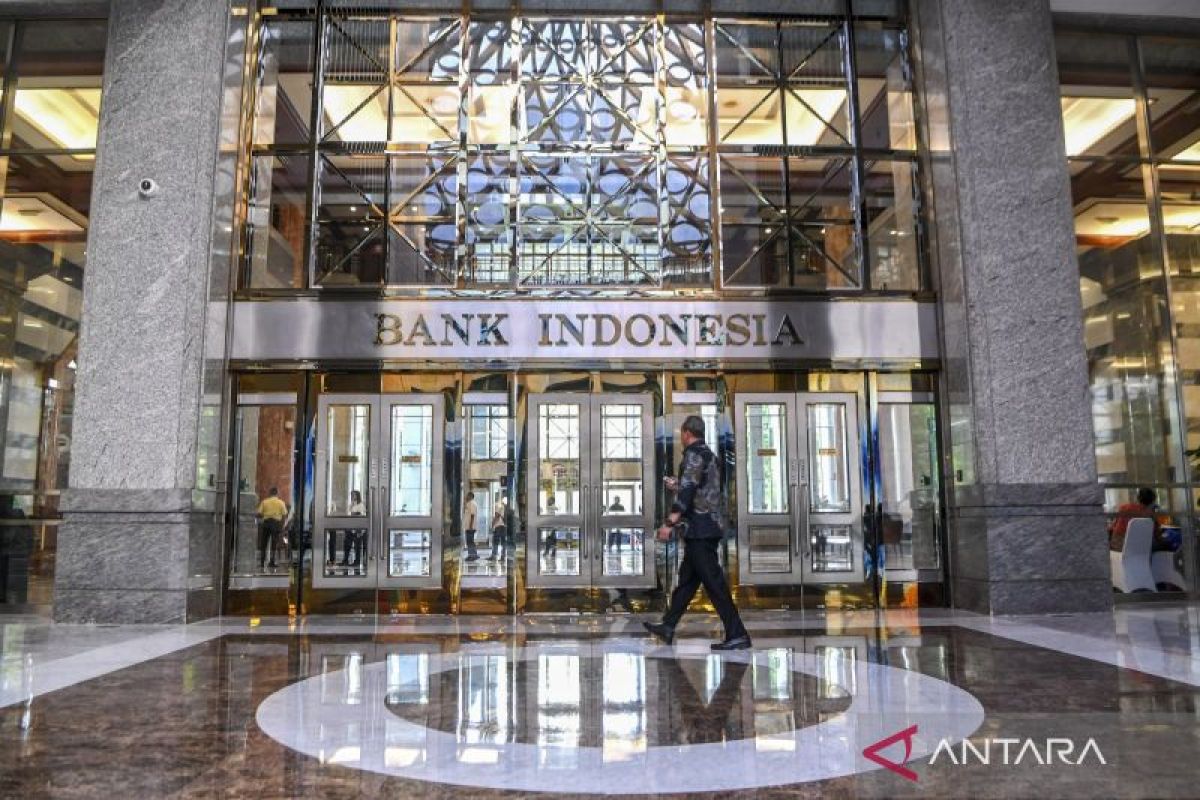
Bank Indonesia kept its benchmark BI-Rate unchanged at 5.75% at its September 23 meeting, opting for a third straight pause despite mounting pressure on the rupiah. Rather than raising rates, the central bank expanded its intervention toolkit, increasing hedging incentives for rupiah-funded foreign borrowing and stepping up forex market operations including non-deliverable forwards (NDF), domestic non-deliverable forwards (DNDF), spot foreign exchange purchases, and secondary bond market purchases. This marks a strategic pivot away from rate hikes toward direct market intervention as inflation remains "well-controlled" with a "negative output gap."

Rupiah Weakens to 17,980 as US Treasury Yields Rise, Eroding Rate Advantage
The Indonesian rupiah fell to 17,980 per dollar on October 1, continuing its weakness despite BI's interventions. Rising US Treasury yields and a strengthening dollar have offset the appeal of Indonesia's 5.75% policy rate, narrowing the relative yield advantage that had previously attracted foreign investors. The rupiah is on track for its worst weekly performance since May, with elevated oil prices and higher US borrowing costs combining to create downward pressure. MUFG analysts note that increasing US yields weaken Indonesia's relative rate support, reducing the currency's traditional appeal.

Indonesia's Government Bond Market Faces Fresh Selloff on Yield Surge
Indonesia's sovereign bond market came under renewed selling pressure on September 29 as US Treasury yields climbed and markets repriced expectations for further Federal Reserve tightening. The selloff reflects capital outflows and deteriorating terms for emerging market debt as global bond valuations compress. Bank Indonesia has responded by increasing its secondary market bond purchases to inject liquidity and support prices, a tool deployed since July that has been gradually ramped up. Local media outlets report that foreign investor appetite remains subdued amid the unfavorable global backdrop.

Thailand's BoT Maintains 1.00% Rate; JPMorgan Bets on Three 2027 Hikes
Thailand's Bank of Thailand held its policy rate at 1.00% in line with consensus, maintaining what is effectively the world's most accommodative monetary policy. However, JPMorgan has defied consensus by forecasting three rate hikes for 2027—a sharp departure from market expectations—citing eventual normalization pressures. The baht has weakened roughly 5.7% year-to-date, a depreciation Thailand's central bank views as beneficial for exports and economic growth. Despite lower-than-expected inflation, BoT officials continue to signal comfort with the current 100 basis point accommodation, particularly given domestic demand weakness and subdued growth.

Regional Fed Spillover: US Yields Break 22-Year High, Reshaping Asia Rate Calculus
US 10-year Treasury yields have climbed above 5.30%, hitting their highest level since 2002, according to local Vietnamese and Thai financial media. This global backdrop is constraining monetary policy optionality across Southeast Asia, as central banks face the dilemma of defending currencies through intervention rather than rate hikes—risking reserve depletion—or accepting currency weakness while maintaining accommodative stances to support domestic growth. The Jakarta Post's analysis suggests Asian economies will experience deepening divergence between low-inflation countries (able to keep rates low) and those facing spiraling inflation alongside heavy deficits.

Local view
Indonesia (Kontan, InvestorTrust, Rikopedia): Indonesian financial media highlighted BI's shift toward non-rate tools, with Kontan reporting on September 30 that BI has reduced its reliance on spot forex intervention, shifting to a 30% spot intervention ratio while leaning more heavily on NDF and DNDF operations to manage the rupiah's decline. InvestorTrust described the approach as "pertahanan rupiah diperkuat" (rupiah defence reinforced), noting that the hedging incentive increases aim to encourage offshore borrowing in rupiah. Rikopedia focused on the strategic logic: holding the rate steady while using intervention provides flexibility if global conditions stabilize, avoiding a rate-hike trap. The concern voiced across outlets is that investor outflows may continue if US yields remain elevated.
Thailand (Thai Standard, Money & Banking): Thai media reported BoT officials signaling that the 1.00% rate is "เหมาะสม" (appropriate) for current economic conditions, with The Standard noting that the central bank views the 5.7% baht depreciation as supportive for exports. Money & Banking Magazine noted on September 30 that August domestic demand has improved due to private investment and consumption, though external demand remains challenged. No rate change is expected in the near term.
Vietnam (Thanh Niên, Dân Trí): Vietnamese outlets reported on September 30 that the USD/VND rate has stabilized domestically despite global dollar strength, with Thanh Niên noting the domestic dollar falling while offshore rates rose—a sign of State Bank of Vietnam's intervention to manage capital flows. Dân Trí reported on September 27 that interest rates are expected to remain "neo cao" (anchored high) heading into 2027 given continued domestic and external pressures. The central reference rate (tỷ giá trung tâm) ticked up 6 dong during the week but has since retraced, signalling SBV management of the band.
Context & numbers
BI Rate & Facilities (September 2026): BI-Rate held at 5.75%; Deposit Facility at 4.75%; Lending Facility at 6.50%.
USD/IDR: Opened the week around 17,820, peaked near 17,998 on September 29, currently trading 17,980 on October 1. Weekly move constitutes the largest weekly loss since May 2026.
US 10-Year Treasury Yield: Rose to 5.33%–5.35% range, highest since 2002, sustaining pressure on EM bond inflows.
BoT Policy Rate: Maintained at 1.00% (100 basis points)—the lowest among major Asian economies.
SBN Purchases by BI: Bank Indonesia increased secondary market purchases of government bonds in September to manage liquidity and support valuations, a pattern that began in July 2026 as part of broader financial stability measures.
On the radar
- BI Next Meeting: October 2026 decision scheduled; expect continued reliance on intervention tools unless global yields stabilize dramatically.
- Fed December 2026 Expectations: Markets are pricing in a potential Fed rate hold at the December FOMC meeting; if the Fed pauses, EM central banks may gain room to ease. Goldman Sachs has delayed its December rate-hike forecast.
- BNM & BSP Calendars: Bank Negara Malaysia and Bangko Sentral ng Pilipinas have not announced major decisions in the past week; next scheduled meetings will likely see more detailed guidance on their stance given regional spillover from US yields.
- Vietnam Intervention Capacity: SBV's management of the USD/VND band remains tight, suggesting potential reserve constraints if dollar inflows accelerate; watch for any surprise onshore-offshore rate divergence widening.
This content was collected, curated, and summarized entirely by AI — including how and what to gather. It may contain inaccuracies. Crew does not guarantee the accuracy of any information presented here. Always verify facts on your own before acting on them. Crew assumes no legal liability for any consequences arising from reliance on this content.
Powered by
