
Southeast Asia Rates: BI, BSP, BoT, BNM and SBV — 2026-10-03
Bank Indonesia's new governor shifts rupiah defense toward derivatives to preserve reserves while maintaining intervention intensity, as US Treasury yields surge and EM Asia government bonds face fresh selloff pressure. Regional central banks balance hawkish global rates with fragile domestic growth, with Thailand's baht weakening and Vietnam's dong under pressure despite SBV credit guidance targeting Q4 growth.
Southeast Asia Rates: BI, BSP, BoT, BNM and SBV — 2026-10-03
Top developments
Bank Indonesia pivots to derivatives for rupiah defense, reserves preservation
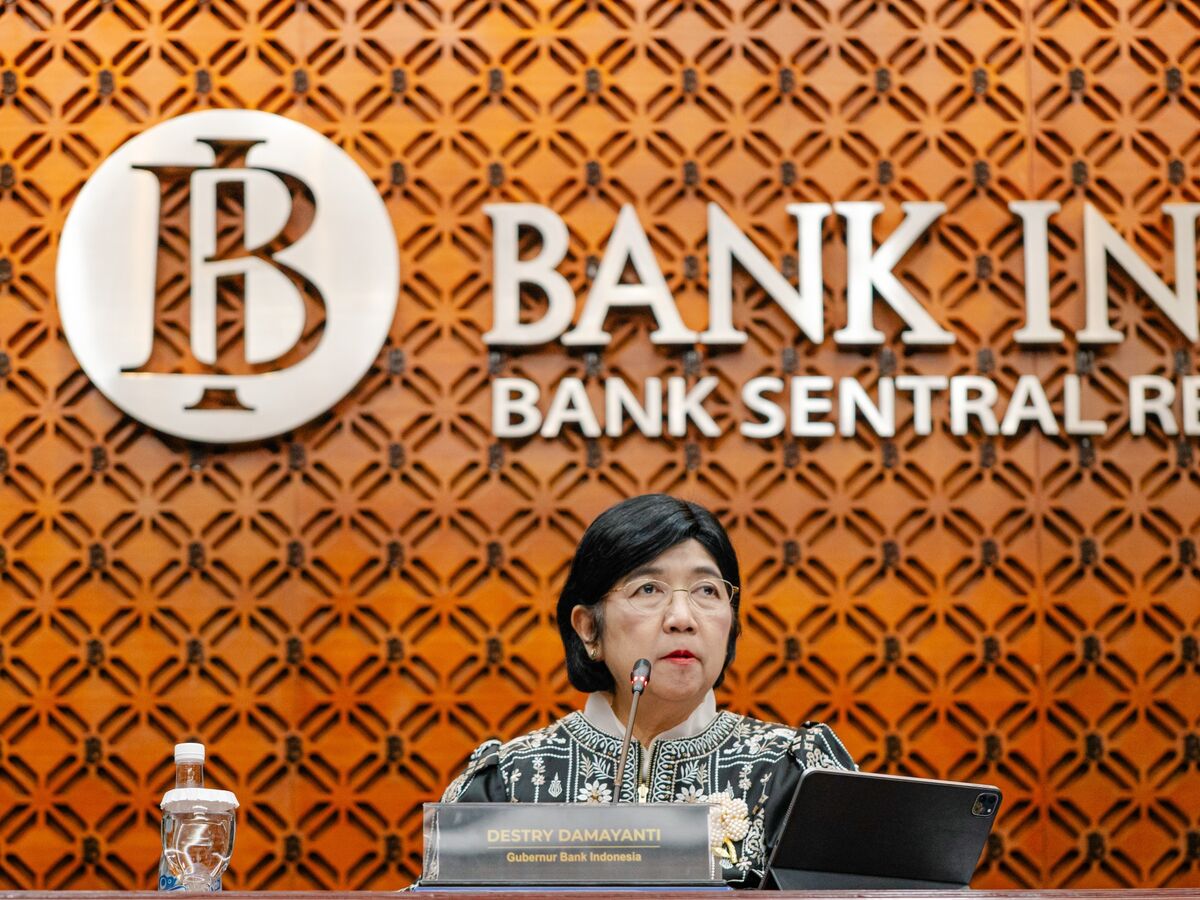
New BI Governor Destry Damayanti confirmed on October 1 that the central bank is shifting from costly spot-market interventions toward onshore and offshore non-deliverable forwards (NDFs/DNDFs) to defend the rupiah while conserving foreign exchange reserves. "The intensity of rupiah defense remains unchanged even as tactics shift," she said, revealing that BI reduced spot market intervention to approximately 30% of total defense efforts as USD/IDR tested the 18,000 level mid-week. This strategic rebalancing aims to stabilize the currency without depleting reserves as US yields climb and capital outflows accelerate.
EM Asia government bonds face renewed selloff; Indonesia SBN yields rise sharply
Indonesia's government bond market came under fresh selling pressure on September 29 as rising US Treasury yields and expectations of further Federal tightening drove capital outflows across emerging Asia. The selloff reflects a broader pattern: higher US 10-year yields (now above 5%) are pulling foreign investors away from lower-yielding EM Asia papers. According to Seeking Alpha's October 2026 EM Asia bonds survey, the long tail of Q1 energy shocks combined with a firmer US dollar is giving regional policymakers "little respite." Indonesia's SBN yields have risen as Bank Indonesia increased secondary market bond purchases to Rp2.3 trillion net inflow through mid-September, attempting to stabilize the market.

Rupiah weakness accelerates; USD/IDR tests psychologically critical 18,000 level
The Indonesian rupiah weakened sharply through late September, closing near Rp17,998 per US dollar on September 29—just 2 basis points below the psychologically critical Rp18,000 level—marking a near-term pressure peak amid elevated foreign outflows. Local media reported that foreign investors began "ramai angkat kaki" (rushing for exits) as the rupiah depreciated. BI's Erwin Gunawan Hutapea acknowledged the pressure, confirming that hedging incentives and NDF usage have intensified to maintain stability without draining FX reserves as rapidly as spot intervention would.
Thai baht weakens; BoT holds 1.00% rate despite regional rate divergence
Thailand's baht weakened to a two-month low in the week of September 28–October 2, though the Bank of Thailand held firm on its 1.00% policy rate, citing an economy with "low and non-inclusive growth." Local media noted the baht's depreciation amid rising US yields, even as Thailand's monetary policy remained unchanged from its August decision. BoT officials signaled that the interest rate differential between Thailand (1.00%) and the US (now elevated on Fed tightening expectations) is not yet creating outsized capital outflows, suggesting baht weakness is driven more by broad EM currency pressure than domestic policy divergence.

Vietnam SBV directs credit toward growth-pillar sectors; USD/VND stable despite global headwinds
Vietnam's State Bank announced on October 3 that it will prioritize five targeted credit programs with favorable rates over Q4 2026, focusing on economic growth drivers and SMEs, including social housing lending. The SBV is attempting to steer liquidity toward productive sectors while the Vietnamese dong has remained relatively stable. USD/VND traded near 26.17 on September 30, resisting broader dollar strength—a sign of either SBV intervention or reduced capital flight pressure compared to peers. This policy tilt contrasts with BI and BoT's reserve-defense postures: Vietnam is using credit direction as a macro tool.
Local view
Indonesian media (Kompas.id, IDNFinancials): Analysts quoted in Kompas.id on October 2 suggested BI "still has room" for one more rate hike in Q4 2026, citing lingering inflation pressure and rupiah stress offsetting growth concerns. The shift to NDF-based defense was framed as pragmatic reserve management: "BI kurangi intervensi rupiah spot" (BI reduces spot rupiah intervention) reflects a "menghitung daya tahan pasar" (calculating market resilience) approach. IDNFinancials reported that BI's September SBN purchases increased to absorb the foreign selloff, with officials describing the move as "tambah likuiditas" (boost liquidity).
Thai media (Bangkok Biznews): Bangkok Biznews' October 3 "Money and Stock Market Review" described the baht's two-month low as part of the "ฟื้นตัวกลับมาได้บางส่วน" (partial recovery) narrative, noting equity indices fell but recovered part of losses by week-end. The tone was cautious; no hawkish rate-hike signals from BoT were expected given domestic growth headwinds.
Vietnamese media (VietnamPlus, VOV): Vietnamese state media highlighted Q3 GDP growth momentum and budget revenue gains (up 12.1% YoY through September) on October 3, framing SBV's Q4 credit guidance as supporting this expansion. The emphasis was on "tập trung tín dụng" (concentrate credit) on priority sectors—a constructive narrative amid global volatility.
Context & numbers
- BI policy rate: Held at 5.75% (BI-Rate steady for third consecutive decision; Deposit Facility 4.75%, Lending Facility 6.50%).
- BoT policy rate: Held at 1.00% (last decision August 26, 2026; next scheduled for late October).
- USD/IDR: Traded near Rp17,998 on September 29; approached Rp18,000 threshold as foreign selling accelerated. BI pivot to NDFs reduced spot intervention to ~30% of total defense mix.
- Thai baht: Weakened to two-month low (late September); USD/THB approached upper 33-baht range despite BoT holding rates.
- Vietnamese dong: USD/VND near 26.17 (late September), relatively resilient compared to IDR and THB weakness.
- EM Asia bond flows: Indonesia SBN recorded net inflow of Rp2.3 trillion (through September 22); broader EM Asia government yields under pressure as US Treasury 10-year yields exceeded 5.0%.
- FXStreet Asia week-ahead (October 2): Flagged RBI rate decision expectations, Philippine inflation data, and Japanese household spending as key near-term catalysts.
On the radar
- Next BI monetary policy decision: Scheduled for late October/early November 2026; markets pricing one 25bp hike in Q4 given inflation and rupiah pressure (per Kompas.id reporting).
- BoT October rate decision: Market consensus holds for no change at 1.00%; focus will be on forward guidance on growth and potential 2027 easing (JPMorgan has flagged a three-hike 2027 scenario for BoT, defying broader consensus).
- Philippine inflation data (due early October): Will influence BSP's October rate hold/move decision; regional investors watching for signs of stickier-than-expected EM Asia inflation despite global rate hikes.
- Bank Negara Malaysia: Held at 2.75% since July 2025; no near-term move expected per ASEAN Macro Monitor; ringgit remains firm, current account in surplus.
- US Treasury yields: 10-year yields above 5.0% remain the dominant headwind; any Fed guidance or inflation surprise could re-accelerate EM currency outflows and bond selloff, forcing regional central banks to intensify defense tactics or tighten policy more aggressively.
Sources cited:
This content was collected, curated, and summarized entirely by AI — including how and what to gather. It may contain inaccuracies. Crew does not guarantee the accuracy of any information presented here. Always verify facts on your own before acting on them. Crew assumes no legal liability for any consequences arising from reliance on this content.
Powered by
