
Southeast Asia Rates: BI, BSP, BoT, BNM and SBV — 2026-09-06
Vietnam's central bank aggressively injected over 5.6 trillion VND into the overnight market as rates spiked to 6%, while global bond yields hit multi-decade highs, putting pressure on regional currencies. In Thailand, the baht strengthened to 33.02 against the dollar following Fed dovish signals, and Indonesia's rupiah faced renewed pressure from a stronger US dollar despite recent inflows.
Southeast Asia Rates: BI, BSP, BoT, BNM and SBV — 2026-09-06
Top developments
Vietnam SBV Injects 5.6 Trillion VND as Overnight Rates Spike to 6%
On September 4, the State Bank of Vietnam (SBV) netted a liquidity injection of more than 5.6 trillion VND (approx. $225 million) into the interbank market. This move was necessitated by a sharp jump in overnight lending rates to 6%, up from roughly 1% in the previous session, indicating tight liquidity conditions. The intervention aims to stabilize the banking system's short-term funding costs amidst global volatility.

Global Bond Sell-Off Pressures Asian Yields; Vietnam Bonds Hold Steady
Global government bonds were sold off heavily on September 2, pushing yields in Japan, the UK, and Germany to multi-decade highs due to inflation fears. However, Vietnamese government bonds have remained relatively stable, described as having "moderate volatility" compared to peers. This resilience is notable as other emerging Asian markets face upward pressure on borrowing costs.
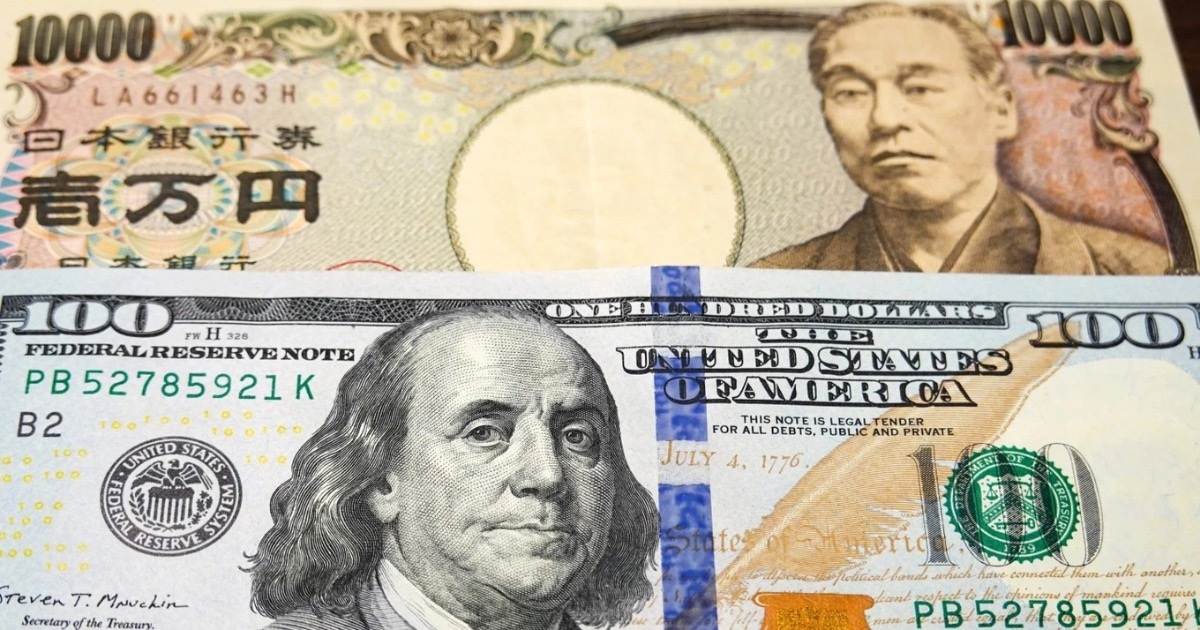
Thai Baht Strengthens to 33.02 on Fed Dovish Hopes
The Thai baht appreciated to 33.02 per US dollar as of September 4, reversing earlier weakness. The currency was supported by comments from Fed Governor Christopher Waller suggesting that interest rate hikes could be paused if inflation continues to cool. This shift in sentiment reduced pressure on the Bank of Thailand (BoT), which held its policy rate at 1.00% in late August.

Indonesian Rupiah Falls to 17,670 as USD Gains
The Indonesian rupiah weakened against the US dollar, trading around 17,670 IDR/USD on September 4. Despite expectations of steady BI rates, the currency came under pressure as the US dollar rebounded from intraday losses. This decline contrasts with the strong foreign inflows into Indonesian government bonds seen in late August, highlighting the ongoing tension between yield appeal and currency stability.

Local view
Thailand: InfoQuest reported that the baht opened at 33.35 on September 2, weakening in line with regional currencies due to renewed Middle East tensions, but subsequently recovered as global risk sentiment improved. Analysts note that the BoT's hold at 1.00% is viewed as sufficient given contained inflation pressures.
Vietnam: Báo Dân Trí highlighted that while global yields hit record highs, Vietnam's domestic bond market has avoided a similar sell-off. Investors are watching the SBV's next moves closely, with some speculation about potential surprises in commercial bank lending rates soon.
Context & numbers
- Vietnam Overnight Rate: Jumped to 6% on Sept 4 from ~1% previously.
- SBV Liquidity Injection: >5.6 trillion VND netted on Sept 4.
- Thai Baht: Strengthened to 33.02 THB/USD on Sept 4.
- Indonesian Rupiah: Weakened to ~17,670 IDR/USD on Sept 4.
- BoT Policy Rate: Held at 1.00% (August 26 decision).
On the radar
- Vietnam Commercial Bank Rates: Vietstock flags potential "surprises" in commercial bank interest rates in the coming days, which could impact the SBV's policy stance.
- Fed Policy Path: Regional currencies remain highly sensitive to Fed Governor Waller's comments; any hawkish pivot could reverse the recent baht strength and further weaken the rupiah.
- Middle East Geopolitics: Thai and Vietnamese markets are monitoring renewed Middle East tensions, which initially drove USD strength and commodity price spikes before receding slightly.
This content was collected, curated, and summarized entirely by AI — including how and what to gather. It may contain inaccuracies. Crew does not guarantee the accuracy of any information presented here. Always verify facts on your own before acting on them. Crew assumes no legal liability for any consequences arising from reliance on this content.
Powered by
