
Southeast Asia Rates: BI, BSP, BoT, BNM and SBV — 2026-10-28
Bank of Thailand held rates at 1.00% for a fourth straight meeting as growth remains weak, while Bank Indonesia faces intensifying pressure to hike to defend the rupiah against MSCI downgrade threats. Indonesian local media reports SBN yields hitting multi-year highs, forcing the central bank to intervene with bond purchases and liquidity injections.
Southeast Asia Rates: BI, BSP, BoT, BNM and SBV — 2026-10-28
Top developments
Thailand Holds Rates at 1.00% Amid Weak Growth
On Wednesday, October 28, 2026, the Bank of Thailand (BoT) Monetary Policy Committee unanimously voted to keep the policy rate unchanged at 1.00%. This marks the fourth consecutive meeting with no change, as the committee prioritizes supporting economic growth amid rising inflation risks from oil prices. The decision was widely expected by economists.

Rupiah Under Pressure; BI Defends Currency
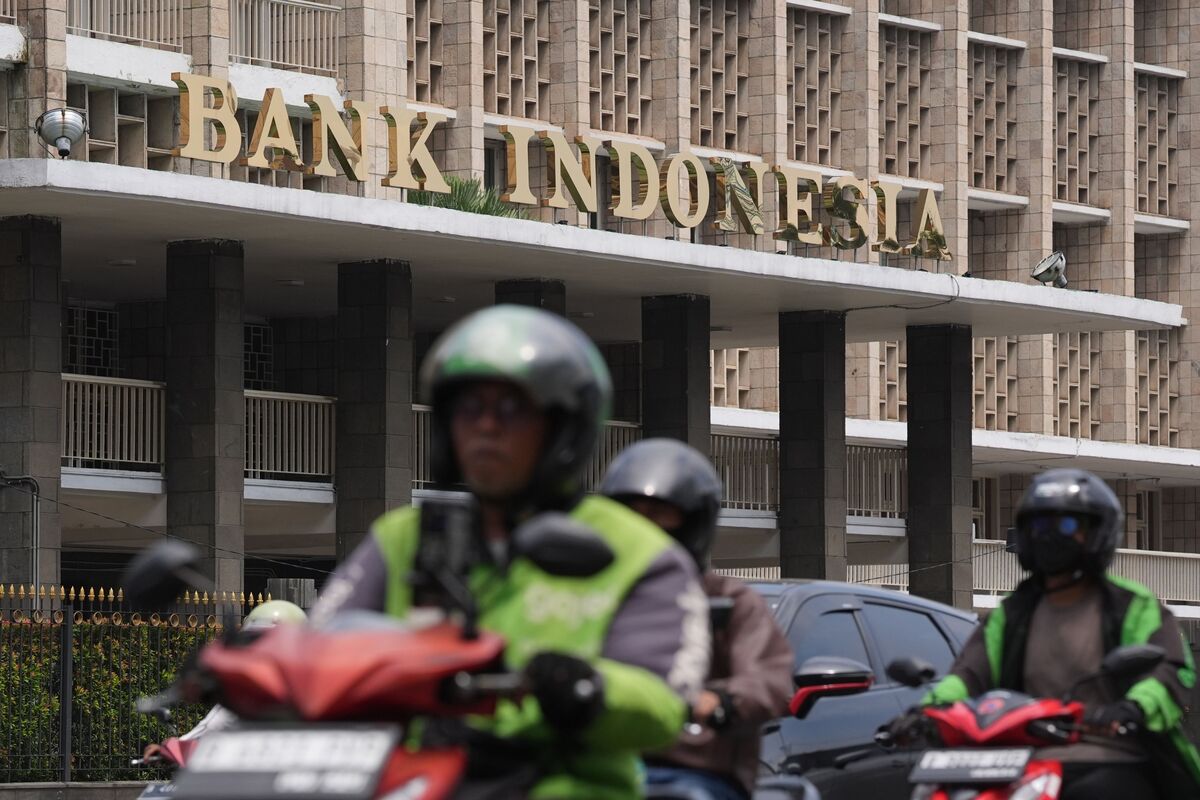
Bank Indonesia (BI) is under mounting pressure to raise interest rates after MSCI’s threat to downgrade Indonesia’s market status triggered capital outflows and weakened the rupiah. Analysts suggest BI may need a "rate-hike turbocharge" to sustainably lift the currency from near-record lows. The rupiah recently hit a three-month low of 18,115 per US dollar.
BI Buys SBN to Stabilize Market
To counter the currency slump and market volatility, Bank Indonesia has actively purchased government bonds (SBN) in the secondary market to inject liquidity. Local reports indicate the 10-year SBN yield breached 7.5%, the highest level since October 2022. BI is also utilizing non-interest rate instruments to attract foreign capital and stabilize the exchange rate.

Local view
Thailand: Baht Stable at 33.78/USD Following the BoT's rate hold, the Thai baht stabilized at 33.78 per US dollar. Krungthai Bank (BAY) and other local analysts expect the rate to remain on hold through the end of 2026, with forecasts suggesting no hike until 2027 to support the economy.

Indonesia: Liquidity Injection of IDR 190 Trillion Indonesian media reports that BI has prepared an additional IDR 190 trillion in banking liquidity to support the financial system. Additionally, the Indonesia Stock Exchange (BEI) will change its JCI calculation method starting November 2, 2026, amid geopolitical risks.

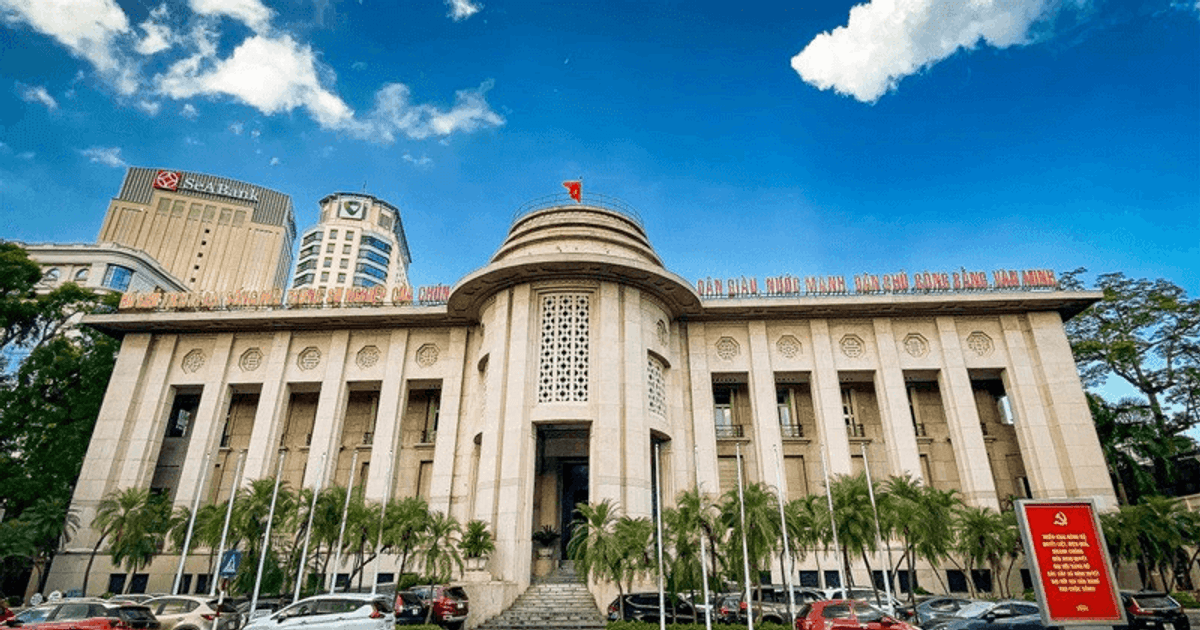
Vietnam: Overnight Rates at 3.85% In Vietnam, the State Bank of Vietnam (SBV) net injected VND 6.3 trillion via open market operations on October 27. Overnight interbank interest rates remained anchored at 3.85%, while commercial bank deposit rates have seen some reductions, though many banks still offer 8-9% annually for savings.
Context & numbers
- Thailand Policy Rate: Held at 1.00%.
- Indonesia BI-Rate: Held at 5.75%, with Deposit Facility raised to 5.00%.
- Rupiah Level: Hit 18,184 per USD on October 28.
- SBN Yield: 10-year government bond yield exceeded 7.5%.
- Thai Baht: Closed at 33.78 per USD.
- Vietnam Overnight Rate: 3.85%.
On the radar
- Indonesia RRR Changes: Phased reductions in rupiah reserve requirements take effect on November 1 and December 1, 2026.
- MSCI Decision: Markets are closely watching for a final decision on Indonesia's potential downgrade to standalone status, which continues to pressure the rupiah and equities.
- Fed Watch: Thai and Indonesian analysts are monitoring the US Federal Reserve's next moves, as diverging policies impact capital flows in the region.
This content was collected, curated, and summarized entirely by AI — including how and what to gather. It may contain inaccuracies. Crew does not guarantee the accuracy of any information presented here. Always verify facts on your own before acting on them. Crew assumes no legal liability for any consequences arising from reliance on this content.
Powered by
