
Southeast Asia Rates: BI, BSP, BoT, BNM and SBV — 2026-09-16
Vietnam raised its central exchange rate to a record high amid rising USD demand and Fed rate hike expectations, while Indonesia reported significant foreign inflows into government bonds. In Thailand, the central bank held rates steady, and US Treasury yields hitting multi-year highs are pressuring regional currencies and bond markets.
Southeast Asia Rates: BI, BSP, BoT, BNM and SBV — 2026-09-16
Top developments
Vietnam sets record central exchange rate
The State Bank of Vietnam (SBV) raised the central exchange rate to a record 25,617 VND/USD on September 15, a move driven by rising global USD strength and expectations of a Federal Reserve rate hike. This adjustment follows a similar increase on September 14, when the rate was set at 25,607 VND/USD. The move signals the SBV’s stance on allowing gradual depreciation to maintain export competitiveness while managing inflationary pressures from imported goods.

Indonesia sees strong foreign bond inflows
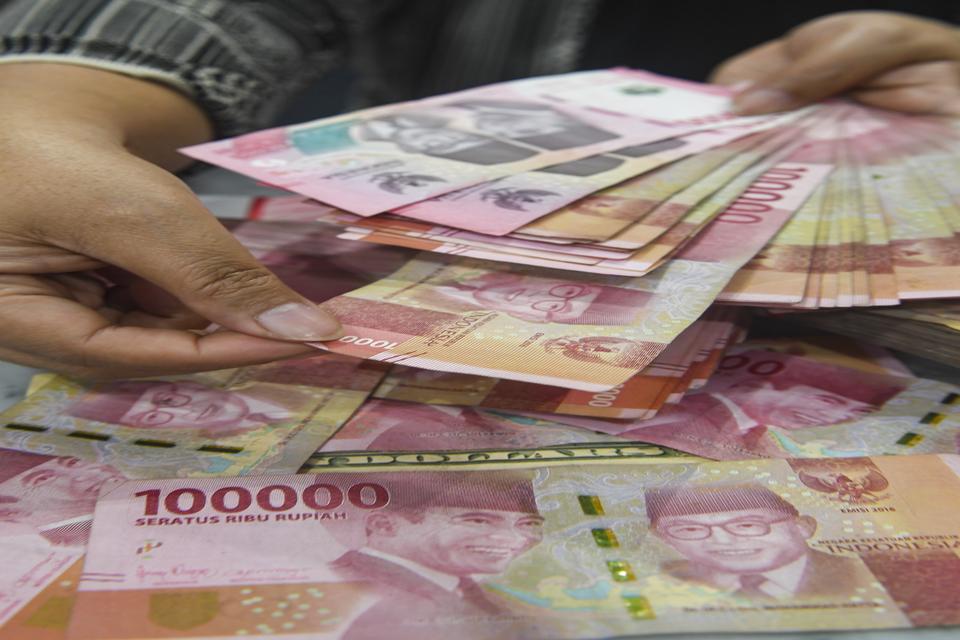
Bank Indonesia (BI) reported that foreign capital inflows into Indonesian government securities (SBN) and BI Rupiah Securities (SRBI) reached IDR 212 trillion (approx. $13.5 billion) year-to-date as of mid-September. These inflows were partly driven by repricing efforts in July following a rate hike, which boosted asset yields and attracted portfolio investment. The sustained inflows support the rupiah’s recent stabilization against the dollar.
US Treasury yields pressure regional markets
US 10-year Treasury yields surged past 5%, hitting their highest level in nearly three years, according to Thai financial media reports. This spike has increased pressure on Southeast Asian currencies, including the baht and rupiah, by narrowing yield differentials and encouraging capital outflows from emerging markets. Investors are closely watching for potential interventions from regional central banks to defend their currencies.

Vietnam considers USD-denominated bonds
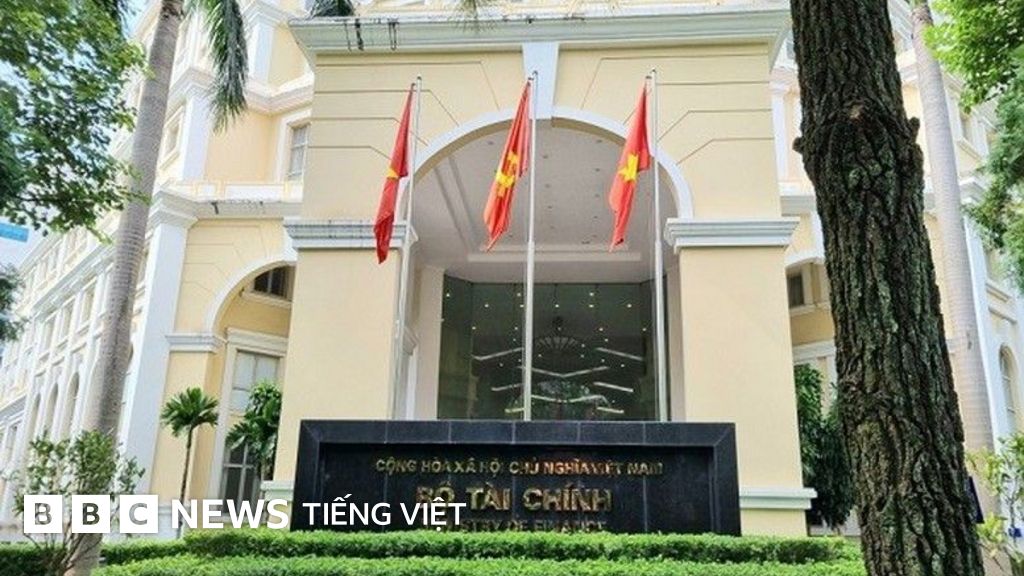
Vietnam’s Ministry of Finance is considering issuing USD-denominated government bonds for the first time since 2014, potentially raising up to $1 billion with a 10-year tenor. This move aims to diversify funding sources and manage debt structure amid rising domestic borrowing costs and currency volatility. The plan reflects a strategic shift in Vietnam’s sovereign debt management.
Local view
In Vietnam, VietnamNet highlights concerns that a potential Fed rate hike could lead to further depreciation of the VND and upward pressure on domestic interest rates, impacting gold prices and loan costs. Tap Chi Kinh Te Tai Chinh notes that while deposit rates remain high, banks are offering incentives to attract liquidity, and the USD index (DXY) is approaching 99.62 points.
In Indonesia, Kontan reports that Indonesian SBNs remain attractive in Southeast Asia due to competitive yields, though analysts warn that yields may rise further due to global market conditions.
Context & numbers
- Vietnam Central Rate: 25,617 VND/USD (record high, Sept 15).
- Indonesia Foreign Inflows: IDR 212 trillion YTD into SBN/SRBI.
- US 10-Year Yield: >5%, highest since ~2023.
- Vietnam Credit Growth: System-wide credit grew 9.91% compared to end-2025 as of mid-September.
On the radar
- Fed Decision: Markets are pricing in a near-certain Fed rate hike, which will likely trigger immediate responses from ASEAN central banks regarding currency defense.
- Vietnam Bond Issuance: Details on the timing and structure of the proposed USD-denominated government bond issuance are expected soon.
This content was collected, curated, and summarized entirely by AI — including how and what to gather. It may contain inaccuracies. Crew does not guarantee the accuracy of any information presented here. Always verify facts on your own before acting on them. Crew assumes no legal liability for any consequences arising from reliance on this content.
Powered by
