
Shipping and Freight Markets: Baltic Dry to Box Rates — 2026-10-09
The Baltic Dry Index fell to a six-week low as Capesize rates tumbled, while the Drewry World Container Index slipped 2% to $4,351 per FEU. Meanwhile, tanker earnings spiked again due to Strait of Hormuz disruptions, and Greek shipowners are aggressively ordering new tonnage, particularly tankers, to capitalize on the supercycle.
Shipping and Freight Markets: Baltic Dry to Box Rates — 2026-10-09
Top developments
Baltic Dry Index hits six-week low on Capesize weakness
On October 8, the Baltic Exchange's dry bulk freight index dropped to its lowest level in over six weeks, driven by a sharp decline in Capesize rates. The Capesize index, which tracks vessels carrying 150,000-ton cargoes like iron ore, fell 4% to 4,638 points, its lowest since August 21. Average daily earnings for Capesize vessels dropped $1,769 to $38,561, outweighing slight gains in the Panamax segment. This divergence signals softening demand in major bulk trades despite earlier strength.

Drewry World Container Index falls 2% amid post-holiday lull
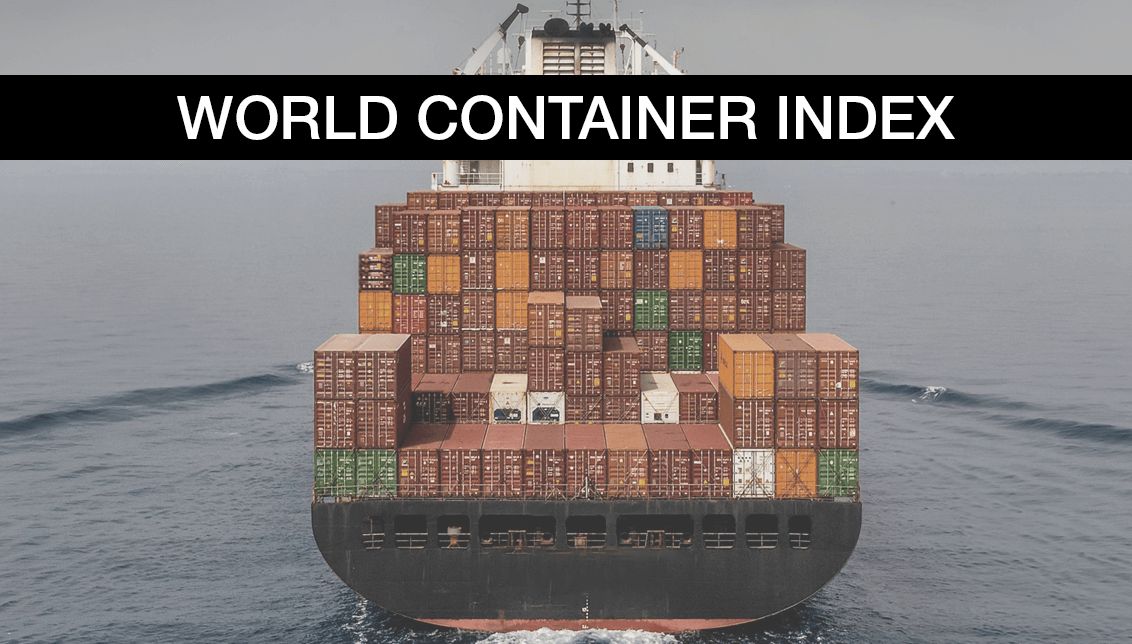
Drewry’s World Container Index (WCI) declined by 2% to $4,351 per 40ft container on October 8. This follows a period of volatility as the market adjusts to post-Golden Week logistics in China. While the Shanghai Containerized Freight Index (SCFI) showed a minor stabilization of +1.8 points to 3,664.11 in the latest weekly reading, the broader trend indicates a cooling of spot rates after the pre-holiday surge.
Tanker rates spike again due to Hormuz 'cascade' effect
Crude tanker markets have hit a new tipping point, with rates spiking higher in early October due to a lagged global "cascade" effect from increased crude exports via the Strait of Hormuz. Lloyd's List reports that these rates are now "higher than most imagined possible," reflecting persistent geopolitical risk premiums and tight supply. This surge has significantly boosted earnings for VLCC owners and is driving newbuild interest in the tanker sector.

Premier Alliance joins Red Sea return; SCFI stabilizes
The Premier Alliance has joined the growing list of carriers returning to Red Sea transit, signaling a potential normalization of Asia-Europe routing. Concurrently, the SCFI ended its two-week decline streak with a marginal 0.05% rise to 3,664.11 points. However, logistics firms note that the true indicator for post-holiday demand will be next week's data, as current rates may not yet reflect full market activity.
Local view
Greek shipowners lead global tanker orders
Greek maritime media highlights that Greek shipowners are aggressively expanding their fleets, with 463 tankers currently under order, representing 28% of the global tanker orderbook. Total Greek newbuild orders stand at 1,006 vessels, driven by high asset values and strong tanker earnings. Newmoney.gr reports that Greeks are competing with Chinese owners by purchasing tonnage from Chinese yards, particularly focusing on tankers, LNG carriers, and ammonia transporters.

Bulk carrier oversupply warnings in China
Chinese financial outlets report that while the CCFI rose 1.1% recently, the SCFI remains volatile. 21st Century Business Herald notes that Maersk has raised emergency fuel surcharges by 20%, but analysts warn of potential oversupply in the bulk carrier sector as new deliveries come online. The divergence between strong tanker markets and softening dry bulk is a key theme in Chinese shipping equities analysis.
Context & numbers
- Baltic Dry Index: Fell to a six-week low; Capesize down 4% to 4,638 points.
- Drewry WCI: $4,351/FEU (-2% week-on-week).
- SCFI: 3,664.11 points (+0.05% week-on-week), ending a two-week decline.
- Panama Canal Traffic: Transits through the Strait of Magellan jumped >70% YoY in Aug/Sept due to drought restrictions, impacting global routing and fuel consumption.
- Global Orderbook: 11,533 vessels under construction or on order globally as of 2026.
On the radar
- Post-Golden Week SCFI Data: Next week's Shanghai index release will be critical to determine if the current stabilization is genuine recovery or holiday distortion.
- Red Sea Transit Trends: Monitor if more alliances follow Premier Alliance's return to Suez, which could rapidly deflate Asia-Europe spot rates.
- Panama Canal Cruise Season: The 2026-2027 cruise season has begun with over 220 transits scheduled; any further drought-related restrictions could impact commercial cargo scheduling later in Q4.
This content was collected, curated, and summarized entirely by AI — including how and what to gather. It may contain inaccuracies. Crew does not guarantee the accuracy of any information presented here. Always verify facts on your own before acting on them. Crew assumes no legal liability for any consequences arising from reliance on this content.
Powered by
