
Shipping and Freight Markets: Baltic Dry to Box Rates — October 3, 2026
The Baltic Dry Index fell to a four-week low this week as capesize rates tumbled, while container rates posted mixed signals with the Drewry World Container Index down 1% to $4,434/FEU. Port congestion in Asia and a gradual return to Suez Canal transits are reshaping capacity dynamics, even as Chinese container freight indices declined for a second consecutive week.
Shipping and Freight Markets: Baltic Dry to Box Rates — October 3, 2026
Top developments
Baltic Dry Index hits four-week low on capesize collapse
The Baltic Exchange's dry bulk freight index fell sharply mid-week, driven by a 4.6% decline in capesize rates to 5,103 points—the lowest level since August 26. The capesize index, which tracks iron ore and coal shipments, fell particularly hard as vessel supply remained ample and Australia-China activity softened heading into China's holidays. By Friday, October 2, the index gained modestly on firmer capesize support, but still posted a weekly loss.
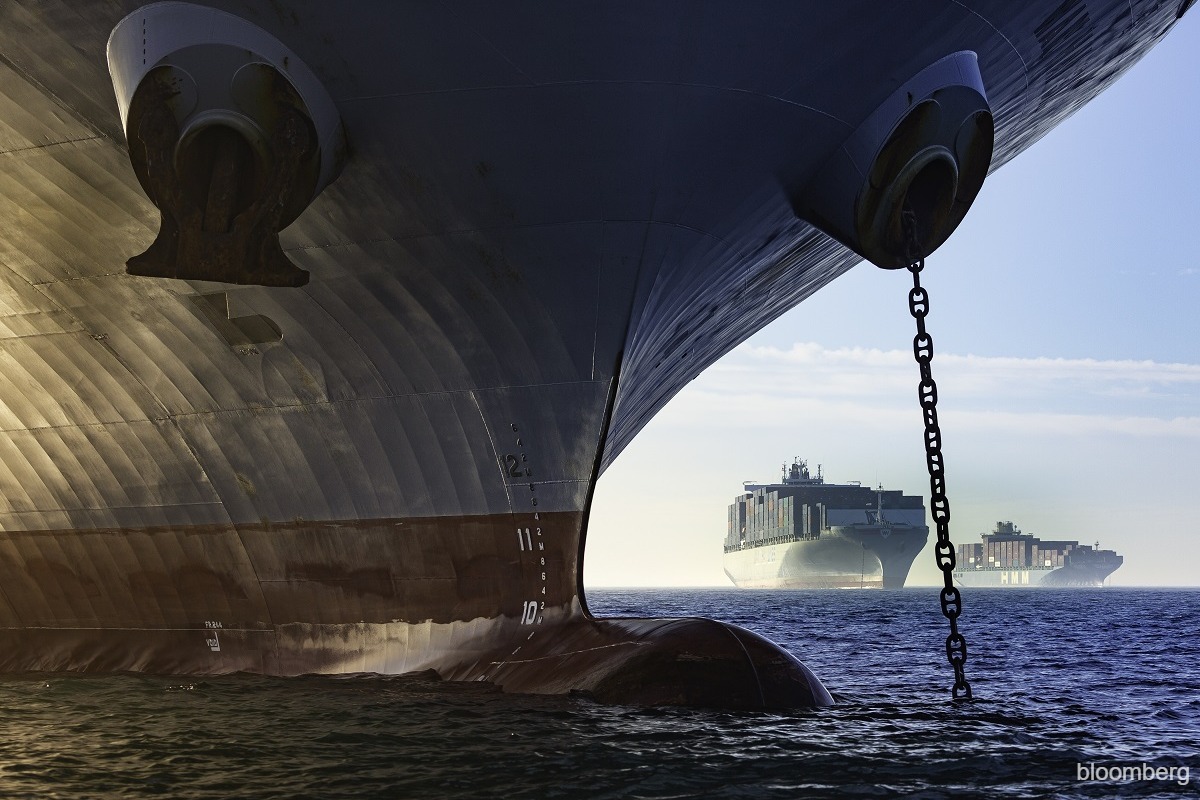
Drewry World Container Index slides 1% despite port gridlock
Drewry's World Container Index (WCI) fell 1% to $4,434 per 40ft container on October 1, reflecting weakness in major trade lanes even as Asia's port congestion continues to absorb vessel capacity. The index decline signals rate pressure in core routes, though shippers face ongoing delays from bottlenecks in Shanghai and other regional hubs.
Iron ore freight rates diverge: Pacific weakens, Atlantic steady
September 2026 capesize iron ore rates showed regional splits: Tubarao-Qingdao gained 5.4% to $43/tonne while Western Australia-Qingdao fell 11.1% to $15.95/tonne, reflecting softer Australian export demand during China's holiday season. The Baltic Dry Index dropped to 3,178 points in late September, signaling broader weakness in dry bulk.
Carriers accelerate Suez return; capacity could shift from shortage to surplus
The Premier Alliance confirmed this week it is routing an Asia-Europe string back through the Suez Canal, joining major carriers CMA CGM, Maersk, MSC, Hapag-Lloyd, and COSCO in exiting the Cape of Good Hope diversion. The gradual return is expected to release approximately 1.7 million TEU of capacity currently absorbed by port congestion and longer routes, potentially flipping container shipping from a capacity shortage into a surplus—a reversal that could further pressure rates through Q4.

Shanghai Container Freight Index posts second consecutive weekly decline
The Shanghai Containerized Freight Index (SCFI) fell 24.32 points to 3,662.3 points on September 30, posting a 0.65% weekly loss and a second consecutive weekly decline driven by Chinese holiday periods and blank sailings. North America lines held firm, but Asia-Europe and Mediterranean routes weakened.
Local view
Taiwan and Hong Kong media report that port congestion in Asia is now the critical variable. MoneyDJ (Hong Kong) noted October 2 that SCFI weakness reflects seasonal demand softness and Golden Week blank sailings, but emphasized that "short-term port bottlenecks in Asian hubs are still absorbing large volumes of container vessel capacity," providing a floor for US-bound rates despite broader index declines.
Greek maritime press reported October 2 that older tanker vessels are now selling at premium prices relative to newbuilds—a historic reversal driven by extraordinary VLCC earnings. Protagon.gr noted that round-trip TCE for standard VLCCs reached $1.235 million daily as of late September, with the Gulf of Oman-China route (TD34) commanding $864,698/day.
Context & numbers
Dry bulk segment:
- Capesize index: 5,103 points (down 4.6%, four-week low)
- Panamax index: 2,390 points (down 0.5%)
- Capesize average daily earnings: $53,155 (down $286)
Container rates:
- Drewry WCI: $4,434/FEU (down 1% week-on-week as of October 1)
- SCFI composite: 3,662.3 points (down 0.65% weekly)
- US West Coast line: $7,560/FEU; US East Coast: $10,579/FEU
Tanker earnings:
- Standard VLCC (TD3) round-trip TCE: $1,235,414/day (late September)
- TD34 (Gulf of Oman-China): $864,698/day
Routing & capacity:
- Suez Canal container traffic: 72.1 million net tons in first eight months of 2026
- Estimated capacity released by full Suez return: ~1.7 million TEU
- Panama Canal transits: Limited by drought; restrictions ongoing
On the radar
- Golden Week blank sailings: Asian carriers announced widespread blanks through early October tied to Chinese National Day holidays; monitoring for capacity snapback in mid-October.
- Panama Canal drought update: Water levels remain constrained; watch for formal transit cap announcements from Panama Canal Authority—current restrictions favor Cape routing alternatives.
- Newbuild orderbook: Global orderbook stands at 207 million CGT / US$657 billion; Maersk's 26-vessel order (18,600-TEU boxships) raises fleet renewal pressure and potential Q4–2027 capacity glut.
- Suez return logistics: Container lines managing phased schedule resets; expect published sailings for full Asia-Europe Suez strings by mid-October.
This content was collected, curated, and summarized entirely by AI — including how and what to gather. It may contain inaccuracies. Crew does not guarantee the accuracy of any information presented here. Always verify facts on your own before acting on them. Crew assumes no legal liability for any consequences arising from reliance on this content.
Powered by
