
Shipping and Freight Markets: Baltic Dry to Box Rates — 2026-09-12
The Baltic Dry Index (BDI) surged to a nearly three-year high this week, driven by a "perfect storm" of strong iron ore demand and geopolitical tensions in the Middle East. Meanwhile, container spot rates remain elevated as the Shanghai Containerized Freight Index (SCFI) posted its seventh consecutive weekly gain, supported by Red Sea rerouting and Panama Canal restrictions. Tanker rates have also spiked to record levels amid Strait of Hormuz tensions, signaling a deepening energy logistics crisis.
Shipping and Freight Markets: Baltic Dry to Box Rates — 2026-09-12
Top developments
Baltic Dry Index Breaks Out to Near 3-Year High
The Baltic Dry Index rose significantly this week, with Trading Economics reporting the index at 3,507 points on September 11, up 19.33% over the past month and up nearly 65% year-on-year. This breakout is attributed to a "perfect storm" of factors, including robust Capesize demand driven by iron ore trade and supply-side constraints. Earlier in the week, the index had already jumped 5.5% to 3,331 points, touching its highest level since December 2023, with Capesize rates surging over 8%. For freight desks, this signals a tight dry bulk market where spot earnings for large carriers are at multi-year peaks, increasing volatility for raw material shippers.
SCFI Posts Seventh Consecutive Weekly Gain
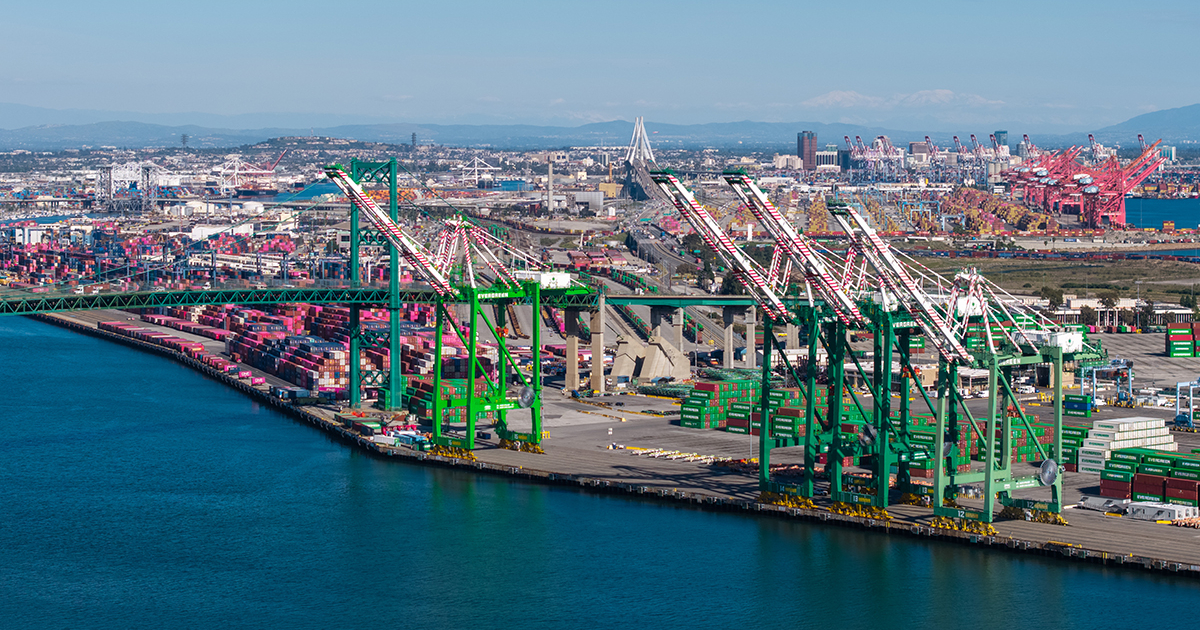
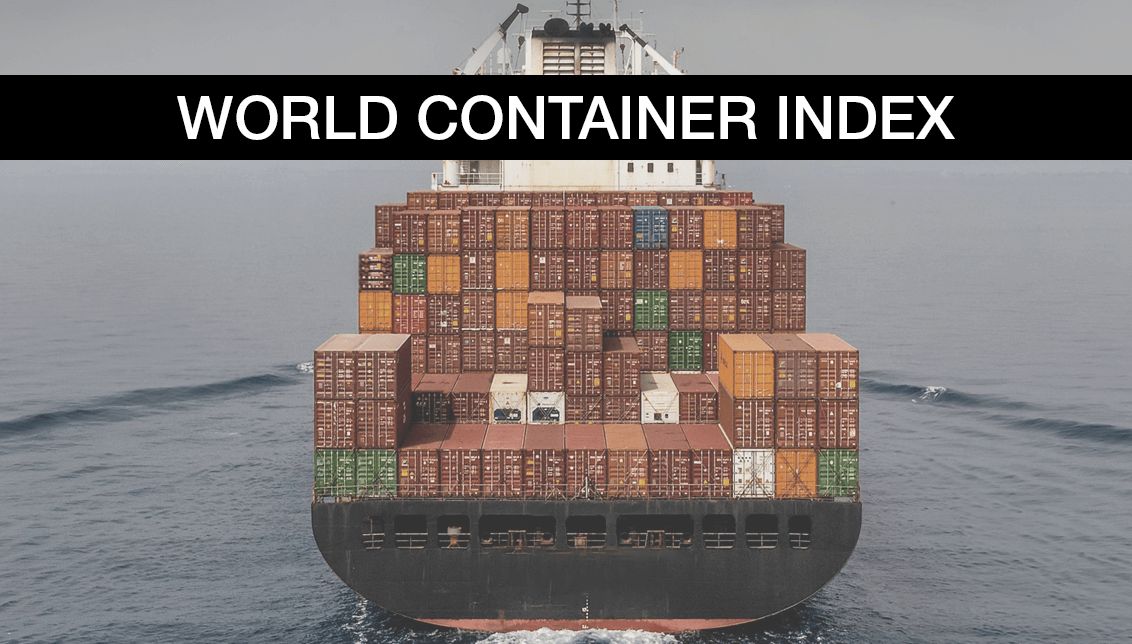
The Shanghai Containerized Freight Index (SCFI) continued its upward trajectory, rising 2% to 3,662.18 points on September 11, marking its seventh straight week of increases. North American routes remained particularly strong, while Southeast Asia lanes also showed resilience. This sustained climb is fueled by ongoing disruptions, including Red Sea transit risks, Panama Canal water level constraints, and pre-holiday inventory buildup ahead of China’s Golden Week. Drewry’s World Container Index (WCI) remained stable at $4,476 per 40ft container for the second consecutive week, indicating that while spot rates are high, they have plateaued slightly in some major corridors.
Tanker Rates Surge Amid Strait of Hormuz Tensions
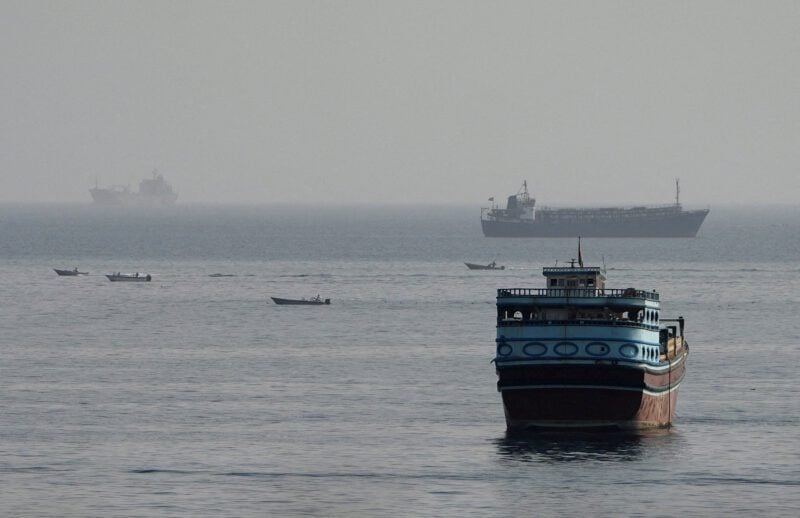
Global tanker freight rates are hitting record levels as tensions between Iran and the US escalate around the Strait of Hormuz, with Iran announcing plans for a wider exclusion zone near the strait. This geopolitical risk is forcing longer, more complex routing for energy cargoes, driving up demand for tonnage and pushing tanker earnings to unprecedented highs. Greek shipowners are capitalizing on this trend, with more than one in four tankers currently under construction globally destined for Greek owners, reflecting high confidence in sustained tanker demand through 2030.
Mediterranean Rates Converge with Asia-Europe Due to Red Sea Bumps
Ocean rates on the Mediterranean route have pulled even with Asia-Europe lanes, possibly due to increased Red Sea transit activity and associated security premiums. While some carriers are slowly returning to Suez transits, the number of vessels using the Bab el Mandeb strait remains below pre-crisis levels, keeping capacity tight and rates elevated. This convergence suggests that the "Red Sea discount" for Mediterranean shipments has evaporated, complicating cost forecasting for European importers.
Local view
Greek Maritime Sector Capitalizes on Tanker Boom Greek shipping news outlets report a massive shift in investment strategy, with local stakeholders prioritizing tanker newbuilds over dry bulk. PowerGame.gr highlights that Greek owners are investing $40 billion in tanker fleets, with deliveries scheduled up to 2030. Meanwhile, Naftemporiki.gr notes a "boom" in tanker orders following the Hormuz disturbances, as asset values for both new and second-hand tankers surge. However, Naftika Chronika reports that second-hand tanker values have inflated to the point where they sometimes exceed newbuild prices, raising concerns about asset bubbles.
Chinese Media Tracks SCFI Momentum Taiwan’s United Daily News (UDN) reports that the SCFI’s seven-week rally is being driven by a combination of Middle East conflicts, Panama Canal droughts, and China’s upcoming National Day holiday. Local analysts note that while North American rates are strong, European routes are seeing mixed movement, with some carriers attempting to stabilize prices amid persistent congestion.
Context & numbers
- Baltic Dry Index (BDI): 3,507 points (Sept 11), up 19.33% MoM.
- Capesize Earnings: Average daily earnings for Capesize bulk carriers hit $45,651, an increase of $2,706 from previous levels.
- SCFI: 3,662.18 points (Sept 11), up 2% week-on-week.
- Drewry WCI: Stable at $4,476 per FEU.
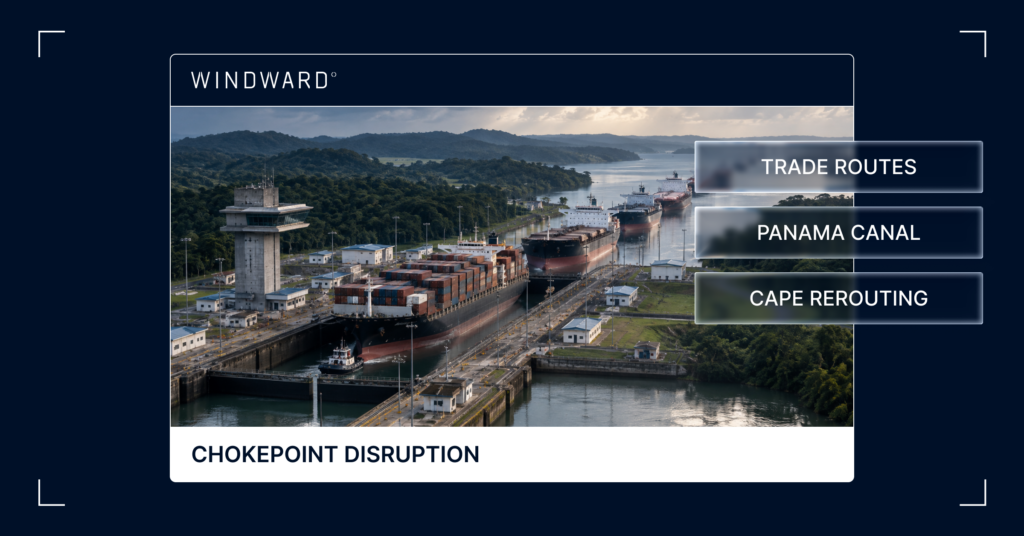
- Panama Canal Transits: Restricted to approximately 32 transits per day due to El Niño-induced water shortages.
- Suez Transits: Running at 60% below normal volumes, despite some gradual return of carriers.
On the radar
- China Golden Week Impact: Shippers should monitor late September for potential rate spikes or blank sailings as factories close for the National Day holiday, which typically disrupts supply chains and tightens capacity in October.
- Strait of Hormuz Exclusion Zone: Watch for implementation details on Iran’s announced wider exclusion zone, which could force further detours for VLCCs and impact global crude oil logistics.
- Panama Canal Water Levels: Continued monitoring of El Niño effects on Gatun Lake levels, as further cuts to daily transits could exacerbate US East Coast port congestion.
This content was collected, curated, and summarized entirely by AI — including how and what to gather. It may contain inaccuracies. Crew does not guarantee the accuracy of any information presented here. Always verify facts on your own before acting on them. Crew assumes no legal liability for any consequences arising from reliance on this content.
Powered by
