
South Africa and Nigeria Rates: SARB, CBN, Bonds — 2026-10-21
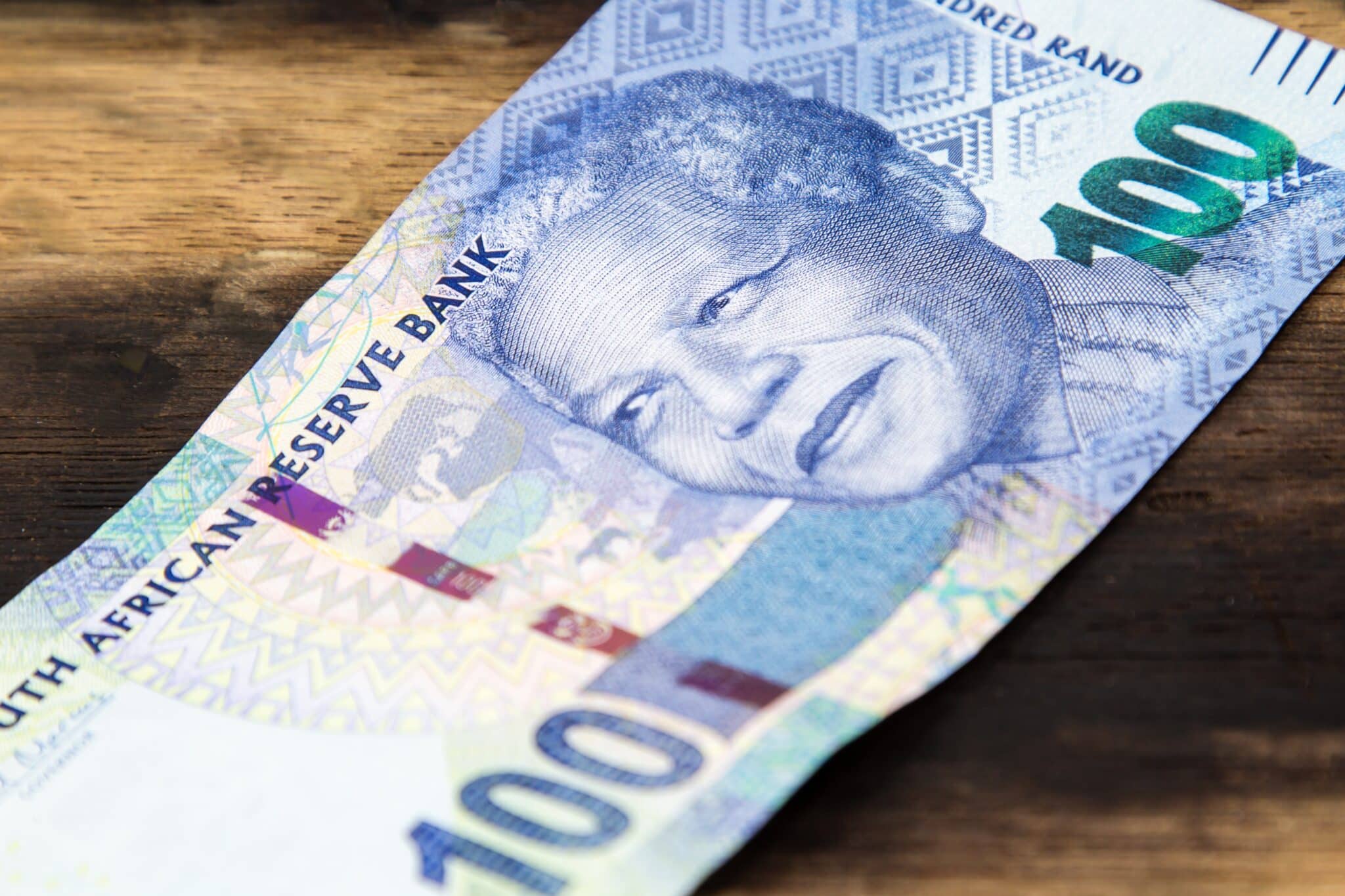
South Africa’s government announced a mid-year budget review featuring a narrowed deficit of 3.9% of GDP and a reduction in weekly bond auctions to demonstrate fiscal discipline, causing the rand to hold steady. Meanwhile, Nigeria’s 10-year bond yields rose despite global benchmark declines, as the Central Bank of Nigeria (CBN) faces pressure from high debt service costs and a projected naira range of N1,290–N1,370/$.
South Africa and Nigeria Rates: SARB, CBN, Bonds — 2026-10-21
Top developments
South Africa cuts bond supply to signal fiscal discipline
On October 21, South Africa’s government announced it would reduce the volume of fixed-rate bonds sold weekly and launch a bond buyback program to lower debt levels. This move is part of a broader effort to showcase fiscal responsibility, with the mid-year budget review revealing that the budget deficit has narrowed to 3.9% of GDP and debt is stabilizing at 78.4%, though growth forecasts were cut to 1.2%. The rand remained steady following the announcement, as investors awaited clarity on the country’s fiscal outlook and credit-rating prospects.
Nigeria’s 10-year bond yield rises against global trend
Nigeria’s 10-year government bond yield increased by 46 basis points to 17.05% in the week ended October 16, 2026, diverging from declines seen in the US, South Africa, and Kenya. This rise occurred even as the Debt Management Office (DMO) allotted N1.22 trillion at its October 19 FGN bond auction, a 63.5% increase from September’s allotment. The higher stop rates reflect persistent pressure in the Nigerian debt market despite recent easing of monetary policy.

Deutsche Bank declares naira undervalued
On October 19, Deutsche Bank added Nigeria to its frontier currency monitor, stating that the naira is undervalued due to attractive real yields and carry. Despite this institutional backing, the naira weakened slightly to N1,332.26/$ at the Nigerian Foreign Exchange Market (NFEM) on October 16, though fundamental analysis projects the currency to hold between N1,290 and N1,370/$ through October.
Treasury bill yields drop as naira sentiment improves
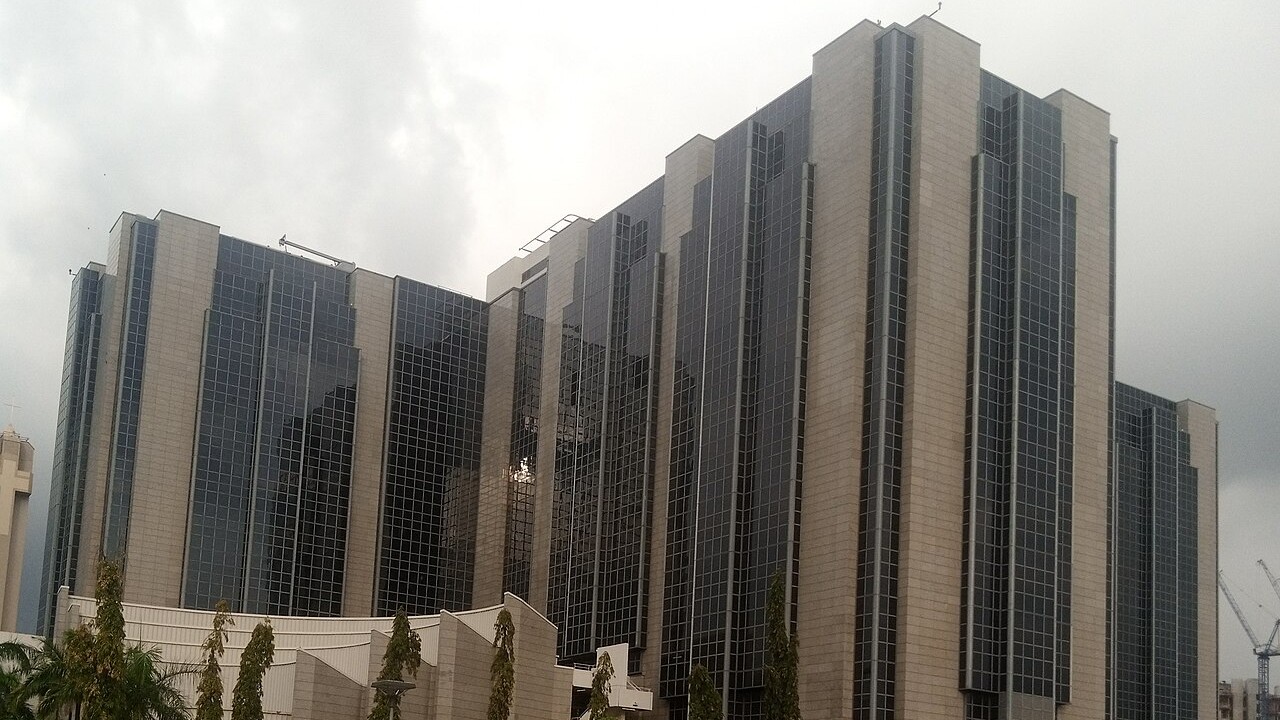
In the secondary market, yields on Nigerian Treasury bills declined as improved macroeconomic indicators boosted investor appetite for naira assets. However, at the primary auction on October 14, the DMO rejected approximately 74% of N1.032 trillion in subscriptions, accepting only N269.06 billion, and raised the one-year rate to 15.90% for the first time since August.
Local view
Hausa media highlights debt service crisis
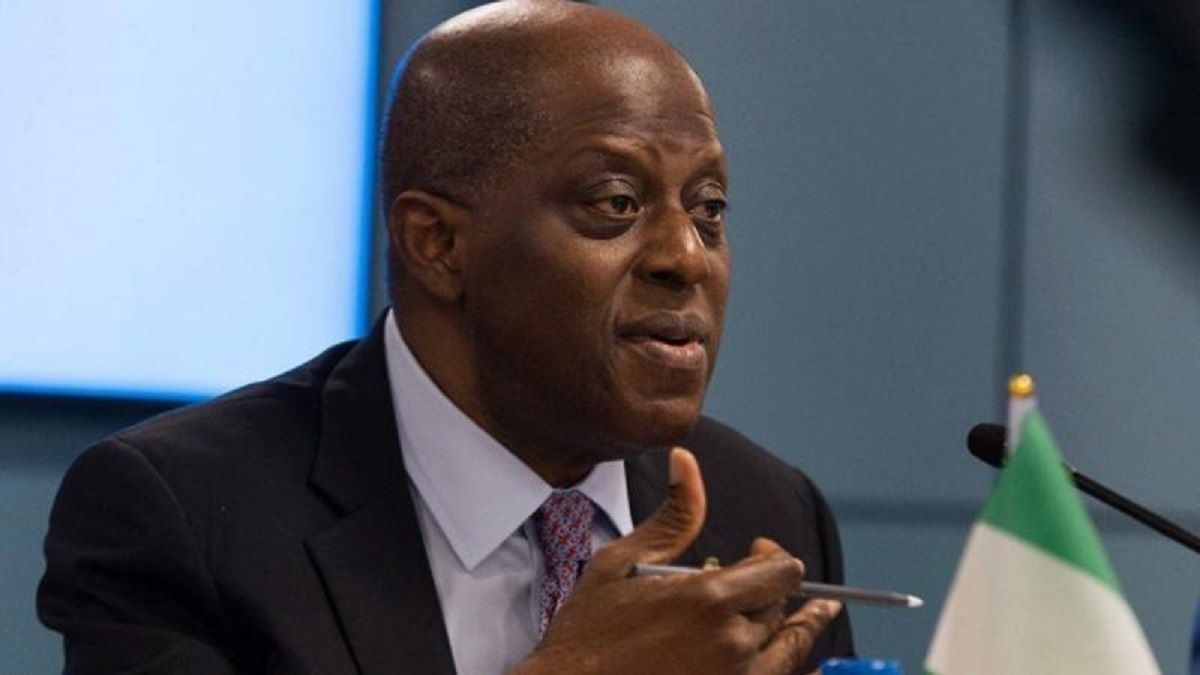
Hausa-language outlets are focusing heavily on the World Bank’s warning that Nigeria’s debt service costs have exceeded government revenue. BBC News Hausa reported that the World Bank's Nigeria Development Update (NDU) highlighted that debt service consumed 124% of government revenue in the first half of 2026, raising concerns about the sustainability of borrowing. RFI Hausa noted that the Nigerian government has dismissed these reports, arguing that the data does not reflect the full economic picture.
CBN Governor cites reserve growth
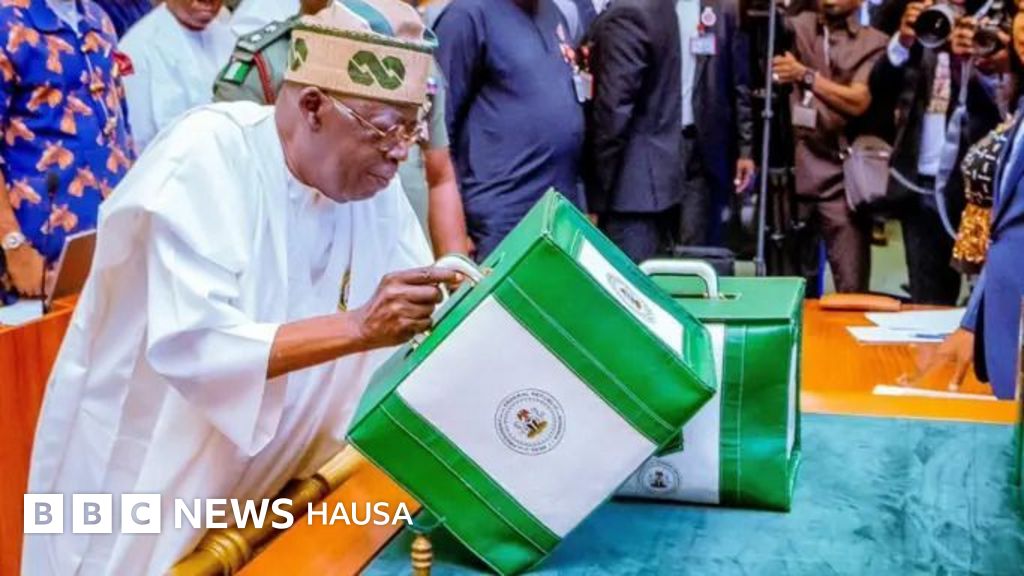
Hausa media also highlighted the Central Bank of Nigeria’s (CBN) claim that foreign exchange reserves have risen to $55.25 billion, reducing pressure on the foreign exchange market. The CBN attributed this increase to improved diaspora remittances and foreign investment inflows, positioning it as a key pillar for naira stability.
Context & numbers
South Africa:
- Policy Rate: 7.25% (raised by 25 bps in September 2026).
- Budget Deficit: Narrowed to 3.9% of GDP.
- Debt-to-GDP: Stabilizing at 78.4%.
- Growth Forecast: Cut to 1.2%.
Nigeria:
- Policy Rate: 23% (reset from 26.5% in September 2026).
- 10-Year Bond Yield: 17.05% (week ended Oct 16).
- Inflation Rate: 14.63% (September 2026).
- Naira Rate: N1,332.26/$ (NFEM, Oct 16).
- FX Reserves: $55.25 billion.
On the radar
- South Africa SARB MPC: Investors are awaiting the next South African Reserve Bank Monetary Policy Committee decision, with recent data suggesting a pause or gradual cuts as inflation subsides.
- Nigeria CBN MPC: The next Central Bank of Nigeria Monetary Policy Committee meeting is scheduled for November, where analysts will watch for further easing signals following the recent rate cut.
- Fuel Subsidy Debate: Political pressure is mounting in Nigeria regarding fuel subsidies, with opposition candidates promising to reinstate them if elected in 2027, a factor that could impact future inflation and fiscal policy.
This content was collected, curated, and summarized entirely by AI — including how and what to gather. It may contain inaccuracies. Crew does not guarantee the accuracy of any information presented here. Always verify facts on your own before acting on them. Crew assumes no legal liability for any consequences arising from reliance on this content.
Powered by
