
South Africa and Nigeria Rates: SARB, CBN, Bonds — October 4, 2026
South Africa's rand headed for its fourth consecutive weekly loss as global dollar strength and rising yields pressured emerging markets, while Nigeria's central bank absorbed a net US$5 billion in September OMO operations despite heavy liquidity inflows from maturing securities. Both central banks face diverging inflation challenges: SARB raised rates to 7.25% last week, whereas CBN's prior rate cuts have fueled T-bill yield declines and FGN bond demand surges as investors hunt for still-attractive naira returns.
South Africa and Nigeria Rates: SARB, CBN, Bonds — October 4, 2026
Top developments
South African rand posts fourth weekly loss amid dollar strength and rising yields
The South African rand weakened significantly through late September and early October, tracking toward a nearly 2% weekly decline by October 2. Pressure came from a stronger U.S. dollar and rising global bond yields as investors reduced exposure to riskier emerging-market assets.


SARB raises policy rate to 7.25% amid fuel-driven inflation pressures
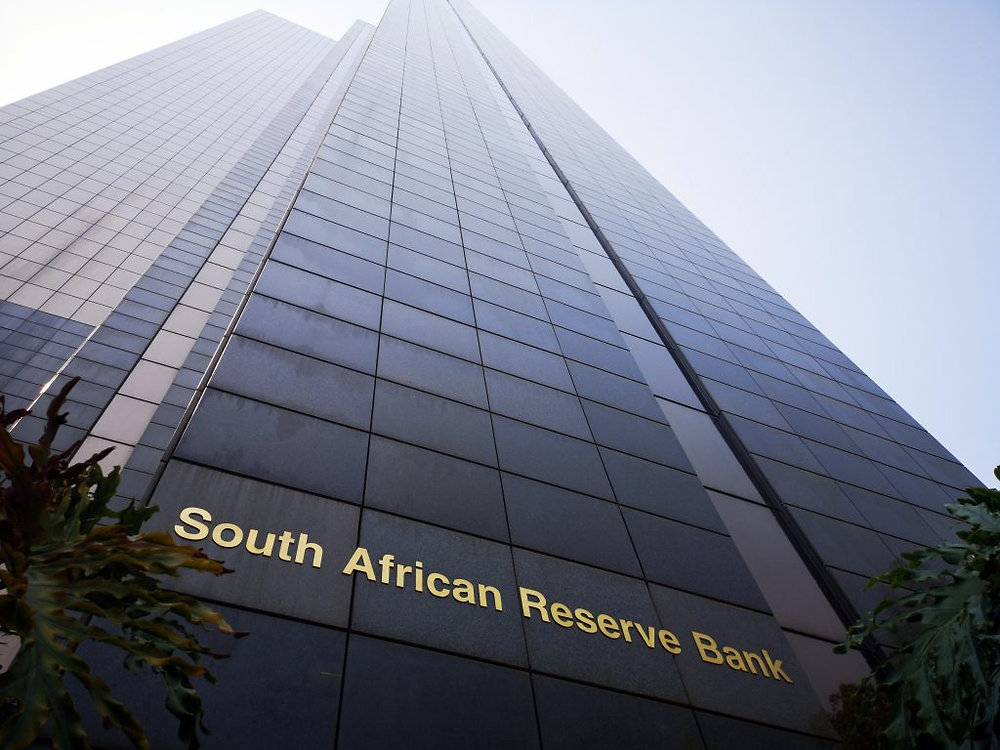
The South African Reserve Bank's Monetary Policy Committee voted unanimously on September 25 to raise the repo rate by 25 basis points to 7.25%, bringing the prime lending rate to 10.75%. Governor Lesetja Kganyago cited rising fuel prices driving higher inflation expectations as the rationale for the hike.
CBN absorbs net US$5 billion in OMO operations during September liquidity surge
Nigeria's central bank sold approximately N17.51 trillion in Open Market Operations bills during September 2026, while absorbing roughly N13.2 billion equivalent to US$13.2 billion in net OMO mop-up. However, US$8.2 billion in maturing OMO bills rolled back into the banking system, resulting in a net liquidity withdrawal of roughly US$5 billion. This reflected the CBN's struggle to sterilize excess liquidity following its sharp rate cuts earlier in the year.
Nigerian T-bill yields hit 2026 lows; FGN bond allotments surge 106% year-on-year
Treasury bill yields in Nigeria's secondary market declined by 90 basis points as investors increased bets on naira assets following the CBN's aggressive rate-cutting cycle. Separately, FGN bond allotments jumped 106% to N7.15 trillion in the first nine months of 2026 compared to N3.48 trillion in the same 2025 period, signaling strong foreign and domestic appetite despite CBN's liquidity challenges.

Naira holds steady at ₦1,329/$ as reserves stabilize
As of October 3, the Nigerian naira remained relatively stable at ₦1,329 per U.S. dollar on the official NAFEM market, supported by CBN's accumulated foreign exchange reserves.
Local view
South Africa: Rosestad (Afrikaans media) reported on the SARB's 25-basis-point rate increase, noting Governor Kganyago's emphasis on fuel price-driven inflation as a key driver of the committee's unanimous decision.
Nigeria: BBC Hausa and Legit Hausa reported on CBN efforts to promote naira care and manage liquidity, with the central bank urging merchants and citizens in Kano State to handle naira notes carefully to extend their lifespan and reduce replacement costs.
Context & numbers
South Africa:
- SARB repo rate: 7.25% (up 25 bps, effective September 25)
- Prime lending rate: 10.75%
- Rand weekly loss: ~2% heading into October 2
Nigeria:
- CBN OMO sales (September): N17.51 trillion
- Net OMO absorption: ~US$5 billion
- FGN bond allotments (Jan–Sep 2026): N7.15 trillion (vs. N3.48 trillion in 2025 YTD)
- Naira/dollar (NAFEM, Oct 3): ₦1,329/$
- T-bill yield decline (secondary market): 90 bps
- Nigeria inflation (August): 15.39% (down from 15.43% in July)
On the radar
- South African bond auction demand: Investors snapped up relatively high yields on government debt in late September ahead of rate and inflation decisions, signaling continued foreign appetite despite rand weakness.
- CBN liquidity management: Maturity calendars show continued large OMO and FGN bond rollovers through Q4 2026; the CBN may need additional sterilization tools if inflation remains sticky above 15%.
- Naira mid-term outlook: CBN's large reserve buffer (highlighted in recent commentary) is preventing sharp depreciation spirals despite global shocks, though peso weakness in regional context bears monitoring.
- SARB rate trajectory: With fuel prices volatile and inflation expectations rising, markets are pricing in potential additional 25-bp hikes in coming meetings, though growth headwinds remain.
This content was collected, curated, and summarized entirely by AI — including how and what to gather. It may contain inaccuracies. Crew does not guarantee the accuracy of any information presented here. Always verify facts on your own before acting on them. Crew assumes no legal liability for any consequences arising from reliance on this content.
Powered by
