
South Africa and Nigeria Rates: SARB, CBN, Bonds — 2026-10-30
The South African rand weakened against the US dollar amid rising oil prices and producer inflation data, while the Nigerian naira held steady at the N1,350/$ baseline. In Nigeria, the Debt Management Office rejected massive bids to push down Treasury bill rates, signaling a shift in liquidity management despite high bank deposits at the Central Bank.
South Africa and Nigeria Rates: SARB, CBN, Bonds — 2026-10-30
Top developments
Rand weakens on oil and producer inflation data
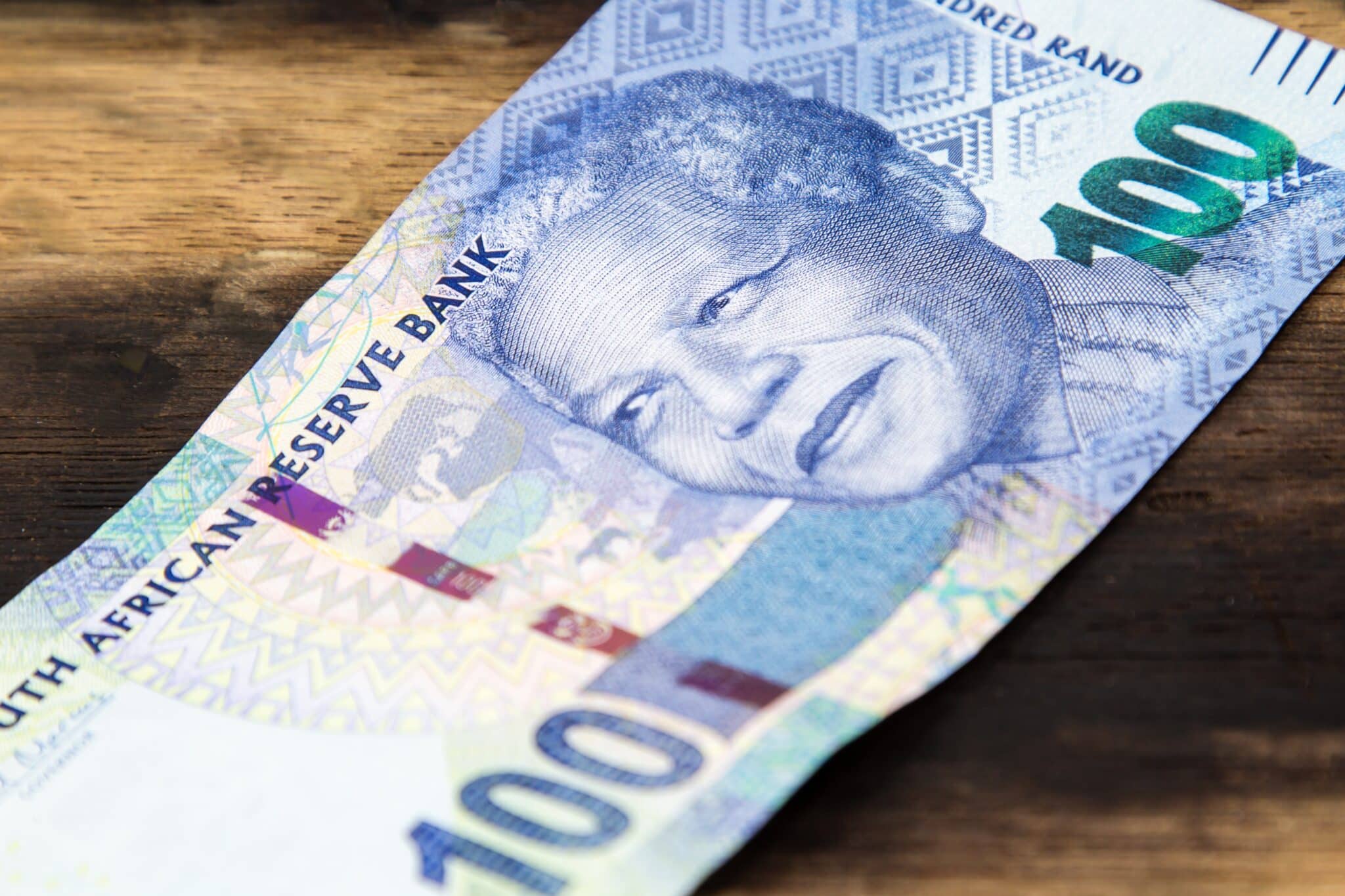
The South African rand softened in early trade on Thursday, October 29, as declines in gold and platinum prices weighed on the commodity-linked currency. Investors were also looking ahead to local producer inflation data released later that day, which is a key leading indicator for the South African Reserve Bank's (SARB) inflation outlook. The currency had already come under pressure on Wednesday, October 28, due to higher global oil prices fueling inflation concerns ahead of the US Federal Reserve’s policy decision.

Naira holds baseline despite US yield movements
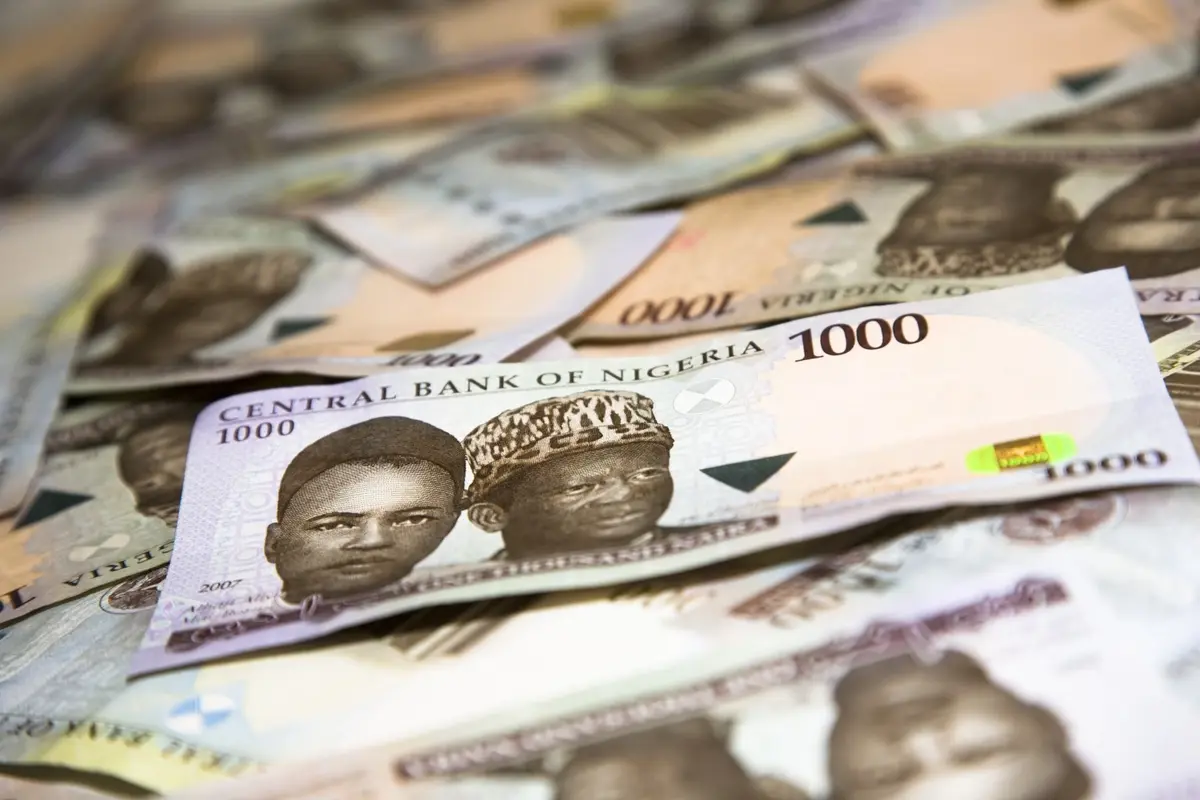
The Nigerian naira maintained the N1,350/$ baseline on October 29, despite attractive US yields following the Federal Reserve's decision to hold rates. Nairametrics noted that the Fed's pause provided a distinct transmission channel for the USD/NGN exchange rate, helping to stabilize the local currency against external pressure.
DMO rejects N1.84 trillion bids to lower T-bill rates
In a significant move by the Debt Management Office (DMO), N1.84 trillion in investor subscriptions were rejected at the October 28 Treasury Bills auction. The DMO, acting through the Central Bank of Nigeria (CBN), allotted only N71.16 billion, successfully pushing the one-year stop rate down to 15.80%. This aggressive rejection of bids signals an effort to manage liquidity and curb rising short-term rates in the domestic market.
Banks hold near ₦7tn at CBN Standing Deposit Facility
Banks kept nearly ₦6.98 trillion at the CBN's Standing Deposit Facility (SDF) as of October 27, just before the October 28 auction. The CBN offered ₦800 billion in Treasury Bills on October 28 to absorb this surplus liquidity. This high level of placements at the SDF indicates that banks are prioritizing safe returns over lending, a trend closely watched by policymakers.
Local view
Local financial media highlighted the tension between high bank liquidity and government borrowing needs. Nairametrics reported that investors locked in yields on naira assets in the secondary market ahead of the primary market auction on October 28, anticipating the DMO's tight allotment strategy. Hausa-language outlet RFI covered the government's approval of a ₦70,000 monthly transport allowance for civil servants, a move aimed at mitigating the economic hardship contributing to inflationary pressures.
Context & numbers
- South Africa CPI: Annual consumer price index inflation rose to 4.5% in September 2026, up from 4.4% in August.
- Nigeria Inflation: Headline inflation in Nigeria stands at 14.63% according to the National Bureau of Statistics (NBS).
- SARB Repo Rate: Following the September 2026 MPC meeting, the repo rate was set at 7.25%.
- CBN Policy Rate: The CBN's Monetary Policy Rate was reset to 23% in September 2026, with a Cash Reserve Requirement (CRR) of 45% for deposit money banks.
- Rand Exchange Rate: The rand traded at approximately 16.6107 per US dollar on October 30.
On the radar
- South Africa Budget: Investors are awaiting domestic budget and trade balance data in South Africa on October 30.
- South Africa Elections: Local government elections are scheduled for next week in South Africa, a key event for political stability assessments.
- CBN Next MPC: The next Central Bank of Nigeria policy meeting is scheduled for November 2026, where the 23% policy rate will be reviewed.
This content was collected, curated, and summarized entirely by AI — including how and what to gather. It may contain inaccuracies. Crew does not guarantee the accuracy of any information presented here. Always verify facts on your own before acting on them. Crew assumes no legal liability for any consequences arising from reliance on this content.
Powered by
