
Taipei Stocks: TAIEX, TSMC and Foreign Flows — 2026-10-17
The TAIEX experienced a historic sell-off on October 15, plunging 3.41% to a four-week low as foreign investors executed their largest-ever single-day net sell of NT$302.5 billion. Although the index rebounded slightly on October 16 to close at 47,111, foreign selling persisted for an eighth consecutive session, driven by hotter-than-expected US inflation data and profit-taking in TSMC following its record earnings report.
Taipei Stocks: TAIEX, TSMC and Foreign Flows — 2026-10-17
Top developments
Historic Foreign Sell-Off Drives TAIEX to Four-Week Low
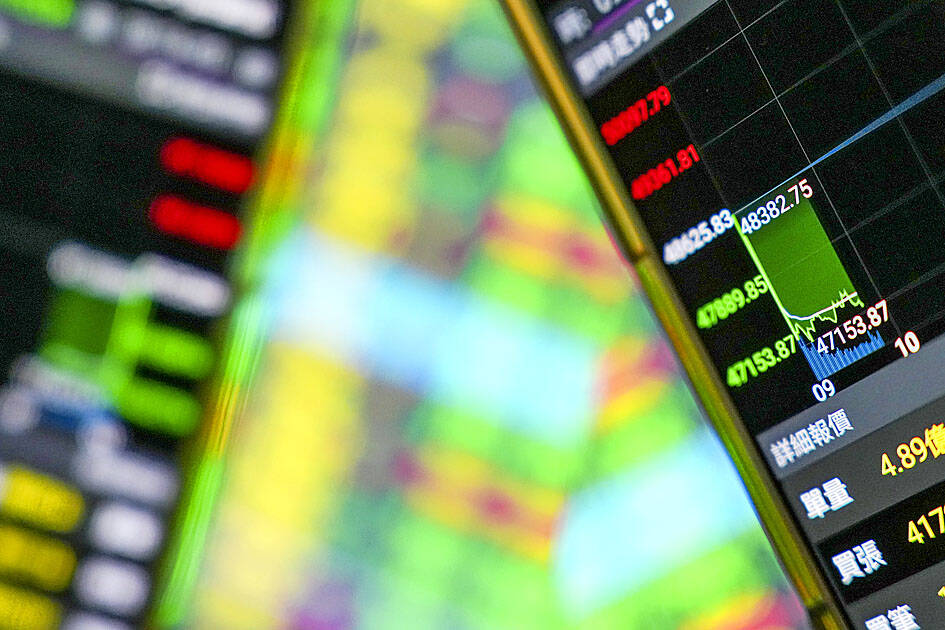
On October 15, the TAIEX slumped 1,655.96 points (3.41%) to close at 46,969.87, marking its sixth-steepest single-day point loss. The decline was triggered by hotter-than-expected US inflation data that rekindled fears of Federal Reserve rate hikes, alongside a global sell-off in technology shares. Foreign investors sold a record-breaking NT$302.55 billion worth of stocks in a single day, surpassing the previous record of NT$188.31 billion set in July 2026.
TSMC Posts Record Profit but Shares Fall on Profit-Taking
TSMC reported its sixth consecutive quarter of record net profit on October 15, with earnings rising 68% year-over-year, citing "extremely robust demand" for AI chips. Despite beating Wall Street estimates, TSMC shares fell 1.80% in US pre-market and closed lower in Taipei on October 16, dropping 20 dollars to NT$2,420. Investors engaged in profit-taking ahead of the company's investor conference, while broader market jitters overshadowed the strong fundamental results.



TAIEX Rebounds Slightly as Foreign Selling Continues
On October 16, the TAIEX closed up 141.39 points (0.30%) at 47,111.26, stabilizing after the previous day's crash. However, foreign institutions continued to be net sellers for the eighth straight day, offloading NT$46.15 billion worth of stocks. Domestic institutions and retail investors provided support, with trust funds buying NT$11.75 billion, helping to cushion the impact of foreign outflows.
New Taiwan Dollar Breaks NT$32 Mark
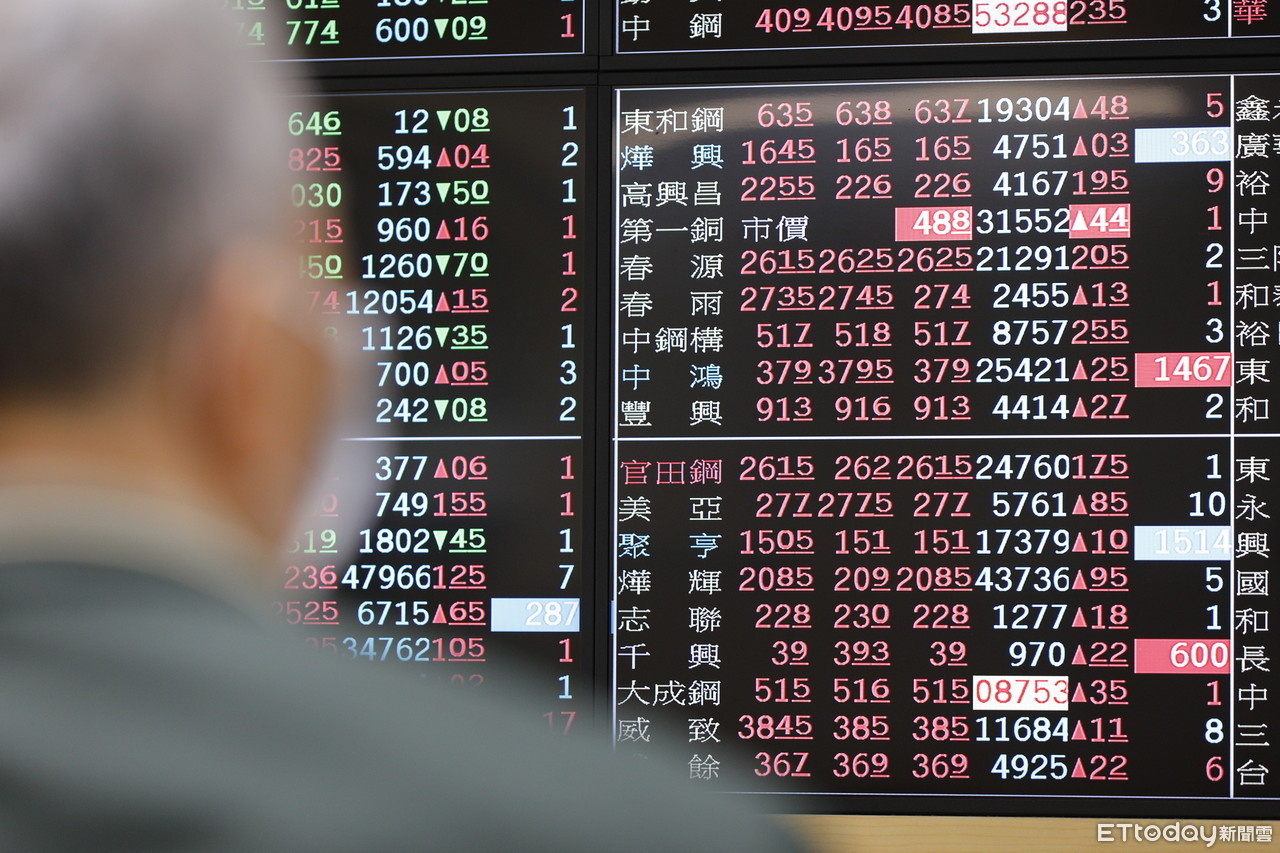
The New Taiwan dollar (TWD) depreciated sharply against the US dollar, closing above the NT$32 level for the first time in recent history on October 14. The currency weakness was driven by a combination of the Houthi attack on a Saudi Arabian airport, which spiked crude oil prices, and the broader risk-off sentiment in Asia. The Central Bank of the Republic of China (CBC) has been intervening to cap depreciation, as evidenced by a US$1.15 billion drop in foreign exchange reserves in September.
Local view
Local media outlets characterized the October 15 sell-off as a "shock education" for the market, highlighting the unprecedented scale of foreign dumping. Newtalk News noted that foreign investors sold TSMC shares aggressively, with net selling exceeding 34,000 lots on the day of the crash. United Daily News (UDN) reported that while foreigners were selling, they began rotating into specific industrial and financial stocks like China Steel and Chunghwa Telecom, suggesting a defensive shift rather than a complete exit from the market.
Context & numbers
- TAIEX Close (Oct 16): 47,111.26 (+141.39 points)
- TAIEX Close (Oct 15): 46,969.87 (-1,655.96 points, -3.41%)
- Foreign Net Selling (Oct 15): -NT$302.55 billion (Record high)
- Foreign Net Selling (Oct 16): -NT$46.15 billion
- TSMC Price (Oct 16): NT$2,420 (-20 dollars)
- TWD/USD Exchange Rate: Closed above NT$32/USD on Oct 14
- Foreign Exchange Reserves (End Sept): US$600.75 billion (-US$1.15 billion MoM)
On the radar
- Fed Meeting: Investors are closely watching the October 27 Federal Reserve meeting for signals on interest rate paths, which remains the primary driver of the current volatility in TAIEX and TSMC.
- TSMC ADR Reaction: TSMC's US-listed ADRs fell 1.80% to US$422.25 despite record earnings, indicating that global AI trade jitters are currently outweighing fundamental performance.
- AI Financing Concerns: Reports of emerging worries regarding AI financing sustainability have been cited as a factor in the recent tech stock sell-off, potentially affecting future capital expenditure expectations for TSMC and its peers.
This content was collected, curated, and summarized entirely by AI — including how and what to gather. It may contain inaccuracies. Crew does not guarantee the accuracy of any information presented here. Always verify facts on your own before acting on them. Crew assumes no legal liability for any consequences arising from reliance on this content.
Powered by
