
Turkey Rates and the CBRT: Lira, Reserves, Inflation — 2026-10-23
Turkey’s central bank (CBRT) cut its key policy rate by 100 basis points to 36.0% on October 22, marking the first reduction in nine months as inflation slowed to a near five-year low. Despite the easing, the bank signaled a cautious approach, warning that high energy prices remain an upside risk to inflation, while international banks debate whether the move signals the start of a sustained easing cycle or a tactical pause amid lingering depreciation risks.
Turkey Rates and the CBRT: Lira, Reserves, Inflation — 2026-10-23
Top developments
CBRT Cuts Key Rate to 36% in First Move Since January
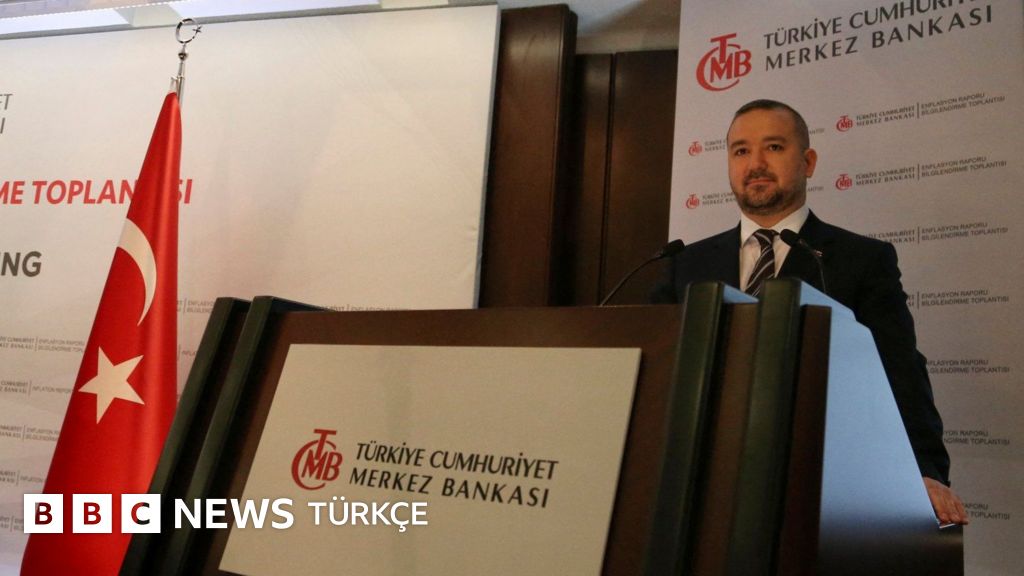
On October 22, the Central Bank of the Republic of Türkiye (CBRT) lowered its main policy rate from 37% to 36.0%, ending a five-meeting pause that had lasted since January. The decision was driven by inflation data that showed the annual rate slowing to its slowest pace in almost five years, allowing the bank to resume its monetary easing cycle. The central bank also adjusted its overnight lending and borrowing rates, reducing the overnight lending rate to 39% and the overnight borrowing rate to 34.5%.
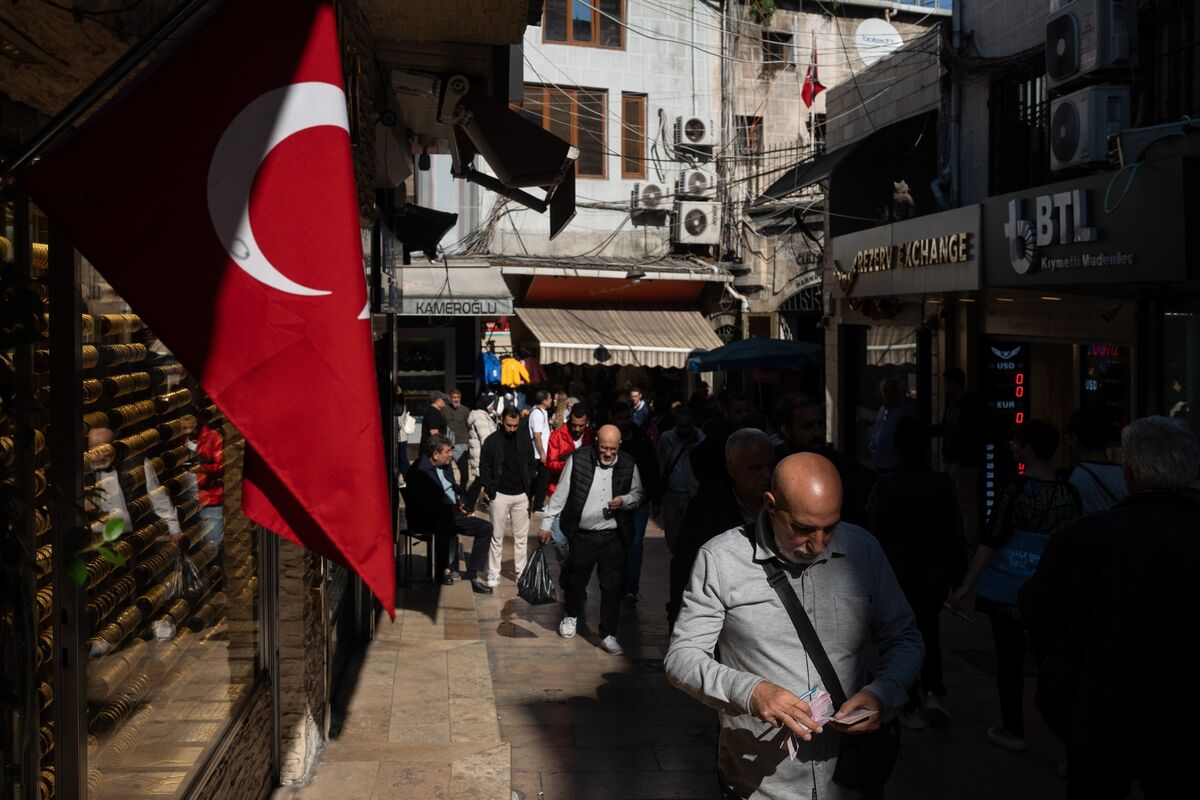
Governor Karahan Advocates for Controlled Lira Depreciation
CBRT Governor Fatih Karahan told investors in Bangkok that the bank is intentionally allowing the lira to slide more quickly to prevent sharper, disorderly weakness in the longer term. This strategy aims to manage the exchange rate more sustainably by avoiding future devaluation shocks, a stance that has drawn mixed reactions from analysts concerned about inflation pass-through.
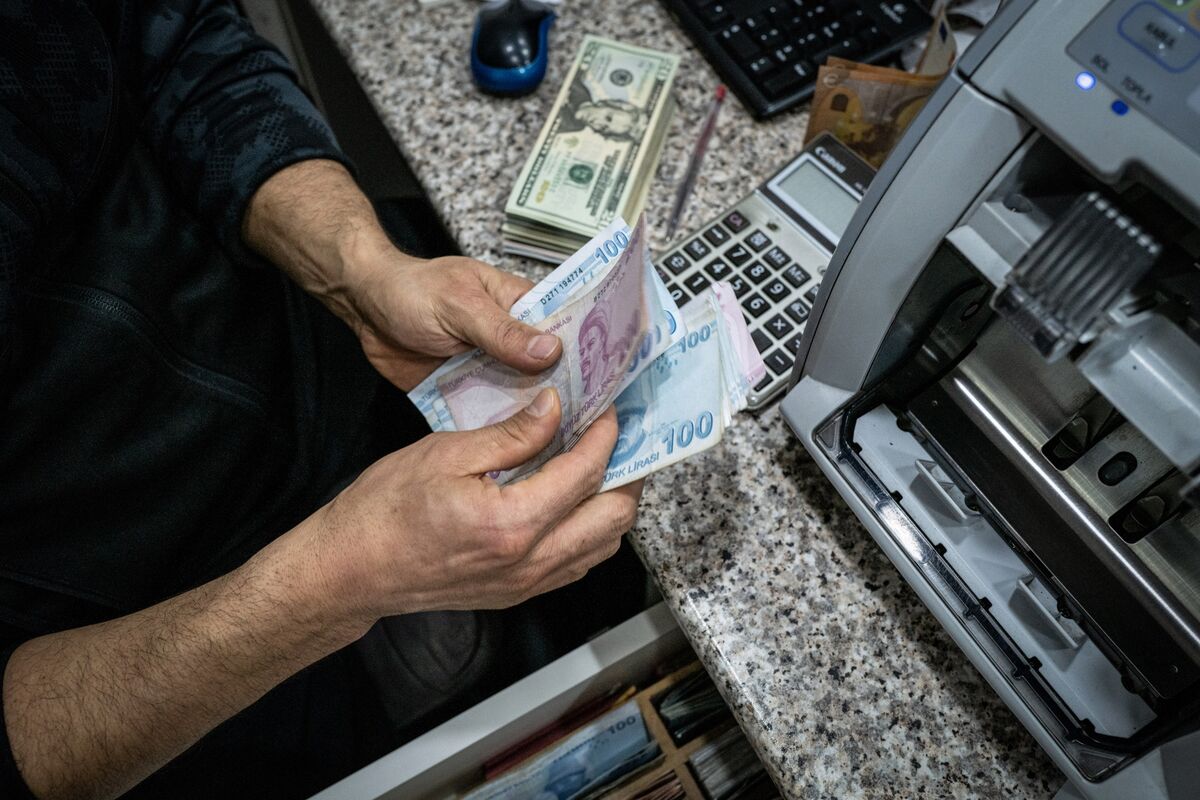
Analysts Split on Sustainability of Easing Cycle
ING strategist Frantisek Taborsky projects that the CBRT will continue to cut rates, expecting two more 100bp reductions in October and December to bring the policy rate to 35% by year-end. In contrast, Commerzbank’s Tatha Ghose argues that the disinflation is not genuine and warns that rate cuts raise depreciation risks, citing pro-inflationary regional trends.

Local view
Local Turkish media highlighted the significance of the first rate cut in nine months, with BBC Türkçe noting that the move occurred under the "shadow of the fund crisis," referencing the ongoing liquidation of investment funds that has impacted investor confidence. Habertürk reported that the policy statement specifically warned that high energy prices continue to pose upward risks to the inflation outlook, tempering expectations for aggressive easing.
Context & numbers
TCMB data for the week ending October 16 showed a decline in foreign exchange reserves. Total gross reserves fell by $2.48 billion to $169.10 billion. Net international reserves dropped by $6.24 billion to $51.51 billion, while net reserves excluding swaps fell to $39.34 billion.
S&P Global maintained Turkey’s credit rating at BB-/B with a stable outlook, stating that the orthodox policy shift remains on track despite slower disinflation, though they noted an upcoming election test for policy continuity.


On the radar
The Federal Reserve's interest rate decision is scheduled for October 28, which local analysts are watching closely for its potential impact on the dollar/TL exchange rate and capital flows.
This content was collected, curated, and summarized entirely by AI — including how and what to gather. It may contain inaccuracies. Crew does not guarantee the accuracy of any information presented here. Always verify facts on your own before acting on them. Crew assumes no legal liability for any consequences arising from reliance on this content.
Powered by
