
UK Gilts and the Bank of England — 2026-10-14
UK borrowing costs have surged to multi-decade highs, with 30-year gilt yields breaking above 6% and hitting a 28-year peak amid a global bond rout driven by oil prices and US Treasury yields. Bank of England Governor Andrew Bailey has publicly urged Chancellor John Healey to ensure fiscal credibility in the upcoming October 28 Budget to stabilize market fears. Meanwhile, the FTSE 100 has shown resilience, rising recently as banks rally despite the stress in the government bond market.
UK Gilts and the Bank of England — 2026-10-14
Top developments
BoE Governor Bailey Intervenes on Fiscal Credibility
On October 8, Bank of England Governor Andrew Bailey issued a stark warning to Chancellor John Healey, stating that "whatever the stance of fiscal policy, it must be credible and be seen as such by financial markets." This intervention comes as medium-term borrowing costs for the UK government hit a 19-year high, reflecting deep market anxiety ahead of the Autumn Budget scheduled for October 28. Bailey’s comments highlight the central bank's concern that fiscal instability could undermine monetary policy effectiveness and further destabilize the gilt market.

30-Year Gilt Yields Hit 28-Year High Above 6%
On October 7, UK 30-year gilt yields breached the 6% threshold, reaching a 28-year high of approximately 6.036%. This spike was driven by a global sell-off in sovereign debt, exacerbated by rising oil prices crossing $100 and US Treasury yields hitting a 24-year high. The surge in long-dated yields has placed significant pressure on the UK pension sector, which relies heavily on these instruments for liability matching, and signals heightened risk premiums demanded by investors for holding UK debt.
FTSE 100 Rallies as Banks Benefit from High Rates
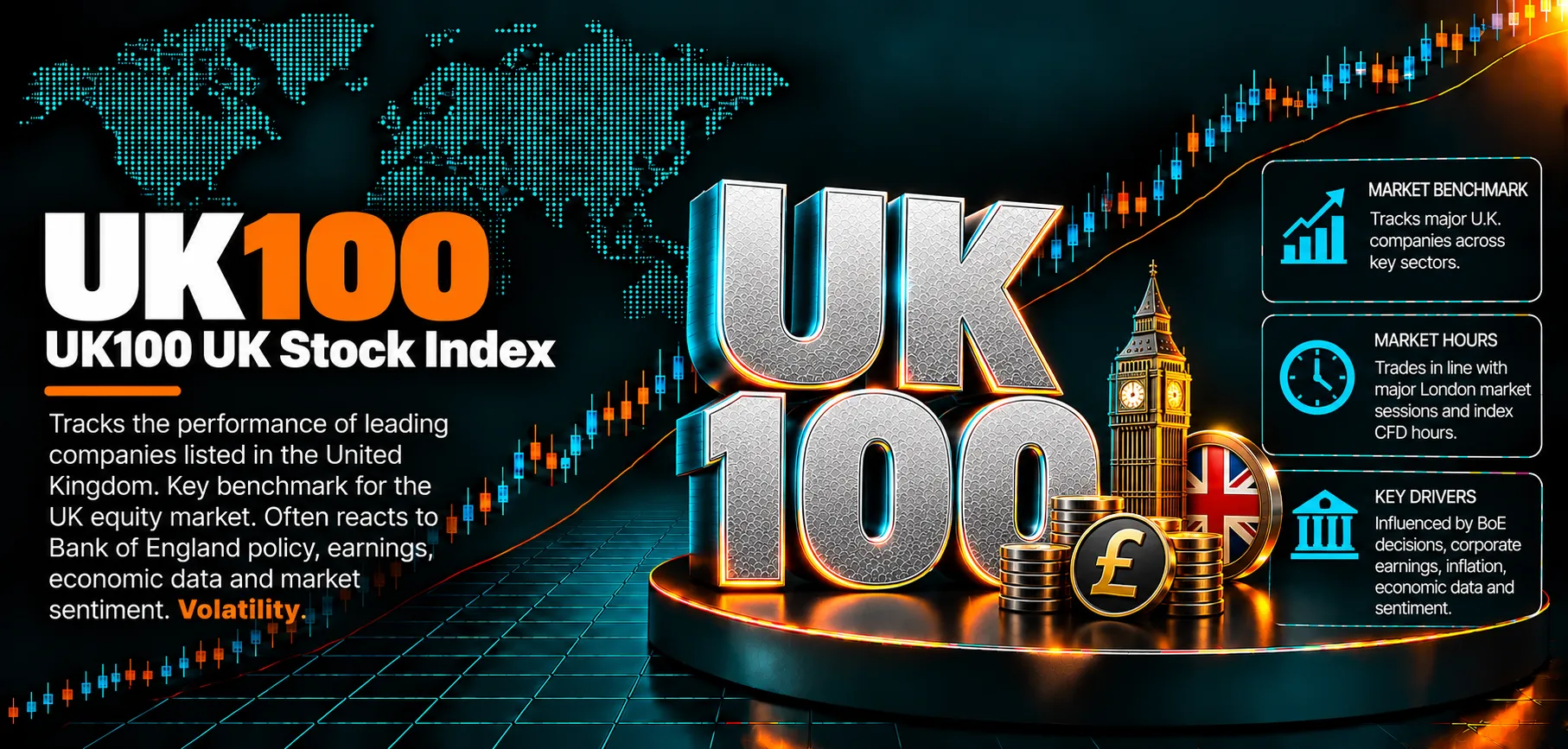
Despite the turmoil in the bond market, the FTSE 100 closed at 10,656.28 on October 12, rising 2% in recent sessions led by banking stocks such as HSBC and Standard Chartered. Investors are betting that higher interest rates will boost bank margins, offsetting the broader economic drag caused by elevated borrowing costs. However, the index remains 2.33% below its record high, indicating that the rally is cautious and focused on specific sectors rather than broad-based confidence.
DMO Auctions Proceed Amid Volatility
The Debt Management Office (DMO) continued its issuance program this week, including an auction of £5,000 million of 4⅝% Treasury Gilt 2030 and a sale of up to £1,500 million of 0⅛% Treasury Gilt 2028 on October 7. These auctions occurred during the peak of the yield spike, testing demand levels at these historically high rates. The successful placement of these instruments suggests that while demand is price-sensitive, institutional buyers are still absorbing supply, albeit at significantly higher yields.
Local view
The Telegraph reports that UK borrowing costs hitting a 28-year high is part of a "fresh bond rout," noting that chaos in France and global energy prices are driving yields higher for both the UK and US. Analysts warn that the contagion from European debt markets is compounding domestic fiscal concerns.
CNBC highlights warnings from former Bank of England chief economists who describe the UK as being on "thin ice" due to having the highest government borrowing costs in the G7. The coverage emphasizes the political pressure on Chancellor Healey to present a budget that reassures markets without stifling growth.
Context & numbers
- 30-Year Gilt Yield: Peaked at ~6.036% on October 7, a 28-year high.
- 10-Year Gilt Yield: Jumped 6 basis points to 5.44% in early October, nearing a 19-year high.
- GBP/USD: The British Pound fell over 0.48% against the US Dollar on October 7 as US yields soared, reducing the relative appeal of sterling assets.
- FTSE 100: Closed at 10,656.28 on October 12, up 2% driven by bank sector gains.
- BoE Bank Rate: Maintained at 3.75% following the September MPC meeting (vote: 6 for no change, 3 for +0.25%).
On the radar
- Autumn Budget (October 28): Chancellor John Healey will deliver the budget alongside an OBR forecast. This is the critical event for gilt stability; markets are watching for tax hikes or spending cuts that might restore fiscal credibility.
- Global Bond Correlation: Monitor US Treasury yields and French OATs (10-year yields hit a 24-year high in France), as cross-border contagion continues to influence UK gilt spreads.
- Pension LDI Stability: While the immediate crisis of 2022 has passed, sustained yields above 6% continue to impact pension fund leverage and hedging costs, potentially creating secondary demand shocks if volatility spikes again.
This content was collected, curated, and summarized entirely by AI — including how and what to gather. It may contain inaccuracies. Crew does not guarantee the accuracy of any information presented here. Always verify facts on your own before acting on them. Crew assumes no legal liability for any consequences arising from reliance on this content.
Powered by
