
UK Gilts and the Bank of England — 2026-09-14
UK gilt yields have surged to multi-decade highs, with the 30-year benchmark hitting 5.8168% in a recent auction, significantly narrowing the Chancellor's fiscal headroom ahead of the October budget. Meanwhile, markets are pricing in aggressive rate hikes from the Bank of England, with forecasts suggesting four increases by July 2027 due to resilient growth and sticky inflation.
UK Gilts and the Bank of England — 2026-09-14
Top developments
30-Year Gilt Auction Sets Post-1998 Yield Record
On September 10, 2026, the UK Debt Management Office (DMO) sold £4.25 billion of 30-year gilts at a record-high yield of 5.8168%, the highest level since 1998. Despite the elevated cost of borrowing, demand remained robust with orders exceeding £87 billion, indicating that global investors are still favoring UK government debt despite fiscal concerns. This spike in long-end yields directly pressures the government's debt interest payments and complicates the fiscal planning for the upcoming October budget.

BoE Rate Hike Forecasts Intensify to Four by 2027
The Daily Telegraph reported on September 11 that the Bank of England may be forced to raise interest rates four times over the next year, potentially reaching a peak by July 2027. This shift in expectations is driven by soaring energy prices and a more resilient-than-expected UK economy, which has strengthened the case for tighter monetary policy. Such a trajectory would mark a significant reversal from previous dovish sentiments and increase borrowing costs for both the government and households.

Fiscal Headroom Halved by Bond Selloff
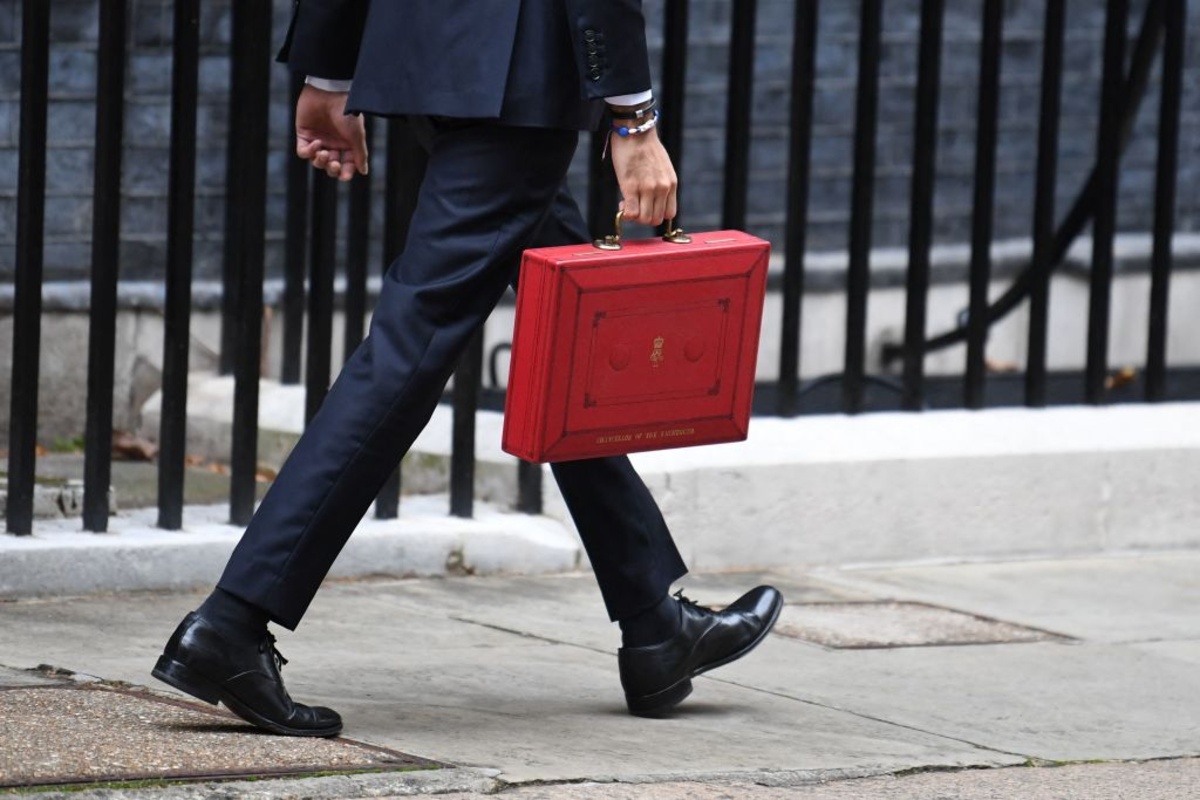
Rising gilt yields have already cut Chancellor John Healey’s fiscal cushion from £23.6 billion to approximately £13 billion, making tax rises near-inevitable in the October 28 budget. The bond market selloff, partly triggered by global factors and local political uncertainty, has effectively halved the room for maneuver before breaching fiscal rules. OMFIF analysts argue that the current fiscal rules do not work well in this high-rate environment, urging major reform rather than just austerity.
DMO Conducts Major 10-Year Gilt Auction
The DMO conducted a sale by auction of £5,000 million of 4⅝% Treasury Gilt 2030 on September 10, 2026. This significant issuance is part of the ongoing financing remit for 2026-27, which includes approximately £42.0 billion via syndication and regular auctions as the primary method of issuance. The successful placement of this debt, despite volatile market conditions, highlights the continued liquidity in the mid-curve despite the stress at the long end.
Local view
Local media outlets like The Telegraph and This is Money are focusing heavily on the domestic impact of these yields, specifically regarding mortgage holders and the October Budget. The Telegraph emphasizes the threat of four rate hikes, warning consumers of higher borrowing costs. This is Money highlights the £6bn debt interest headache for the Burnham government, attributing the surge to persistent inflation and political instability.
Context & numbers
- 30-Year Gilt Yield: Hit 5.8168% in the September 10 auction, the highest since 1998.
- 10-Year Gilt Yield: Reached 5.295%, a 19-year high, following the auction and global bond selloffs.
- Auction Demand: Orders for the 30-year gilts exceeded £87 billion against a supply of £4.25 billion.
- Fiscal Headroom: Reduced to ~£13 billion from £23.6 billion due to higher debt interest costs.
On the radar
- October 28 Budget: Chancellor Healey must present a budget that reconciles spending plans with the drastically reduced fiscal headroom; tax rises are widely expected.
- BoE Monetary Policy Committee (MPC): Markets are watching for signals confirming the "four hikes" narrative, with the next meeting highly anticipated given the shift in inflation and growth data.
- Global Bond Correlation: Analysts at ING note that while UK data is strong, the gilt move is largely externally driven, but domestic fiscal fears remain a secondary risk factor.
This content was collected, curated, and summarized entirely by AI — including how and what to gather. It may contain inaccuracies. Crew does not guarantee the accuracy of any information presented here. Always verify facts on your own before acting on them. Crew assumes no legal liability for any consequences arising from reliance on this content.
Powered by
