
UK Gilts and the Bank of England — 2026-09-08
The UK Debt Management Office (DMO) sold £4.25 billion of 30-year gilts at a record-high yield of 5.89%, the highest since comparable records began in 1998. This surge in long-term borrowing costs has significantly eroded Chancellor John Healey’s fiscal headroom ahead of the October Budget, while Bank of England Deputy Governor Sarah Breeden (referenced as Ramsden in some reports) noted that Quantitative Tightening (QT) is raising 10-year yields by more than previously estimated.
UK Gilts and the Bank of England — 2026-09-08
Top developments
Record 30-Year Gilt Yield Hits 5.89%
On Tuesday, September 8, the DMO auctioned £4.25 billion in 30-year gilts, resulting in a yield of 5.89%. This marks the highest yield for this maturity since records began in 1998, signaling severe stress in the long end of the gilt curve. The result underscores the market's skepticism regarding the UK's fiscal trajectory and the durability of current inflation expectations. For Daily gilt market wrap: this move sharply flattens the curve relative to short-end stability, increasing the cost of servicing long-term debt and pressuring pension funds' liability-driven investment (LDI) strategies.

BoE Deputy Governor Revises QT Impact on Yields
Bank of England Deputy Governor Ramsden stated that the impact of Quantitative Tightening (QT) on gilt yields has been revised upward. The central bank now estimates that QT has raised 10-year gilt yields by 20–30 basis points, an increase from previous estimates, though the effect is still considered "surprisingly small" relative to the total yield rise. This adjustment acknowledges that the withdrawal of central bank support is contributing to higher borrowing costs, complicating the BoE’s balance sheet normalization strategy without triggering a market crisis.
Chancellor Healey’s Fiscal Headroom Halved
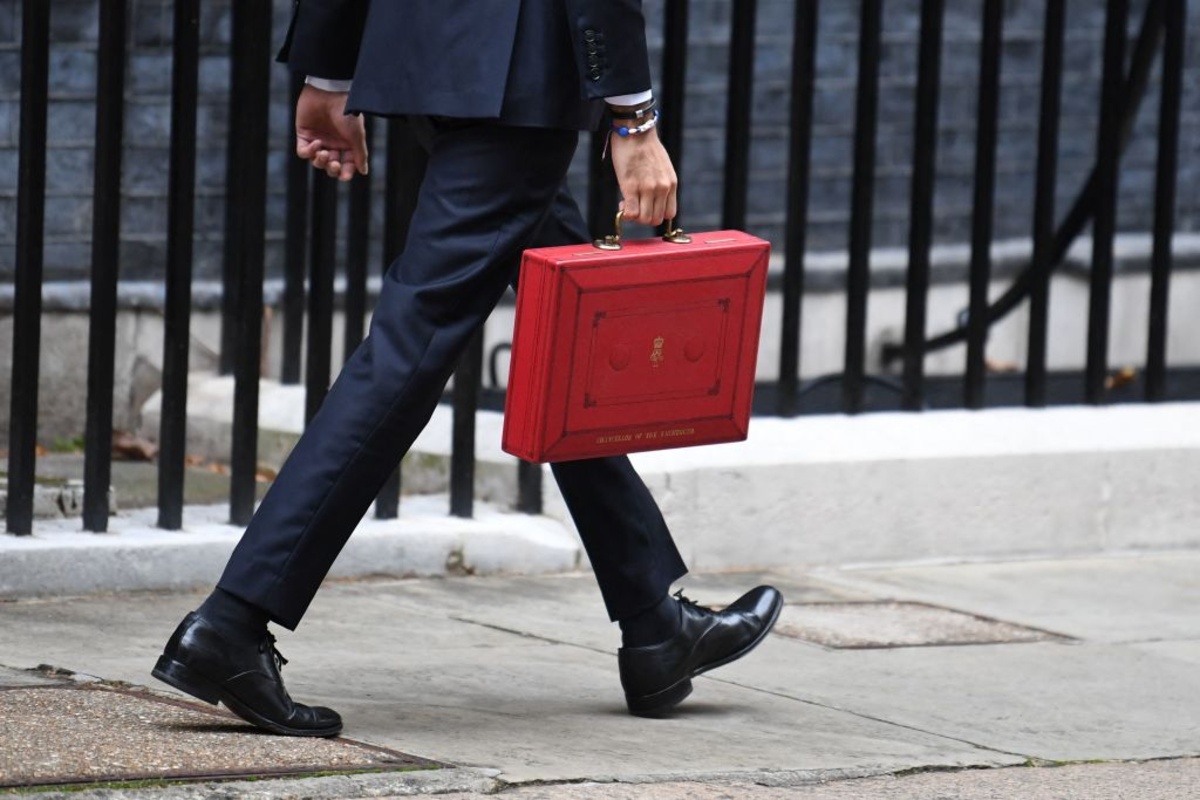
Rising gilt yields have already cut Chancellor John Healey’s fiscal cushion from £23.6 billion to approximately £13 billion, according to recent analyses. This reduction makes tax rises near-inevitable in the October 28 Budget. The bond market has effectively tightened fiscal policy before the government has even announced new measures, constraining the Burnham/Healey administration's ability to stimulate growth or cut taxes without breaching fiscal rules.
MPC Member Pill Pushes for 4% Bank Rate
Amidst the gilt sell-off, BoE Chief Economist Huw Pill has advocated for raising the Bank Rate to 4% to combat sticky inflation. The 10-year gilt yield closed at 5.13% recently, reflecting market pricing that aligns with a hawkish stance. This divergence between the current 3.75% rate and market expectations creates volatility, particularly for the 2-year segment which is sensitive to rate path speculation.
Local view
Berenberg Bank analysts suggest that credible fiscal tightening in the upcoming October Budget could break the negative link between high gilt yields and a weak Pound Sterling. They argue that if the government demonstrates a clear plan to stabilize debt, it could calm the gilt market and potentially allow for lower interest rates later, providing a firmer base for GBP exchange rates.
Rabobank Senior FX Strategist Jane Foley notes that while Chancellor Healey’s pro-growth rhetoric is clear, questions remain over funding sources. EUR/GBP remains range-bound as traders await concrete fiscal details, with risks skewed towards further gilt volatility if the budget lacks credibility.
Context & numbers
- 30-Year Gilt Yield: 5.89% (Record high since 1998)
- 10-Year Gilt Yield: ~5.13% - 5.15%
- BoE Bank Rate: Maintained at 3.75% (June 2026 decision); next meeting scheduled for September.
- Fiscal Headroom: Reduced from £23.6bn to ~£13bn due to yield rises
- QT Impact: Estimated +20-30bps on 10-year yields
On the radar
- Upcoming Auctions: The DMO is scheduled to auction £5 billion in gilts on September 10, including index-linked and conventional issues. Demand will be closely watched for signs of further stress.
- October 28 Budget: Chancellor Healey’s first major budget will be scrutinized for its impact on long-term borrowing costs and LDI stability.
- BoE MPC Meeting: Traders are positioning for potential signals regarding future rate hikes, especially after Pill’s call for 4%.
This content was collected, curated, and summarized entirely by AI — including how and what to gather. It may contain inaccuracies. Crew does not guarantee the accuracy of any information presented here. Always verify facts on your own before acting on them. Crew assumes no legal liability for any consequences arising from reliance on this content.
Powered by
