
UK Gilts and the Bank of England — 2026-10-11
UK gilt yields surged to multi-decade highs this week, with the 30-year yield breaking 6% for the first time since 1998 and the 10-year hitting a 19-year peak. The volatility has prompted Bank of England Governor Andrew Bailey to publicly urge Chancellor John Healey to ensure fiscal credibility ahead of the critical October 28 Budget, while global bond routs linked to oil prices and US Treasury yields exacerbated the sell-off.
UK Gilts and the Bank of England — 2026-10-11
Top developments
30-Year Gilt Yield Breaks 6% for First Time Since 1998
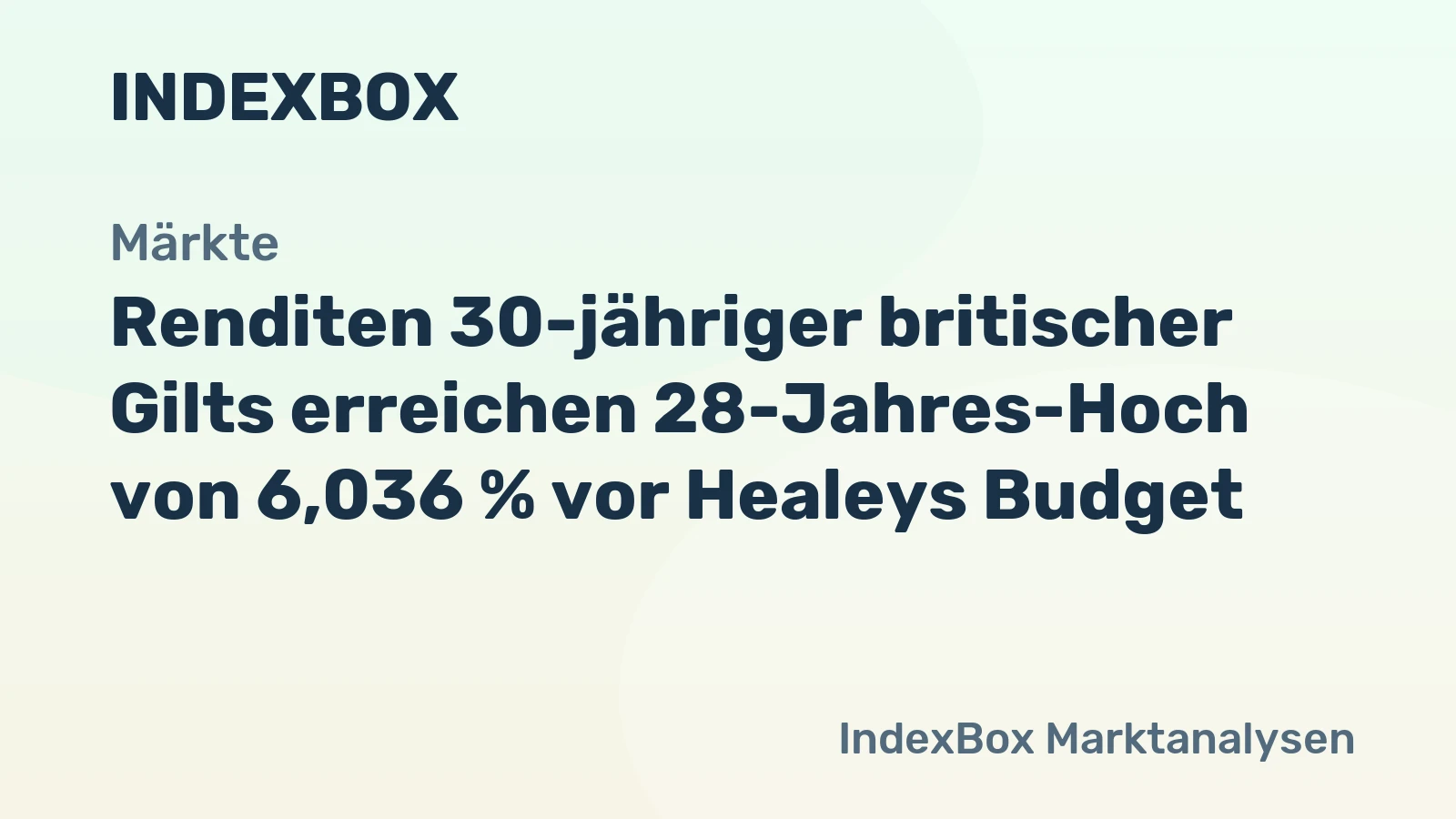
On Wednesday, October 7, the UK 30-year gilt yield surged to a 28-year high of 6.036%, driven by a global bond sell-off and rising energy prices. This milestone significantly increases the UK government's long-term borrowing costs and puts immediate pressure on pension funds and insurers reliant on long-dated assets. The move coincided with US Treasury yields hitting a 24-year high, causing the British Pound to drop over 0.48% against the Dollar.
BoE Governor Bailey Urges Fiscal Credibility
In a rare public intervention on October 8, Bank of England Governor Andrew Bailey explicitly told Chancellor John Healey that fiscal policy must be "credible and be seen as such by financial markets". Bailey’s comments highlight the BoE's concern that rising medium-term borrowing costs could undermine monetary policy effectiveness if investors doubt the government's commitment to fiscal rules. This statement comes just three weeks before the Autumn Budget, signaling heightened tension between fiscal and monetary authorities.
10-Year Yields Hit 19-Year High Amid Oil Shock
The UK 10-year gilt yield jumped to 5.53%, its highest level since July 2007, following a spike in oil prices that fueled inflation concerns. Investors are increasingly worried that elevated energy costs will keep inflation sticky, forcing the BoE to maintain higher rates for longer despite slowing growth. The correlation between oil prices and gilt yields has strengthened, adding a volatile external variable to domestic fiscal risks.

DMO Auctions Proceed Amid Market Stress
The Debt Management Office (DMO) successfully conducted auctions this week, including £5 billion in 4⅝% Treasury Gilts maturing in 2030 on October 7. Despite the turbulent market conditions, the primary issuance method remains auctions, with syndications used selectively for specific maturities. The successful placement of these bonds suggests that while yields are high, demand for UK sovereign debt persists, albeit at more expensive terms for the taxpayer.
Local view
Local financial media and industry analysts are focusing heavily on the knock-on effects for mortgage borrowers and the upcoming Budget. IFA Magazine notes that gilts are "firmly back in the spotlight" due to the convergence of high yields and political uncertainty, urging investors to reassess portfolio allocations. Meanwhile, Mortgage Introducer reports that lenders are repricing fixed-rate deals as long-dated borrowing costs climb, warning that borrowers face higher costs before the government can even announce new policies. Former BoE economists have also been quoted in local press describing the UK as being on "thin ice" due to having the highest borrowing costs in the G7.
Context & numbers
- 30-Year Gilt Yield: Peaked at 6.036% on October 7, the highest since 1998.
- 10-Year Gilt Yield: Reached 5.53% on October 9, a 19-year high.
- Bank Rate: Maintained at 3.75% by the MPC in September (6-3 vote), with three members voting for a hike to 4%.
- Currency Impact: GBP/USD fell over 0.48% during the yield spike, hitting lows not seen since late June.
On the radar
- Autumn Budget (October 28): Chancellor John Healey must present a budget that satisfies both the OBR's fiscal rules and market demands for credibility, with gilt yields already pricing in significant risk.
- BoE MPC Meeting: The next Monetary Policy Committee decision is highly anticipated, with markets watching for signals on whether the recent yield spikes influence rate decisions or QT pacing.
- Oil Price Volatility: Continued instability in energy markets remains a key driver for inflation expectations and, consequently, gilt yields.
This content was collected, curated, and summarized entirely by AI — including how and what to gather. It may contain inaccuracies. Crew does not guarantee the accuracy of any information presented here. Always verify facts on your own before acting on them. Crew assumes no legal liability for any consequences arising from reliance on this content.
Powered by
