
UK Gilts and the Bank of England — 2026-09-11
The UK gilt market faced renewed pressure this week as global bond sell-offs intensified, driven by surging oil prices and inflation fears. The 10-year gilt yield hit a 19-year high of 5.295%, while the 30-year yield remained near record levels, significantly squeezing Chancellor John Healey’s fiscal headroom ahead of the October Budget.
UK Gilts and the Bank of England — 2026-09-11
Top developments
10-year gilt yield surges to 19-year high
On September 10, 2026, the British 10-year gilt yield climbed to 5.295%, marking its highest level since 2007. This sharp increase was triggered by a global bond sell-off exacerbated by crude oil prices jumping above $107 a barrel amid Middle East conflict concerns. The rise in yields reflects growing investor anxiety over persistent inflation and out-of-control government borrowing, putting immediate pressure on the Bank of England’s monetary policy stance.
Global bond sell-off resumes amid oil price spike
The global bond market experienced a renewed sell-off on September 10, 2026, as investors fled safe-haven assets due to inflationary pressures from energy markets. The Guardian reported that crude oil’s surge has stoked fears that central banks will need to maintain higher-for-longer interest rates. This environment disproportionately affects UK gilts, which are seen as vulnerable to both domestic fiscal concerns and global risk-off sentiment.

Fiscal headroom shrinks ahead of October Budget
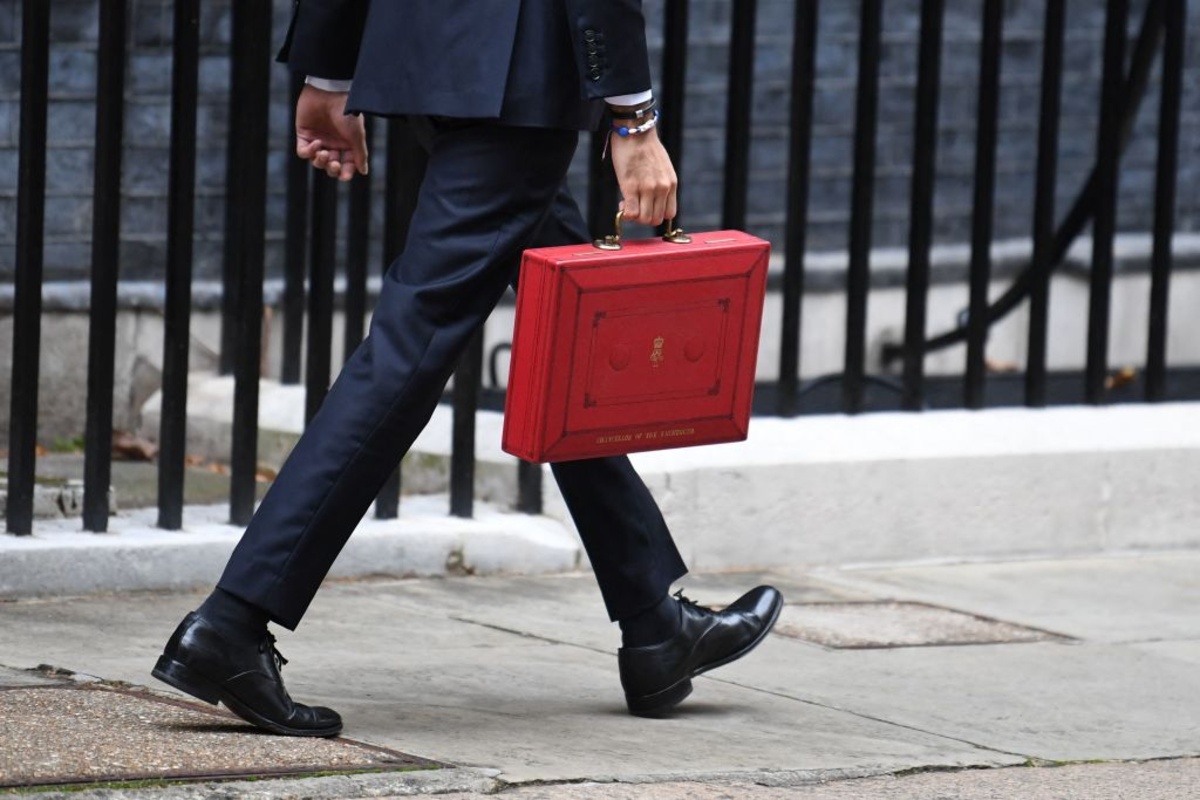
The sustained high yields have directly impacted the UK government's borrowing capacity. Recent analyses indicate that rising gilt yields have already cut Chancellor John Healey’s fiscal cushion from £23.6 billion to roughly £13 billion. This reduction makes tax rises at the upcoming October 28 Budget near-certain, as the government seeks to reconcile spending plans with higher debt service costs.
Local view
German Press Focuses on Record Borrowing Costs Der Spiegel highlighted that the UK government is paying the highest interest rates on new debt since the establishment of the Debt Management Office in 1998. The outlet noted that these record costs significantly complicate the budget planning for the new Finance Minister, John Healey.

French Markets Watch FTSE Decline Boursorama reported that the FTSE 100 fell for the fifth consecutive day on September 10, 2026, driven by fears of rising interest rates and inflation. The French financial news outlet linked the equity market downturn directly to the turmoil in the UK bond market.
Context & numbers
- 10-Year Gilt Yield: Reached 5.295% on September 10, 2026, a 19-year high.
- 30-Year Gilt Yield: Remained elevated following the September 8 auction where it was sold at a record 5.8168%.
- Auction Demand: Despite record yields, demand for UK debt remains robust; orders for the recent 30-year gilt sale exceeded £87 billion against a £4.25 billion issuance.
- Oil Prices: Crude oil jumped above $107 per barrel, acting as a primary catalyst for the recent inflation-driven bond sell-off.
On the radar
- October 28 Budget: Chancellor John Healey’s first major fiscal event is now critical. With fiscal headroom reduced to ~£13 billion, the market is bracing for announcements on tax rises or spending cuts to stabilize gilt yields.
- Bank of England Monetary Policy Committee (MPC): While the most recent detailed minutes referenced are from June 2026 (Bank Rate held at 3.75%), market participants are closely watching for any shifts in rhetoric regarding QT (Quantitative Tightening) impacts on long-dated gilts, especially with yields at multi-decade highs.
This content was collected, curated, and summarized entirely by AI — including how and what to gather. It may contain inaccuracies. Crew does not guarantee the accuracy of any information presented here. Always verify facts on your own before acting on them. Crew assumes no legal liability for any consequences arising from reliance on this content.
Powered by
