
US Treasuries and the Fed: Yields, Auctions, FOMC — 2026-09-17
The Federal Reserve initiated its first interest rate hike cycle since 2023 on September 16, raising the federal funds target range to 3.75%-4.00% and signaling further tightening through year-end. In response, the 10-year Treasury yield briefly breached the 5% threshold—a multiyear high—before retreating as markets digested the hawkish guidance and dot plot updates. Global bond yields eased in the immediate aftermath of the decision, though term premiums remain elevated amid persistent inflation concerns and geopolitical tensions.
US Treasuries and the Fed: Yields, Auctions, FOMC — 2026-09-17
Top developments
Fed Raises Rates to 4.00%, Signals Further Hikes
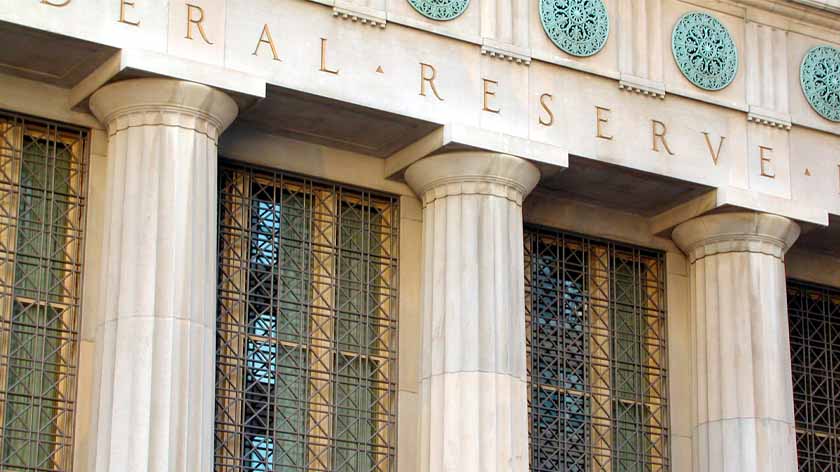
On Wednesday, September 16, the FOMC approved a 25 basis point increase in the federal funds rate to a target range of 3.75%-4.00%, marking the first hike since 2023. The committee indicated that additional increases are likely before the end of the year, with the median dot plot projection for 2026 ending at 4.1%. This move reflects the Fed's shift toward combating persistent inflation risks, which have been exacerbated by strong productivity growth and capital investment
10-Year Yield Hits Multiyear Highs, Then Reverses
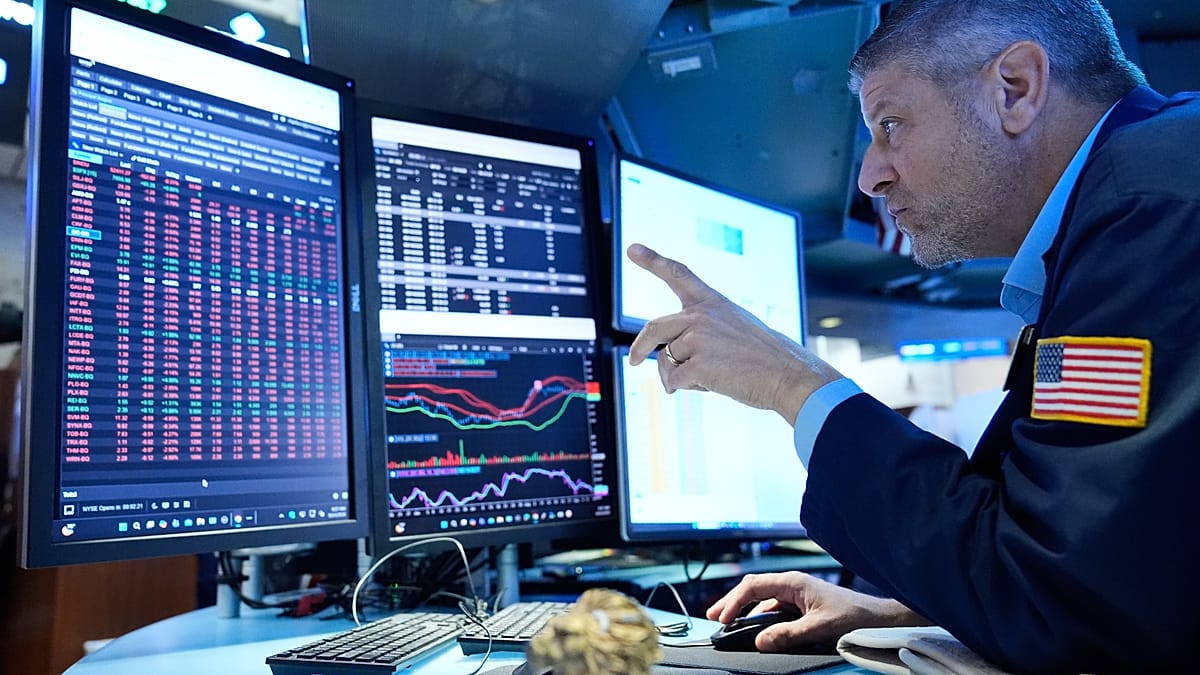
Ahead of the meeting, the 10-year Treasury yield surged to 5.041% on September 15, reaching its highest level since July 2007 (approximately 19-year highs). Following the announcement, yields moved lower as traders positioned for the new hiking cycle, with the 10-year note trading below 5% in subsequent sessions. The volatility highlights the market's struggle to price the "higher for longer" stance adopted by Chair Kevin Warsh, who emphasized that inflation risks remain elevated

Dot Plot Shifts Toward Higher Terminal Rate
The Summary of Economic Projections (SEP) released on September 16 showed a hawkish tilt in the dot plot. Sixteen participants projected at least one more rate hike this year, pushing the median end-of-2026 rate forecast to 4.1%. This represents a significant revision from previous projections, acknowledging that disinflation has stalled. The updated projections also noted elevated uncertainty due to Middle East conflicts, which are impacting oil prices and inflation expectations

20-Year Treasury Auction Results
The U.S. Treasury held a 20-year bond auction on September 15, ahead of the Fed decision. The auction resulted in a high yield of 5.420%, reflecting the elevated term premium and investor demand for compensation against inflation risk. While specific bid-to-cover ratios were not detailed in the immediate summaries, the high yield level underscores the pressure on long-end rates prior to the policy announcement
Local view
German financial media highlighted the psychological impact of the 10-year yield breaching 5%, with Euronews noting it was the highest level since October 2023 during a global sell-off. WallstreetONLINE reported that Goldman Sachs sees a risk of another rate hike in December, keeping European investors wary of imported inflation from U.S. monetary tightening. Meanwhile, Japanese outlets like Nikkei focused on the yen's reaction, noting the dollar-yen pair fell to 154 before rebounding to 155.30 as the Fed's hawkish stance was fully priced in. Bloomberg Japan emphasized that the FOMC unanimously rejected President Trump's calls for cuts, reinforcing the Fed's independence narrative
Context & numbers
- Fed Funds Target Range: 3.75% - 4.00% (Raised by 25 bps on Sept 16, 2026)
- 10-Year Treasury Yield: Peaked at 5.041% on Sept 15; traded lower post-FOMC.
- 20-Year Bond Auction High Yield: 5.420% (Sept 15, 2026)
- Market Pricing: Futures markets imply a rate of ~4.1% by December 2026 and ~4.5% by September 2027.
On the radar
- December FOMC Meeting: Markets are now pricing in a high probability of another 25 bps hike in December, given the median dot plot projection of 4.1% for year-end 2026.
- Global Bond Yields: Watch for spillover effects in global markets; yields in other developed nations eased after the Fed's hike, but geopolitical tensions in the Middle East remain a key upside risk to inflation and yields.
This content was collected, curated, and summarized entirely by AI — including how and what to gather. It may contain inaccuracies. Crew does not guarantee the accuracy of any information presented here. Always verify facts on your own before acting on them. Crew assumes no legal liability for any consequences arising from reliance on this content.
Powered by
