
US Treasuries and the Fed: Yields, Auctions, FOMC — 2026-09-02
US Treasury yields surged to multi-year highs this week, with the 10-year note hitting levels unseen since November 2023 amid renewed inflation fears and geopolitical tensions. Fed Chair Kevin Warsh's hawkish stance at Jackson Hole, emphasizing that "work remains" on inflation, has shifted market expectations away from near-term rate cuts, while Treasury Secretary Scott Bessent’s debt management efforts have failed to curb rising borrowing costs.
US Treasuries and the Fed: Yields, Auctions, FOMC — 2026-09-02
Top developments
10-Year Yield Breaks Multi-Year Highs
On September 2, 2026, the yield on the 10-year U.S. Treasury note climbed to its highest level since November 2023, driven by a global bond sell-off and persistent inflation concerns. This spike reflects growing investor anxiety over the Fed's willingness to keep rates higher for longer to combat sticky price growth.

Warsh’s Hawkish Jackson Hole Speech
In his keynote address at the Jackson Hole symposium on August 28, 2026, Federal Reserve Chair Kevin Warsh explicitly stated that the central bank may "have work to do" regarding inflation. His comments caused the 2-year Treasury yield to jump as investors reassessed the probability of rate cuts in the coming months, signaling a tighter monetary policy path than previously anticipated.

Bessent’s Bond Buyback Rally Fizzles
Efforts by Treasury Secretary Scott Bessent to lower long-term yields through debt repurchase programs have largely failed, with longer-dated Treasury yields continuing to rise into early September. Market participants note that structural fiscal deficits and uncertainty about monetary policy are overwhelming technical interventions, leading to a "steeper" yield curve despite official attempts to manage issuance costs.

Local view
German financial media highlighted the divergence between Fed policy and Treasury management, with finanzmarktwelt.de noting that the "rally in yields has fizzled out" for Bessent’s interventions. The outlet reported on September 2 that the 10-year yield is approaching a psychological "red line" of 5%, which strategists warn could trigger broader market instability if breached.
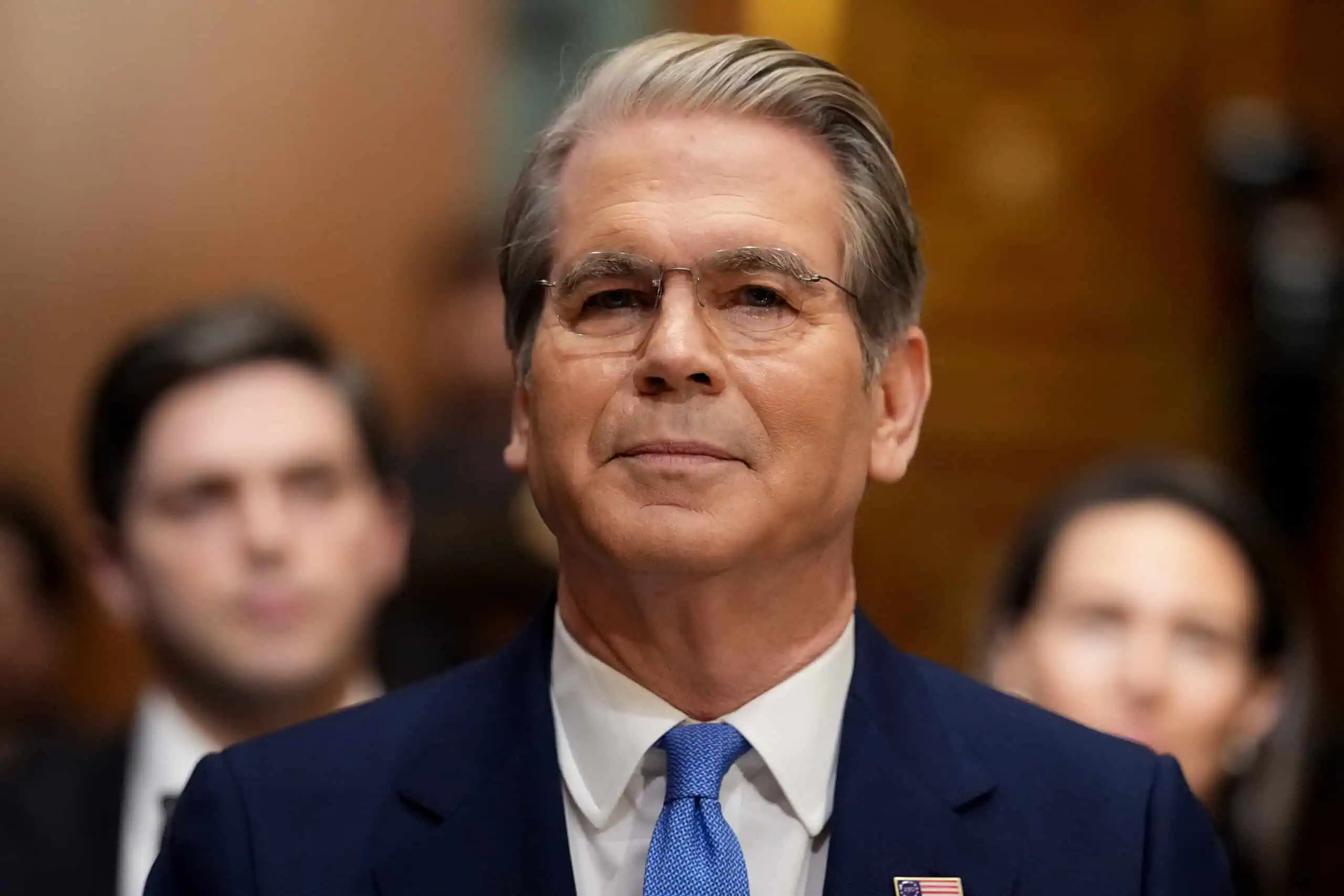
Japanese media, particularly Nikkei, focused on the global ripple effects of Warsh’s speech, reporting that NY bond markets saw long-term bonds fall sharply with the 10-year yield reaching 4.72% immediately following the Jackson Hole address. The coverage emphasized that expectations for a US rate hike or sustained high rates are now dominating Asian market sentiment.
Context & numbers
- 10-Year Yield: Closed at 4.73% on August 28, 2026, and continued to rise toward 4.77% by September 2, marking the highest level since November 2023.
- 2-Year Yield: Ended August 28 at 4.34%, reflecting immediate repricing of Fed rate cut expectations following Chair Warsh’s hawkish commentary.
- Fed Policy Stance: The FOMC maintained the federal funds rate target range at 3.5% to 3.75% in its July meeting, with recent communications removing language suggesting an easing bias.
On the radar
- Upcoming Jobs Data: Investors are closely watching the latest employment figures, which are expected to influence whether the Fed maintains its restrictive stance or faces pressure to pivot. Elevated yields are already weighing on equities ahead of this release.
- Geopolitical Risk: New US strikes against Iran and rising oil prices are contributing to inflationary pressures, further complicating the Fed’s decision-making process and supporting higher yields.
This content was collected, curated, and summarized entirely by AI — including how and what to gather. It may contain inaccuracies. Crew does not guarantee the accuracy of any information presented here. Always verify facts on your own before acting on them. Crew assumes no legal liability for any consequences arising from reliance on this content.
Powered by
