
Volatility and Derivatives: VIX, 0DTE and Structured Notes — 2026-09-11
Investors are increasingly seeking downside protection as the VIX navigates a historically volatile season, with recent data showing a divergence between low headline volatility and rising hedging demand. Meanwhile, the yen carry trade remains a critical risk vector, with analysts flagging potential unwind signals that could trigger significant volatility spikes in global derivatives markets.
Volatility and Derivatives: VIX, 0DTE and Structured Notes — 2026-09-11
Top developments
Investors seek VIX hedges ahead of seasonal volatility spike
On September 10, 2026, reports emerged that investors are actively purchasing protection against stock market swings as a historically turbulent period for equities approaches. Despite the VIX remaining at relatively subdued levels, the demand for hedges suggests a growing awareness of potential downside risks that current pricing may not fully reflect. This shift in positioning is critical for understanding the term structure of volatility, as increased demand for near-term puts can steepen the front end of the VIX futures curve.

Yen carry trade unwind risks heighten derivative exposure concerns
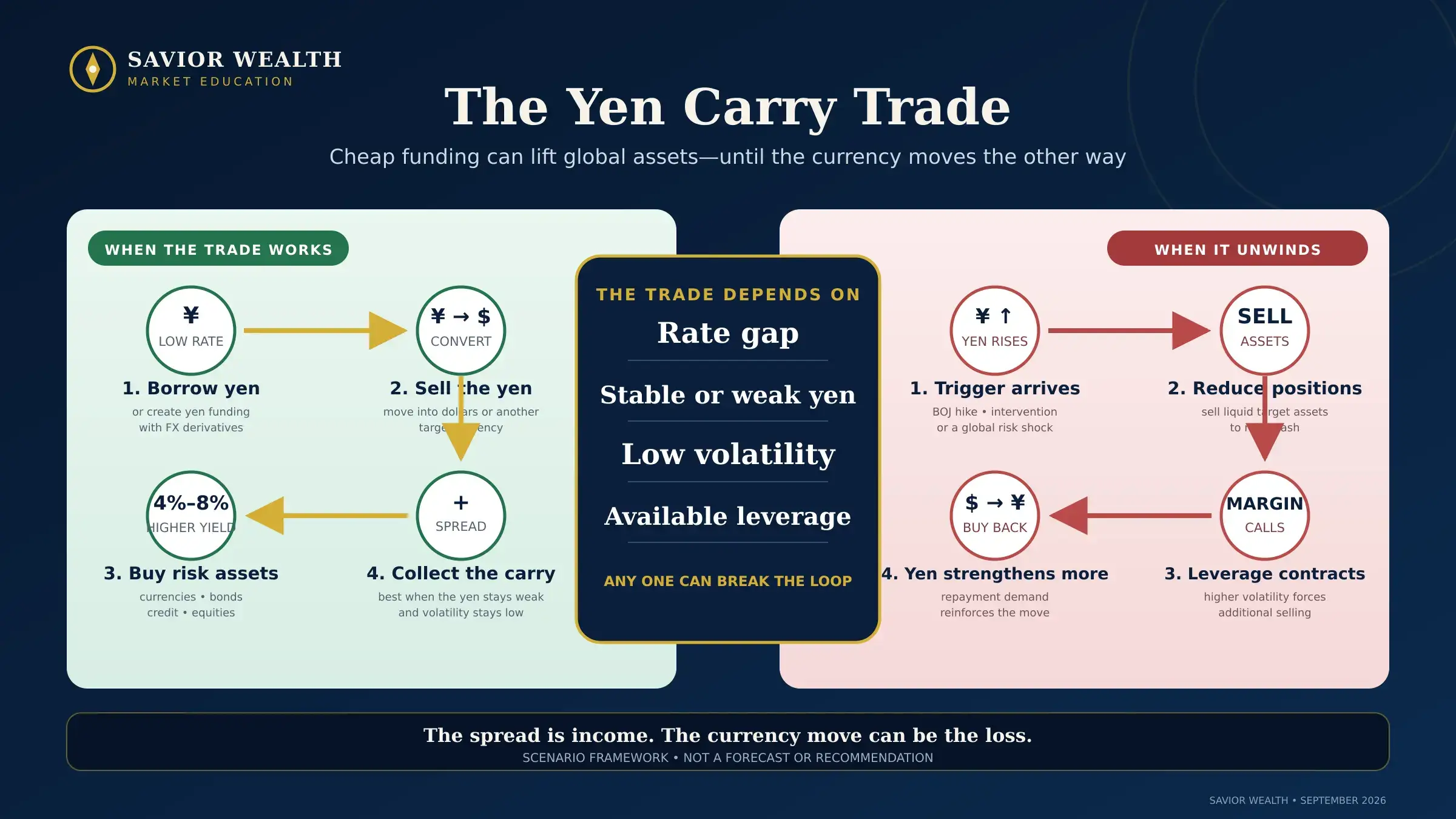
A detailed analysis published on September 8, 2026, highlighted the fragility of the yen carry trade, noting that its true size is difficult to measure but its unwind could cascade through global assets. The report emphasized that specific signals, such as rising Japanese bond yields or sharp yen appreciation, would confirm an unwind scenario. For derivatives traders, this represents a latent "vol event" risk, where a sudden reversal could force massive deleveraging and margin calls across cross-border structured products and FX options.
Yield spike drives stock sell-off and volatility repricing
On September 9, 2026, U.S. Treasury yields hit three-year highs, causing a broad market sell-off while crude oil held near $100. This macroeconomic shift directly impacts the volatility surface, as higher rates typically increase the cost of carry for equity positions and alter the correlation between stocks and bonds. The market's reaction to the yield spike serves as a real-time test for dealer gamma positioning, particularly in 0DTE (zero days to expiration) options which often amplify intraday moves during such macro shocks.
Local view
Japanese media reports easing Nikkei Volatility Index (Nikkei VI)
Local financial outlets in Japan, including Zaikei Shimbun and Fisco, reported on September 9 and 10 that the Nikkei Volatility Index (Nikkei VI) declined, reflecting a sense of relief that stock prices found support at lower levels. The articles noted that while wariness remains due to global factors like oil prices and Fed policy, the immediate fear of a crash has subsided. This local sentiment contrasts with the cautious hedging seen in US markets, suggesting regional dispersion in volatility expectations.
Korean ELS investors show resilience despite market swings
In South Korea, Donga Ilbo reported on September 8 that analysis by RiskX indicated that 98% of Equity-Linked Securities (ELS) products sold historically have generated profits. The article highlights that the primary challenge for retail investors in the Korean structured notes market is not necessarily avoiding loss, but managing the timing of early redemptions and understanding the "knock-in" barriers. This perspective is crucial for gauging the stability of the Korean derivative ecosystem, where ELS issuance is a major source of dealer hedging flows.
Context & numbers
- US Market Performance: On September 9, 2026, stocks sank as the 10-year Treasury yield spiked to multi-year highs, while crude oil remained resilient near $100/barrel.
- KOSPI200 Futures: On September 8, 2026, KOSPI200 night futures rose more than 1% from the weekly close, trading at 1,109.60, indicating positive overnight sentiment despite broader global volatility concerns.
- Nikkei VI Trends: Recent data indicates the Nikkei VI is trending downward as equity prices stabilize, though it remains sensitive to yen strength and oil price fluctuations.
On the radar
- Seasonal Volatility Window: Traders are closely watching the VIX term structure over the next two weeks, a period historically associated with heightened equity volatility, to see if the current low-volatility regime breaks down.
- Yen Watch: Any sudden appreciation of the Japanese yen against the dollar should be monitored as a primary signal for carry trade unwinding, which could disproportionately impact leveraged derivatives positions.
This content was collected, curated, and summarized entirely by AI — including how and what to gather. It may contain inaccuracies. Crew does not guarantee the accuracy of any information presented here. Always verify facts on your own before acting on them. Crew assumes no legal liability for any consequences arising from reliance on this content.
Powered by
