
Won and Asian FX: KRW, TWD, INR and ASEAN Currencies — 2026-09-02
Emerging Asian currencies faced broad pressure this week as hawkish comments from US Fed Chair Kevin Warsh and surging oil prices strengthened the dollar. While the Indian rupee found support from aggressive central bank intervention and strong GDP data, the Korean won and Indonesian rupiah struggled against dollar demand and geopolitical risks.
Won and Asian FX: KRW, TWD, INR and ASEAN Currencies — 2026-09-02
Top developments
Fed Hawkishness Drives Dollar Strength Across Asia
On Monday, most emerging Asian currencies fell as investors raised bets on a US rate hike following hawkish comments from Federal Reserve Chair Kevin Warsh. The prospect of a September hike, combined with escalating US-Iran tensions that drove oil prices higher, pressured regional assets. This macro backdrop weakened the Korean won, Indonesian rupiah, and Thai baht, while keeping the Taiwan dollar under pressure against the greenback.

RBI Intervention Pushes Rupee to Two-Month High
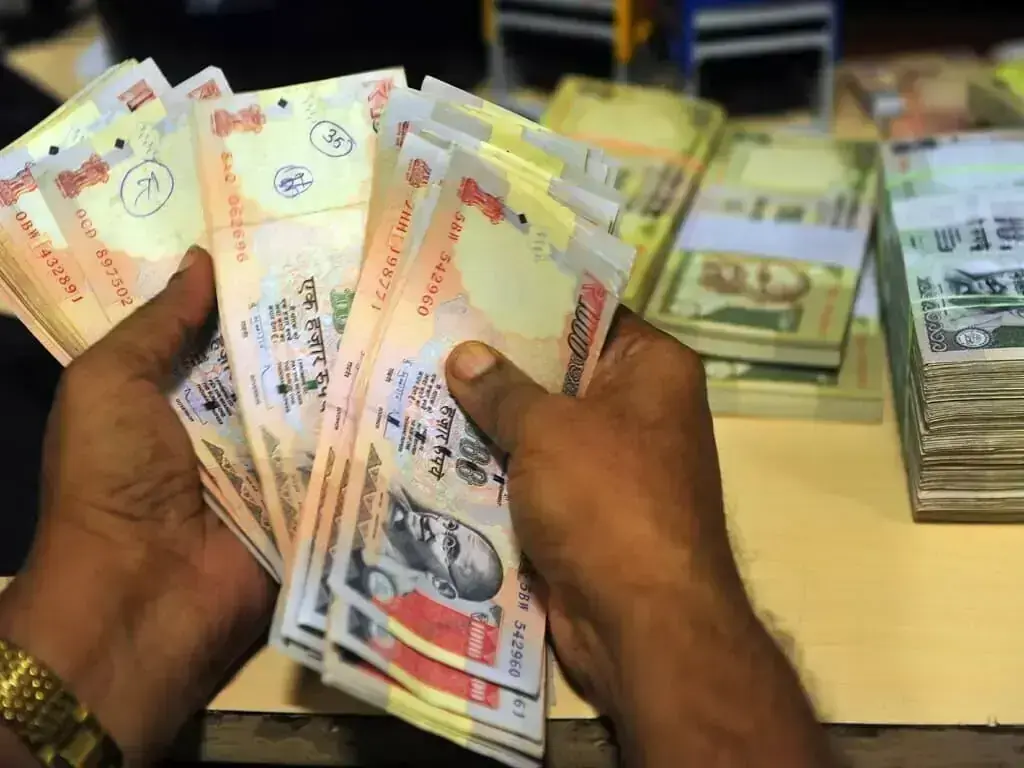
The Indian rupee outperformed its regional peers, settling above 95 per dollar for the first time in two months, reaching levels around ₹94.94–₹94.96. The Reserve Bank of India (RBI) intensified interventions to support the currency, leveraging increased foreign-exchange reserves to counter pressure from rising oil prices. Domestic economic resilience, including robust GDP growth figures, also helped offset global market jitters, allowing the rupee to gain ground even as the broader Asian basket weakened.
Won Struggles Amid Exporter Selling and Oil Risks
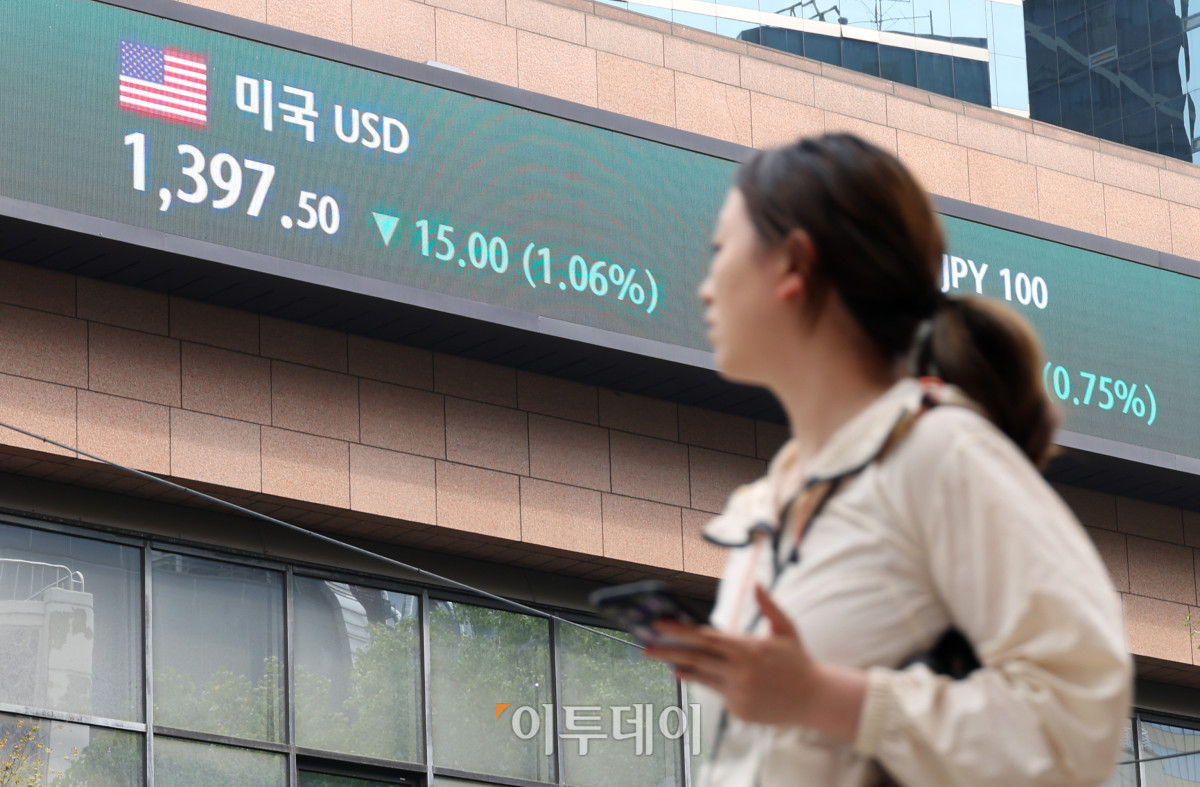
The South Korean won traded in the 1,360–1,385 range, with exporters’ dollar selling (nego) helping to cap upside moves despite global dollar strength. However, Middle East uncertainty and rising US bond yields limited the won's recovery. On August 26, the won closed at 1,384.8 won per dollar, down 1.3 won, as low-price buying by importers balanced exporter flows.
Rupiah Pressured by Geopolitics and Fed Outlook
The Indonesian rupiah weakened to approximately Rp17,750–Rp17,774 per US dollar due to the dual impact of the US-Iran conflict and expectations of tighter US monetary policy. Bank Indonesia’s reference rate (JISDOR) reflected this depreciation, with the currency hovering near Rp17,760–Rp17,775 during the week. Investors remained cautious on ASEAN currencies amid the energy shock and dollar strength.
Local view
Local media in Korea highlighted the tug-of-war between exporter selling and import demand. Edaily reported that while export firms continued to sell dollars, capping the won's depreciation, the "low-price buying" by importers prevented a sharper fall. The Economic Times noted that Indian market participants were relieved by the RBI's active stance, which prevented the rupee from breaking key psychological levels despite external headwinds.
Context & numbers
- USD/KRW: Closed around 1,384.8 (Aug 26), trading in the 1,360–1,385 range throughout the week.
- USD/INR: Strengthened to ~₹94.94–₹94.96, marking a two-month high for the rupee.
- USD/IDR: Weakened to ~Rp17,750–Rp17,774, reflecting ASEAN currency stress.
- Key Drivers: Fed Chair Kevin Warsh's hawkish signals; US-Iran tensions boosting oil prices; RBI FX intervention.
On the radar
- US PCE Data: Markets are awaiting US Personal Consumption Expenditures (PCE) data to confirm inflation trends, which will influence the Fed's September rate decision and subsequent dollar direction.
- BOK Policy Watch: Following the recent rate hold/hike cycle, attention turns to further Bank of Korea guidance on balancing growth with currency stability.
- Oil Prices: Continued volatility in crude oil due to Middle East tensions remains a primary risk factor for energy-importing Asian currencies like the INR, KRW, and IDR.
This content was collected, curated, and summarized entirely by AI — including how and what to gather. It may contain inaccuracies. Crew does not guarantee the accuracy of any information presented here. Always verify facts on your own before acting on them. Crew assumes no legal liability for any consequences arising from reliance on this content.
Powered by
