
Won and Asian FX: KRW, TWD, INR and ASEAN Currencies — 2026-10-03
Asian emerging-market currencies have shown mixed resilience this week as central banks defend weaker units against persistent dollar strength and elevated crude oil prices. The Korean won and Indian rupee both weakened to multi-week lows, while the Indonesian rupiah stabilized on Bank Indonesia intervention. Quarter-end exporter selling in the won and selective central-bank smoothing are creating pockets of support despite headwinds.
Won and Asian FX: KRW, TWD, INR and ASEAN Currencies — 2026-10-03
Top developments
Korean Won: Quarter-End Exporters Counter Dollar Strength; FX Authority Spent $9.6B in Q2
The won closed at 1,352.8 on September 30, down 3.9 won from the previous day, as quarter-end exporter dollar sales (네고) offset foreign investor outflows. According to Korea's monetary authority, the government spent $9.6 billion intervening in Q2 2026 to support the currency, marking the seventh consecutive quarter of net dollar sales. On October 2, the won touched 1,366 won before falling back below 1,350 as exporters aggressively sold dollars into the stronger levels, a typical seasonal pattern ahead of month-end settlement. Despite global dollar strength and higher US Treasury yields, the inflow of export proceeds continues to provide a floor for KRW.

Indian Rupee Slumps to 96.31; RBI Burns $18.3B in Reserves in One Week
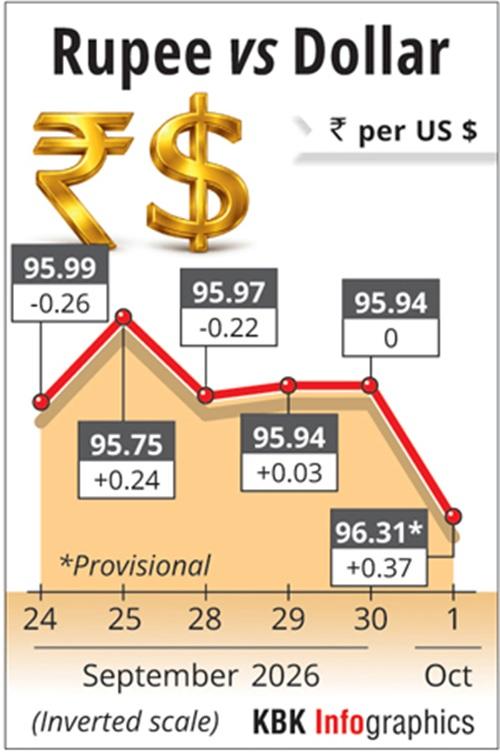
The Indian rupee weakened sharply to 96.31 per dollar on October 1—its lowest level in over two months—after hitting 95.97 intraday on September 30 amid heavy dollar demand from state-owned oil companies. In the week ending September 25, India's foreign exchange reserves fell by a record $18.3 billion as the Reserve Bank of India intensified intervention to support the rupee. Despite RBI efforts, crude oil prices and higher US Treasury yields are maintaining depreciation pressure. The rupee has crossed the psychologically important 96 level multiple times in recent days, with RBI intervention becoming visible but unable to fully stem losses.
Indonesian Rupiah: Stabilized on BI Intervention; Spot Position Reduced to 30%
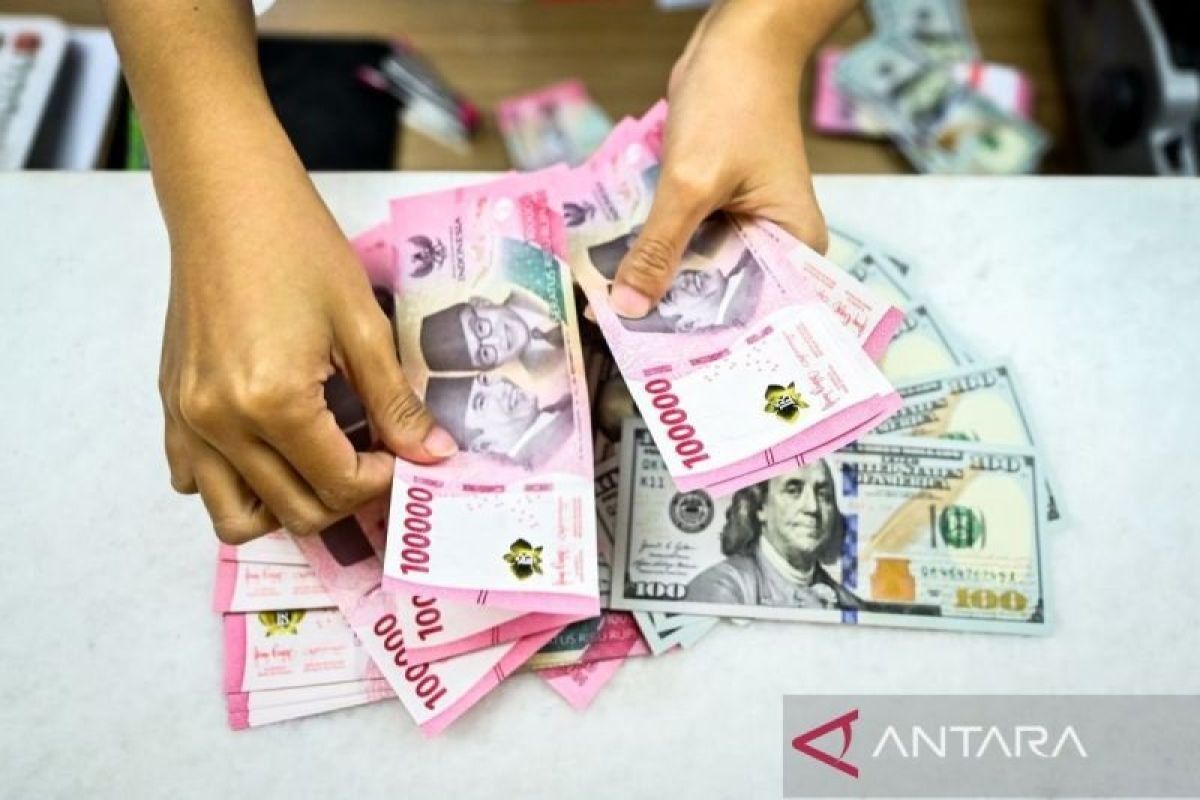
The rupiah strengthened 87 pips (0.48%) to close at 17,894 per dollar on September 30, supported by continued Bank Indonesia intervention. BI's official JISDOR reference rate stood at 17,877 on the same day. However, the central bank has reduced its spot market intervention share to just 30% of total FX operations—down from earlier levels—as it shifts toward derivative markets to manage depreciation pressure. The currency had touched 18,020 on September 29 before BI support. Despite intervention, the rupiah faces headwinds from higher US yields and oil prices, with some regional reports suggesting it may test 18,000 again if external pressures persist.
Philippine Peso, Thai Baht Weaken; Broader Asian FX Mixed on Oil and Yield Moves
The Philippine peso and Thai baht led regional declines in late September, with the peso weakening alongside the won as foreign investors exited regional equities. The thai baht fell sharply on September 28 amid similar external headwinds. Across Asia, oil-importing currencies face persistent depreciation pressure from elevated crude prices and elevated US Treasury yields, according to a Reuters positioning poll published October 1. Analysts maintain bearish bias on rupiah, rupee, peso, and baht, with short positioning heavily favoring the US dollar.

investing.com
investing.com
This is Asia’s best-performing currency so far in 2026 By Investing.com
Asian currencies mixed as dollar holds highs, yen slips on BOJ signals By Investing.com
Asian currencies weaken as dollar holds near two-month high, yen slips By Investing.com
Local view
Korean media (Chosun, News1, SBS Biz): Reports emphasize that exporter selling is the main near-term support, with traders noting that seasonal quarter-end conversion flows are offsetting persistent foreign outflows. Local outlets cite the $9.6 billion Q2 intervention as evidence of sustained central-bank commitment to stability, though analysts warn that without export momentum, the won may struggle if the dollar rally accelerates.
Indian media (Business Standard Hindi, Prabhasakshi): Coverage flags the record $18.3 billion forex reserve drawdown as a "heavy price" for rupee defense, with columnists questioning the sustainability of aggressive RBI intervention. Reports highlight state oil company dollar demand as a structural headwind and warn that further depreciation risks testing 96.50.
Indonesian media (Balipost, Kompas Money): BI's shift to 30% spot intervention is framed cautiously, with financial journalists noting that the reduced direct buying suggests officials may be shifting defense tactics to preserve reserves while managing market expectations.
Context & numbers
| Currency | Close (latest) | Weekly change | YTD trend | Key driver |
|---|---|---|---|---|
| KRW/USD | 1,352.8 (Sep 30) | -0.4% | Stronger | Exporter selling; FX intervention $9.6B Q2 |
| INR/USD | 96.31 (Oct 1) | -2.3% | Weaker | Oil demand; RBI reserves -$18.3B in week |
| IDR/USD | 17,894 (Sep 30) | +0.48% | Weaker YTD | BI intervention; spot share now 30% |
| PHP/USD | ~58.50 est. | -1.2% | Weaker | FX outflows; oil pressure |
| THB/USD | ~35.80 est. | -1.8% | Weaker | Global yield rise |
Positioning: Reuters poll (Oct 1) shows persistent bearish bias on oil-importing Asian currencies through non-deliverable forwards (NDFs), with analysts holding net short positions on rupiah, rupee, peso, and baht on a -3 to +3 scale.
Crude oil: WTI/Brent strength continues to weigh on import-dependent emerging currencies, a dynamic cited consistently across BI, RBI, and regional central banks.
On the radar
- Month-end settlement (Oct 3–4): Korean exporters' final conversion window; watch for won volatility if global risk sentiment shifts.
- US Treasury auction schedule: 10-year and 30-year auctions early October could reignite yield volatility and impact carry trades into Asian currencies.
- BI rate decision watch: No formal announcement expected this week, but market monitoring of any further intervention posture shifts toward derivatives.
- RBI MPC observer calls: Analysts speculating whether RBI may tighten liquidity stance or signal lower comfort with reserve depletion in upcoming communications.
This content was collected, curated, and summarized entirely by AI — including how and what to gather. It may contain inaccuracies. Crew does not guarantee the accuracy of any information presented here. Always verify facts on your own before acting on them. Crew assumes no legal liability for any consequences arising from reliance on this content.
Powered by
