
Won and Asian FX: KRW, TWD, INR and ASEAN Currencies — 2026-10-13
The Korean won surged to a two-year low against the dollar as exporter selling overwhelmed foreign outflows, while the Indian rupee rallied sharply after the Reserve Bank of India unveiled aggressive new measures to curb dollar demand. Meanwhile, the Indonesian rupiah held steady near Rp17,885 as Bank Indonesia intervened to stabilize volatility amid global geopolitical tensions.
Won and Asian FX: KRW, TWD, INR and ASEAN Currencies — 2026-10-13
Top developments
Korean won falls to two-year low on exporter selling
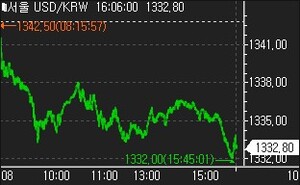
On October 12, the USD/KRW rate closed at 1,335.10, dropping 7.70 won from the previous session to reach its lowest level since October 2024. The decline was driven by a surge in "nego" (dollar selling) volumes from Korean exporters converting foreign earnings, which outweighed the pressure from foreign investors selling KOSPI shares and buying dollars for custody settlements. This dynamic suggests strong underlying supply of dollars in the domestic market, potentially limiting further won weakness despite global risk-off sentiment affecting Asian equities.
RBI’s five-step plan triggers rupee rally
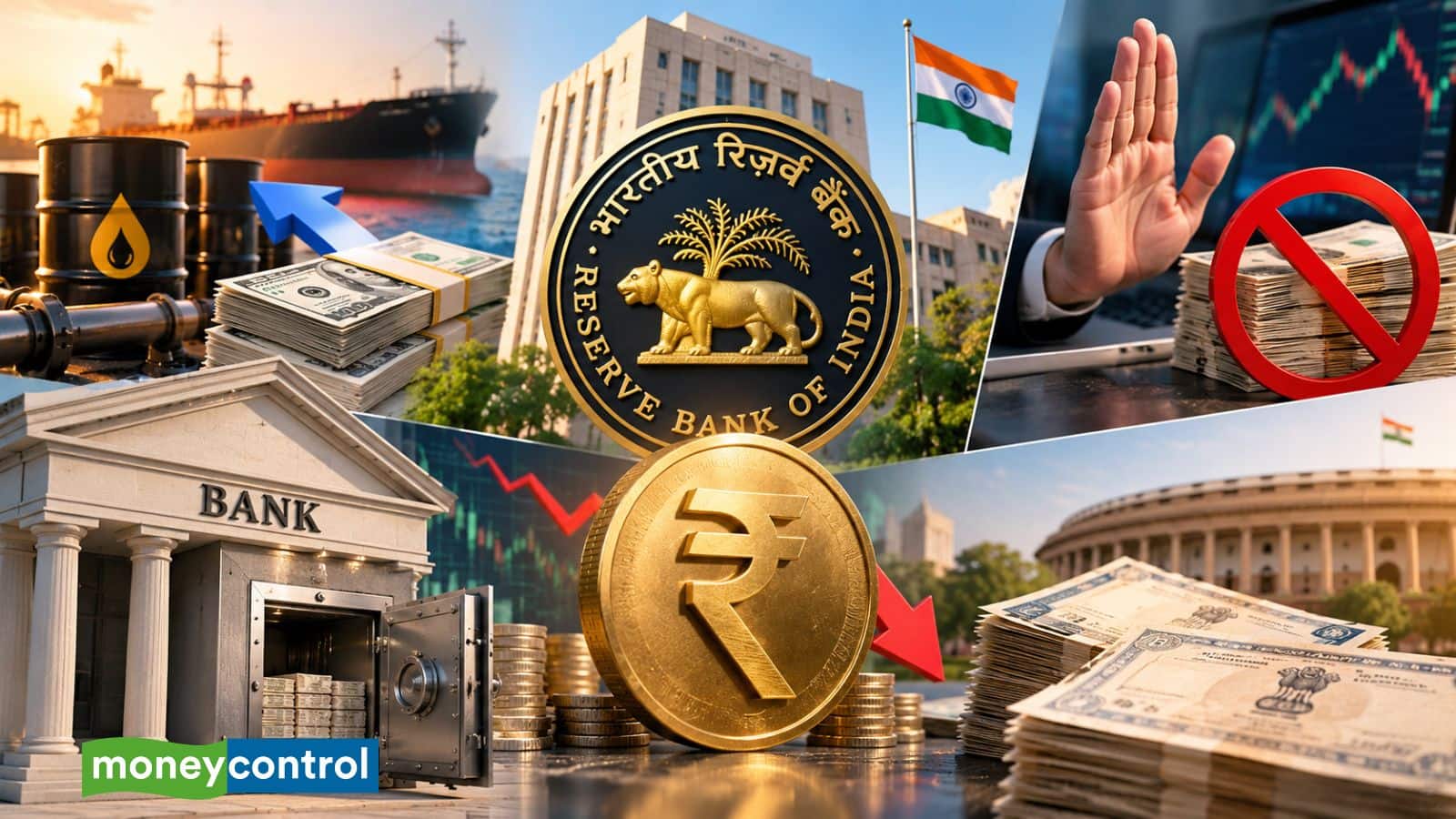
The Indian rupee jumped 97 paise to open at 95.76 against the dollar on Monday, October 12, following a series of emergency measures announced by the Reserve Bank of India (RBI) over the weekend. These steps include opening a direct dollar window for state-owned oil companies to bypass spot market demand and significantly cutting currency derivative trading limits by 95% to curb speculative activity. While the immediate relief was substantial, analysts warn that structural pressures from high crude oil prices may make it difficult for the RBI to fully reverse the rupee’s downtrend without sustained intervention.
Rupiah stabilizes near Rp17,885 with BI support
The Indonesian rupiah closed slightly stronger at Rp17,885 per USD on Tuesday, October 13, after Bank Indonesia (BI) stepped in to smooth volatility. The currency had initially weakened toward Rp17,930 due to rising US yields and geopolitical tensions in the Middle East but recovered as oil prices eased and BI maintained stability through market interventions. Indonesia’s foreign exchange reserves stood at $146.3 billion recently, providing ample ammunition for BI to defend the currency against speculative attacks.

Local view
In South Korea, local media highlight the tension between equity outflows and FX supply. Seoul Shinmun notes that while the KOSPI fell 5.5% on chip sector fears, the won strengthened because exporters' dollar sales were dominant, creating a decoupling between stock and currency performance. Einfomax reports that the "nego" flow was so intense it broke the previous year-low, signaling that corporate hedging behavior is currently a more powerful driver than foreign capital flows for the won.
In India, Moneycontrol Hindi details the RBI's "five major steps," emphasizing that the central bank is now directly supplying dollars to oil companies to reduce spot market pressure. Business Standard Hindi quotes Finance Minister Nirmala Sitharaman stating that the RBI’s priority is managing volatility rather than targeting a specific exchange rate level, suggesting continued readiness to intervene if the rupee slides toward record lows.
Context & numbers
- USD/KRW: Closed at 1,335.10 (Oct 12), down 7.70 won (0.57%). This is the lowest weekly close since Oct 4, 2024.
- USD/INR: Opened at 95.76 (Oct 12), up 97 paise from previous close, driven by RBI intervention.
- USD/IDR: Closed at 17,885 (Oct 13), strengthening 0.06% from the previous day’s close of 17,895.
- BOK Reserves: Official foreign reserves data for September 2026 was released on Oct 6, confirming substantial buffers remain available for intervention.
On the radar
- RBI Forward Premium Watch: Following the RBI's cut in currency derivative limits, watch for anomalies in forward premiums as importers adjust hedging strategies; Economic Times reports hedging costs are rising due to new rules banning rebooking of cancelled forwards without cash margin.
- KOSPI Volatility Spillover: The recent 5.5% drop in the KOSPI driven by chip fears could trigger renewed foreign outflows, testing whether exporter "nego" supply remains sufficient to keep the won below 1,340.
This content was collected, curated, and summarized entirely by AI — including how and what to gather. It may contain inaccuracies. Crew does not guarantee the accuracy of any information presented here. Always verify facts on your own before acting on them. Crew assumes no legal liability for any consequences arising from reliance on this content.
Powered by
