
Won and Asian FX: KRW, TWD, INR and ASEAN Currencies — 2026-09-06
The Korean won strengthened significantly against the US dollar, hitting a 14-month low as exporter dollar selling outweighed hawkish Fed signals. Meanwhile, the Indian rupee surged to a two-month high following the RBI’s successful mobilization of $136 billion in foreign currency via special deposit schemes. Asian currencies broadly faced mixed pressures, with the Indonesian rupiah gaining ground on a weaker dollar while Middle East tensions kept energy-linked risks elevated for regional assets.
Won and Asian FX: KRW, TWD, INR and ASEAN Currencies — 2026-09-06
Top developments
Korean Won Breaks 1,350 Level on Exporter Selling
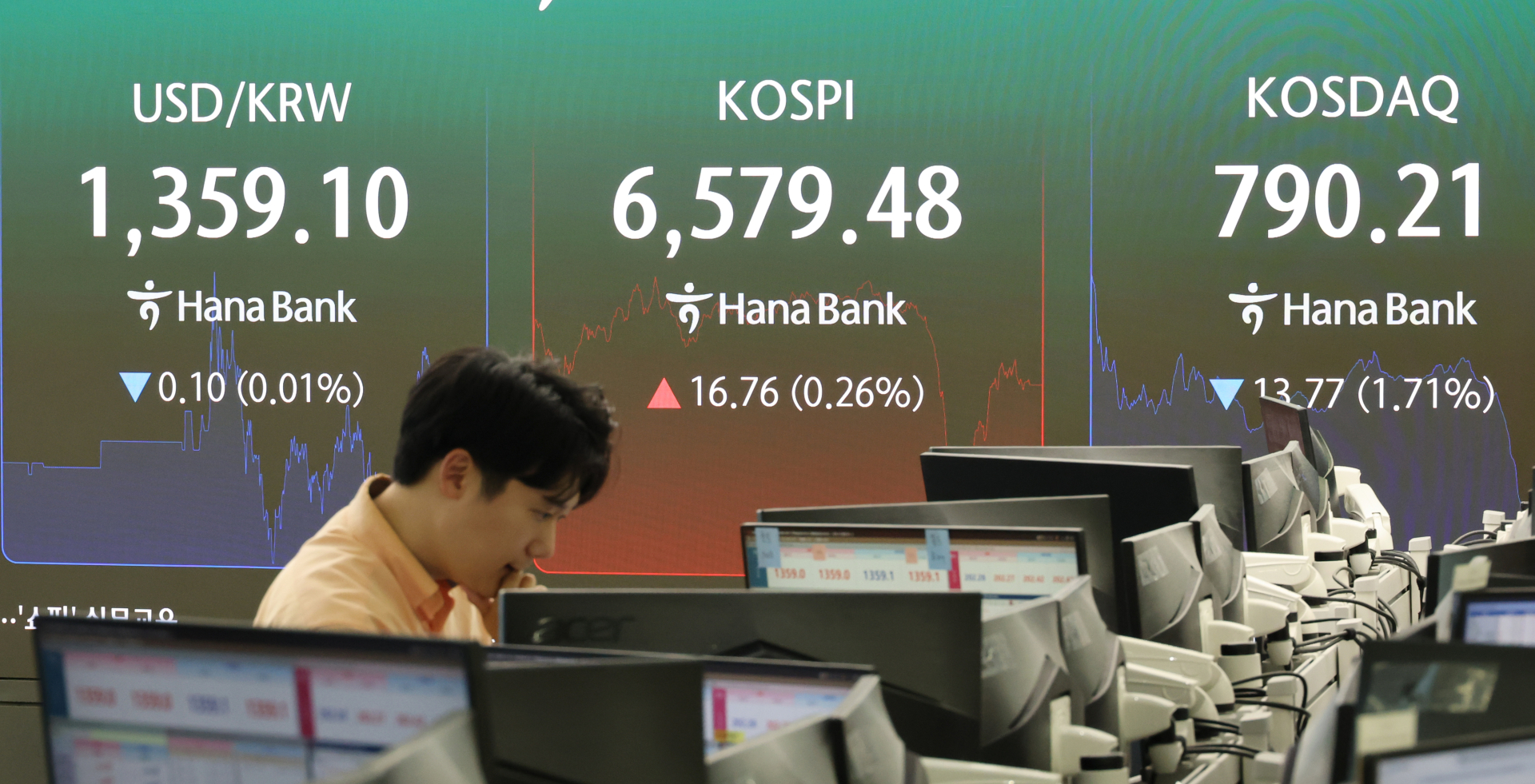
The Korean won closed at approximately 1,368.6 per dollar on August 31, marking a 3.9 won strengthening move, but continued to appreciate in early September, dropping into the 1,350s for the first time in 14 months. This decline was driven primarily by month-end and custody dollar selling by exporters, which overwhelmed the hawkish stance of Fed Chair Kevin Warsh. By September 3, the won had fallen to the 1,350 range, reflecting strong technical support and reduced hedging demand from local corporates. The strength is also backed by robust tech sector flows, with the won having gained 12% year-to-date against the dollar.
Indian Rupee Hits Two-Month High on RBI Inflow Scheme
The Indian rupee strengthened by 47 paise to reach a two-month high of 94.26 against the US dollar in early September. This surge was catalyzed by the Reserve Bank of India’s (RBI) successful mobilization of foreign exchange through special deposit schemes, which attracted a total of $136.38 billion by August 31. The RBI has intensified its intervention strategy, actively contesting pressure from higher oil prices by utilizing its boosted reserves. This strategic shift has provided significant support to the rupee, offsetting global dollar strength and domestic inflation concerns.

Rupiah Gains as Dollar Softens Amid Yen Intervention Threats
The Indonesian rupiah continued its upward trajectory, closing at Rp17,630 per dollar on September 4, strengthening from Rp17,650 the previous day. Bank Indonesia’s reference rate (JISDOR) also strengthened to Rp17,636. The rupiah’s gains were supported by a broader weakening of the US dollar, triggered by dovish comments from Fed Governor Christopher Waller and heightened speculation of Japanese authorities intervening to support the yen. Japanese diplomat Atsushi Mimura reaffirmed on September 3 that Tokyo remains ready to act in FX markets, adding to the risk-off sentiment that pressured the dollar across Asia.

Local view
In South Korea, local media highlights the divergence between corporate behavior and market direction. Maeil Business reports that foreign currency deposits have hit record highs as exporters delay selling dollars, anticipating further weakness, while importers aggressively buy at lower levels. This "wait-and-see" approach by exporters creates a complex supply-demand dynamic where spot selling is intermittent rather than continuous.
In India, Hindi-language outlets like Aaj Tak and TV9 are focusing heavily on the success of the RBI’s FCNR(B) scheme, describing it as a "superhit" plan that brought in $136 billion. Stakeholders view this inflow as a critical buffer against oil price volatility, allowing the central bank to intervene more confidently without depleting core reserves.
Context & numbers
- Korean Won (KRW): Closed at ~1,368.6 (Aug 31), moved into the 1,350s by Sept 3. Year-to-date gain vs USD is approximately 12%.
- Indian Rupee (INR): Reached a two-month high of 94.26 per dollar (Sept 3). RBI mobilized $136.38 billion via special deposit schemes.
- Indonesian Rupiah (IDR): Closed at Rp17,630 (Sept 4). JISDOR reference rate strengthened to Rp17,636.
- Korea Current Account: Surplus of $42.08 billion recorded in July 2026.
On the radar
- US Non-Farm Payrolls (NFP): Market focus has shifted to upcoming US employment data, which will dictate the next leg of dollar strength or weakness for Asian currencies.
- Japanese Intervention: Traders remain wary of potential MoF/BOJ intervention in the yen, which could cause sharp spillover effects into KRW and IDR via correlated risk sentiment.
- Middle East Tensions: Escalating US-Iran tensions continue to pose an upside risk to oil prices, which remains a key vulnerability for import-heavy currencies like the INR and THB.
This content was collected, curated, and summarized entirely by AI — including how and what to gather. It may contain inaccuracies. Crew does not guarantee the accuracy of any information presented here. Always verify facts on your own before acting on them. Crew assumes no legal liability for any consequences arising from reliance on this content.
Powered by
