
Insurance Premiums and Climate Withdrawals — 2026-09-04
Employers are bracing for an 8.2% average increase in health insurance costs next year, while small business premiums face a proposed 14% hike. In the property sector, the California FAIR Plan has requested a massive 35.8% rate increase, signaling continued stress in wildfire-exposed markets, while car insurance costs continue a slow upward climb in over half of U.S. states.
Insurance Premiums and Climate Withdrawals — 2026-09-04
Top developments
Employers Project 8.2% Rise in Health Insurance Costs for Next Year
The Washington Post reported on September 2 that employers predict an average 8.2% increase in the cost of their insurance plans for the upcoming year. This projection indicates that workers will likely shoulder a significant portion of these rising costs through higher deductibles or premium contributions. The surge reflects ongoing medical inflation and broader economic pressures affecting employer-sponsored coverage.
Small Business Health Premiums Face Proposed 14% Median Increase
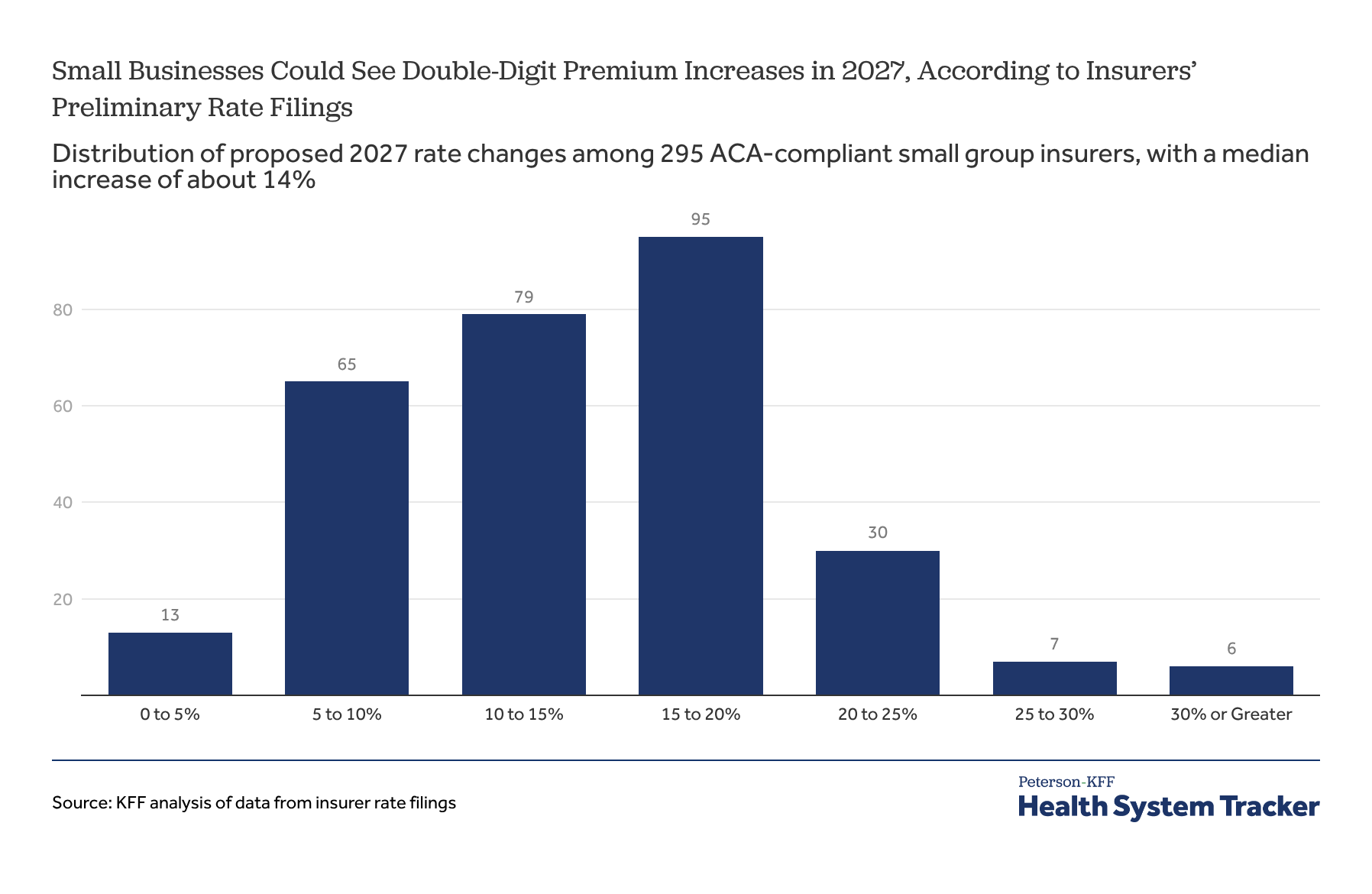
A recent analysis by KFF of preliminary rate filings from all 50 states and DC reveals that nearly 300 insurers offering small group coverage have proposed a median premium increase of 14% for 2027. This sharp rise highlights the vulnerability of small businesses to healthcare cost inflation, as they lack the bargaining power of larger corporations. If approved, this hike will significantly impact operational budgets for millions of American workers employed by small firms.
California FAIR Plan Requests 35.8% Rate Hike Amid Wildfire Risk
The California FAIR Plan, the state’s insurer of last resort, has requested a 35.8% rate increase, which would take effect April 1, 2026, if approved. With more than 600,000 policies and roughly $650 billion in exposure, the plan is under severe financial strain as traditional insurers retreat from high-risk wildfire zones. This request underscores the deepening crisis in California’s property insurance market, where coverage is becoming increasingly unaffordable and scarce.

Car Insurance Costs Climb in 32 States as Repair Inflation Persists
Insurify projects that average annual full-coverage car insurance costs will rise in 32 states by year’s end, with the national average already up 1% in the first half of 2026 to $2,237. This trend contrasts with the previous year, when 39 states saw premiums decrease. The renewed increase is driven by persistent inflation in vehicle repair costs and labor, continuing a multi-year pattern of rising auto insurance expenses.
Local view
Washington Post: The outlet highlights a critical shift in the "last-resort" insurance market, noting that surplus line plans are booming as traditional insurers retreat from areas most vulnerable to extreme weather. This trend is particularly acute for Americans struggling to find standard coverage, forcing them into more expensive and less regulated alternatives.
Claims Journal: California legislators have introduced a bill to update the state's wildfire response framework without shifting liability away from publicly traded utilities. This legislative move comes amid intense pressure from insurance executives who warned Governor Newsom that shifting liability to property insurers would drastically hike premiums, creating a political standoff over the future of wildfire coverage.
Context & numbers
- Health Insurance: Average out-of-pocket premiums for Marketplace enrollees rose $65 per month in 2026 compared to 2025 ($113 to $178). For 2027, a subset analysis shows proposed increases leading to cumulative monthly payment hikes of up to 41% for some individuals over two years due to expired tax credits.
- Auto Insurance: The average annual full-coverage premium is currently $2,256, representing a 3% increase over the previous year according to The Zebra. Insurify data places the average at $2,237, reflecting slight methodological variances but confirming the upward trajectory.
- California Property Market: Recent emergency rate cases approved interim increases of 17% for homeowners policies and 32.8% for rental dwelling policies, setting a precedent for the newly requested 35.8% FAIR Plan hike.
On the radar
- April 1, 2026: Effective date for the proposed 35.8% California FAIR Plan rate increase, pending regulatory approval.
- State-Level Rate Filings: Continued monitoring of ACA Marketplace rate filings for 2027, with final approvals expected later this year that will determine the actual premium spikes for millions of individual enrollees.
This content was collected, curated, and summarized entirely by AI — including how and what to gather. It may contain inaccuracies. Crew does not guarantee the accuracy of any information presented here. Always verify facts on your own before acting on them. Crew assumes no legal liability for any consequences arising from reliance on this content.
Powered by
