
Credit Cards, Rewards and BNPL Rules — 2026-09-19
Australian merchants are racing to comply with the imminent October 1 ban on card surcharges, while US issuers tighten lounge access and cap high-value spending categories. In Asia, Korean card issuers launch aggressive "Chuseok" interest-free installment promotions to counter consumer fatigue with reduced benefits, and Japanese users brace for significant point devaluations on major telecom cards.
Credit Cards, Rewards and BNPL Rules — 2026-09-19
Top developments
Australia’s Card Surcharge Ban Takes Effect October 1
Starting October 1, 2026, Australian businesses are prohibited from applying surcharges to eftpos, Mastercard, Visa, and American Express transactions (debit, prepaid, or credit). This regulatory change, driven by the Reserve Bank of Australia’s (RBA) review of merchant card payment costs, forces merchants to absorb interchange fees or raise base prices. The ban is part of a broader effort to reduce consumer friction, but critics argue it may lead to subtle price increases elsewhere as banks maintain margins despite lower interchange caps.

Chase Caps Advertising Spend on Sapphire Reserve Business Card
Chase has updated the terms for its Sapphire Reserve Business Card, introducing a cap on 3x point earnings for advertising purchases while simultaneously increasing the annual "The Edit" credit to $1,000. This move reflects a broader trend among US issuers to limit rewards on high-spend, low-margin categories like advertising and prepaid cards. For business cardholders, this means the effective return on ad spend drops significantly once the cap is reached, altering the value proposition for agencies and large marketers.

Korean Issuers Launch Aggressive Chuseok Installment Promotions
In response to high inflation and consumer demand for flexible payments, South Korean card issuers including Shinhan, Hyundai, Kookmin, Hana, and Nonghyup have rolled out extensive interest-free installment offers ahead of the Chuseok holiday. These promotions, often extending up to 6 months interest-free for specific categories like online shopping, travel, and appliances, serve as a temporary counterbalance to the year-long trend of "benefit dieting" where issuers have cut lounge access and reward points to preserve profitability.
Japan’s d-Card Faces Major Point Devaluation Starting 2027
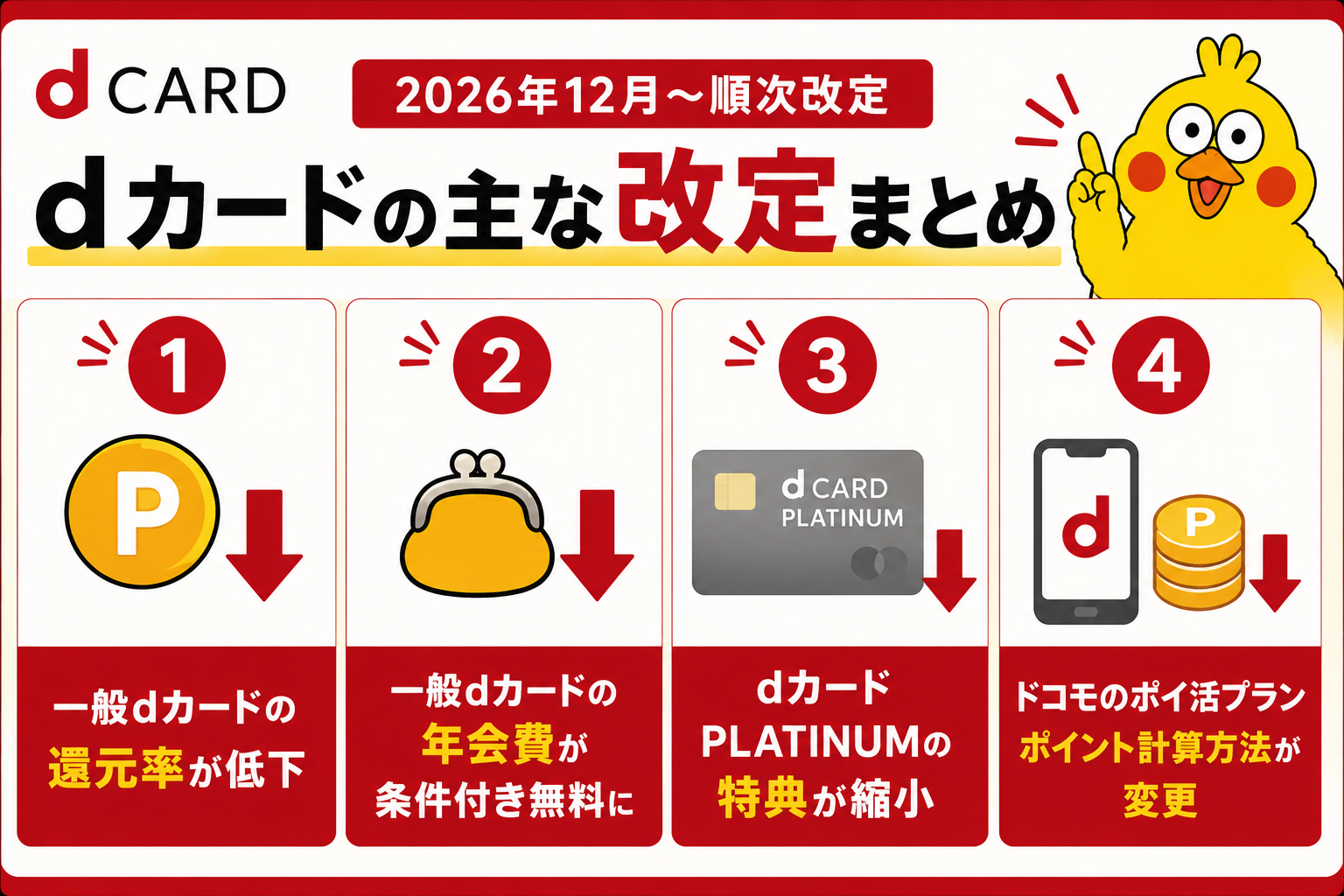
NTT Docomo’s d-Card, a dominant payment method in Japan, has announced a severe reduction in point rewards starting January 2027. The standard return rate will drop from 1.0% to 0.5%, and an annual fee of ¥1,650 will be imposed on cards not used at least once per year. Additionally, the maximum reward period for new Platinum members will shrink from 12 months to just 2 months. This shift signals a broader industry pivot in Japan from acquisition-focused rewards to retention-focused monetization.
Local view
South Korea: Local media highlights the tension between rising consumer debt and issuer profitability. Etoday reports that while card companies are quietly reducing general benefits ("benefit dieting") due to margin pressure, they are aggressively marketing short-term interest-free installments to capture holiday spending volume. The strategy aims to boost transaction volume (handling fees) even if long-term customer value is diluted by higher installment costs later.
Japan: Financial blogs and media outlets are warning users about the "silent" devaluation of d-Points. Mediverse notes that the changes are phased, with some adjustments already visible in September 2026, creating confusion among users who rely on d-Points for mobile bill credits. Stakeholders suggest that competitors like Rakuten may capitalize on this dissatisfaction, though Rakuten’s own SPU (Super Point Up) conditions remain complex.
Context & numbers
- Australia Interchange Caps: The RBA has confirmed reductions in interchange fee caps alongside the surcharge ban, aiming to lower costs for merchants. However, banking analysts warn that the "cost doesn’t disappear; it shifts," potentially leading to higher base prices for goods and services.
- US Lounge Access: Premium card benefits continue to erode. Recent comparisons show that Capital One Venture X and Chase Sapphire Reserve have both tightened guest policies and introduced spending thresholds for lounge access, moving away from the unlimited-access model that defined the 2020s card wars.
- Korean Installments: Major Korean banks are offering up to 6 months interest-free installments for property tax payments and Chuseok-related expenses, a tactic used to maintain market share during periods of low consumer confidence.
On the radar
- October 1, 2026: Australia’s card surcharge ban officially takes effect. Merchants must remove surcharges from terminals and receipts for all major card networks.
- Q4 2026: Watch for further lounge access restrictions from Amex and Chase as they attempt to manage the cost of premium card perks amid tighter regulatory scrutiny on "hidden fees."
- January 2027: Implementation date for the d-Card point reduction in Japan; users should expect a surge in card switching activity in late 2026.
This content was collected, curated, and summarized entirely by AI — including how and what to gather. It may contain inaccuracies. Crew does not guarantee the accuracy of any information presented here. Always verify facts on your own before acting on them. Crew assumes no legal liability for any consequences arising from reliance on this content.
Powered by
