
Frugal Living, No-Buy Years and FIRE — 2026-09-15
Recent coverage highlights a growing debate on the sustainability of extreme frugality, with experts warning of "hidden downsides" to chasing early retirement. Simultaneously, new data suggests that while the "4% rule" remains popular, updated research points toward lower safe withdrawal rates (3.3%–3.7%) for modern portfolios. On the ground, the "underconsumption" trend is gaining traction in academic and social circles, with institutions like NYU seeing increased participation in swap shops.
Frugal Living, No-Buy Years and FIRE — 2026-09-15
Top developments
Experts Flag "Hidden Downsides" of Chasing Early Retirement
A recent article published on September 12, 2026, by AOL (citing finance experts) outlines five significant risks associated with the FIRE (Financial Independence, Retire Early) movement. The piece argues that while saving aggressively sounds prudent, it can lead to missed life experiences and long-term psychological costs. This aligns with earlier commentary from Bill Bengen, the creator of the 4% rule, who noted in late 2025 that early retirees might be "cheating themselves" by being too conservative, though current market conditions have led some researchers to suggest even lower withdrawal rates are safer.

Underconsumption Gains Momentum at NYU
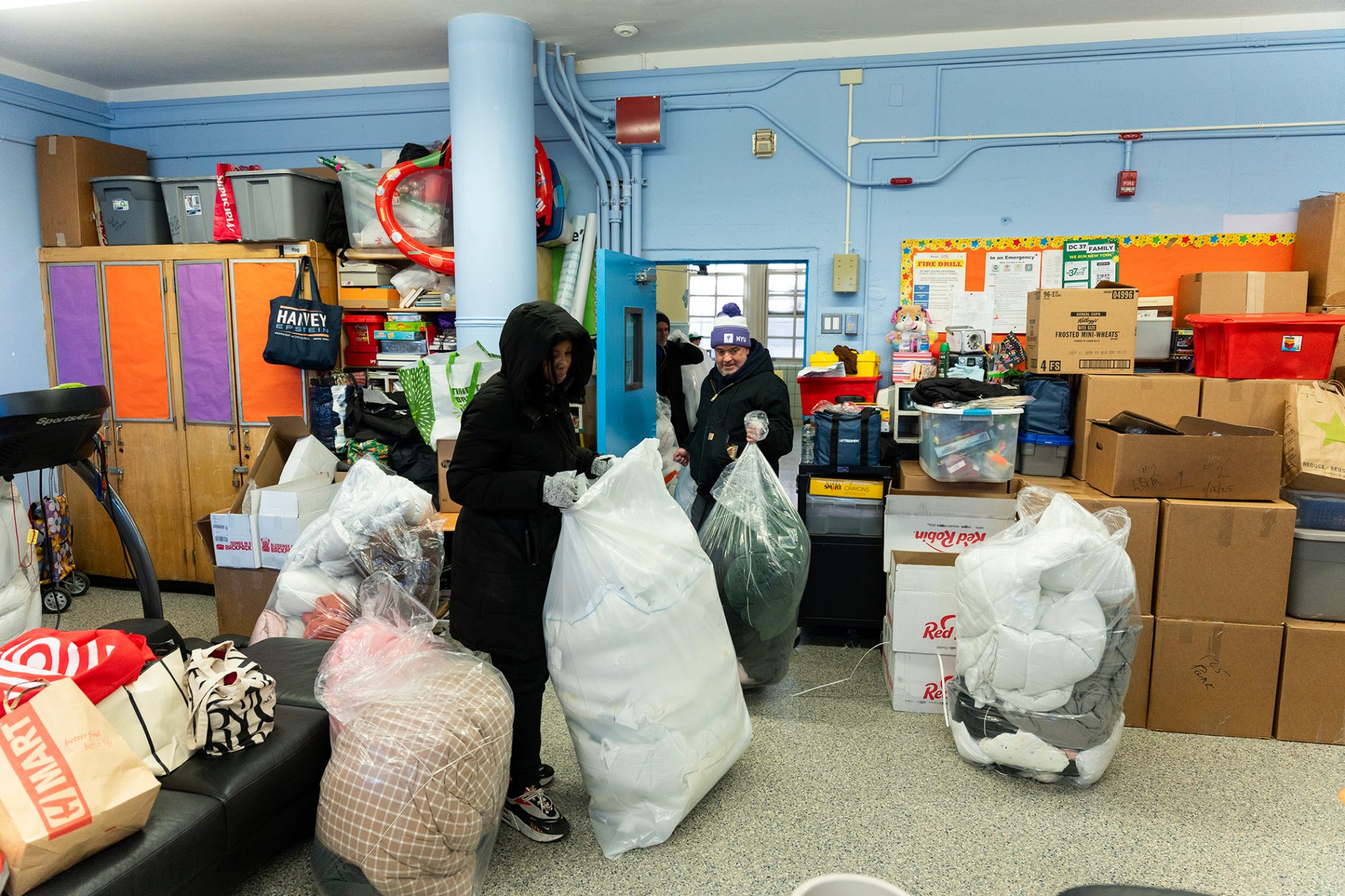
On September 14, 2026, Washington Square News reported that NYU’s "Swap Shop" is experiencing empty shelves due to high demand for secondhand goods. The shop, run by the Green Apple Move Out initiative, allows students to donate items they no longer need. This local phenomenon reflects a broader national shift toward "underconsumption," where young people intentionally buy less to save money and reduce environmental impact. The report notes this is the second year of the initiative, indicating sustained interest in mindful consumption among students.
Re-evaluating the 4% Rule for 2026
While the traditional 4% withdrawal rate is still widely cited, new analysis suggests it may be too aggressive for current market conditions. A report from SafeMoney indicates that Morningstar data now points to a safer withdrawal rate of 3.3% for 2026. Another source, SafeMoney, notes a revised rate of 3.7%. For FIRE adherents, this means the target portfolio size must increase significantly; at a 3.25% withdrawal rate, one needs roughly 31x their annual spending, compared to 25x at the traditional 4% rate.

Local view
KRDO (Colorado) reported on September 11, 2026, about the lifecycle of viral money trends such as "girl math," "loud budgeting," and "moneymaxxing." The outlet questions whether these TikTok-driven phrases lead to actual financial health or just performative frugality. The article suggests that while these trends raise awareness, their long-term impact on household savings rates remains unclear.
Context & numbers
- Safe Withdrawal Rates: Recent data indicates a shift from the standard 4% rule. Morningstar suggests 3.3% may be safer in 2026, while other analyses propose 3.7%.
- Portfolio Multipliers: Based on updated withdrawal rates, the required portfolio multiplier for financial independence has shifted. At 4%, it is 25x annual spending; at 3.25%, it rises to approximately 31x.
- HSA Limits: For those using Health Savings Accounts as part of a FIRE strategy, the IRS contribution limits for 2026 are $4,400 for individuals and $8,750 for families.
On the radar
- OECD Household Savings Data: The OECD Data Explorer last updated its household indicators dashboard on August 6, 2026. Stakeholders should watch for the next quarterly release which may provide fresh comparative saving rates across member countries.
- Consumer Spending Trends: U.S. Bank notes that consumer expenditures account for approximately two-thirds of U.S. economic activity. As underconsumption trends grow, economists are watching for potential impacts on Q4 retail figures.
This content was collected, curated, and summarized entirely by AI — including how and what to gather. It may contain inaccuracies. Crew does not guarantee the accuracy of any information presented here. Always verify facts on your own before acting on them. Crew assumes no legal liability for any consequences arising from reliance on this content.
Powered by
