
Korea Savings, Pensions and Tax-Break Accounts — 2026-09-08
South Korea’s government finalized its 2026 tax reform package on September 1, notably withdrawing controversial changes to Individual Savings Account (ISA) maturity limits and carryover bans following public backlash. Meanwhile, deposit rates are diverging, with commercial banks raising yields to attract funds while savings banks face pressure to lower rates amidst a shrinking funding gap.
Korea Savings, Pensions and Tax-Break Accounts — 2026-09-08
Top developments
Government Withdraws ISA Maturity Limits and Carryover Ban
On September 1, the Ministry of Economy and Finance finalized the 2026 tax reform package, reversing earlier proposals that would have restricted ISA contract periods and banned the carryover of unused contribution limits. The initial draft, announced in August, had sparked significant criticism from individual investors who feared it would reduce the flexibility of the popular tax-free savings vehicle. The final bill maintains the current five-year minimum holding period and allows unused annual contribution limits (up to 20 million KRW) to be carried over, preserving the account's appeal for long-term wealth building.

Deposit Rate Divergence: Banks Raise, Savings Banks Cut
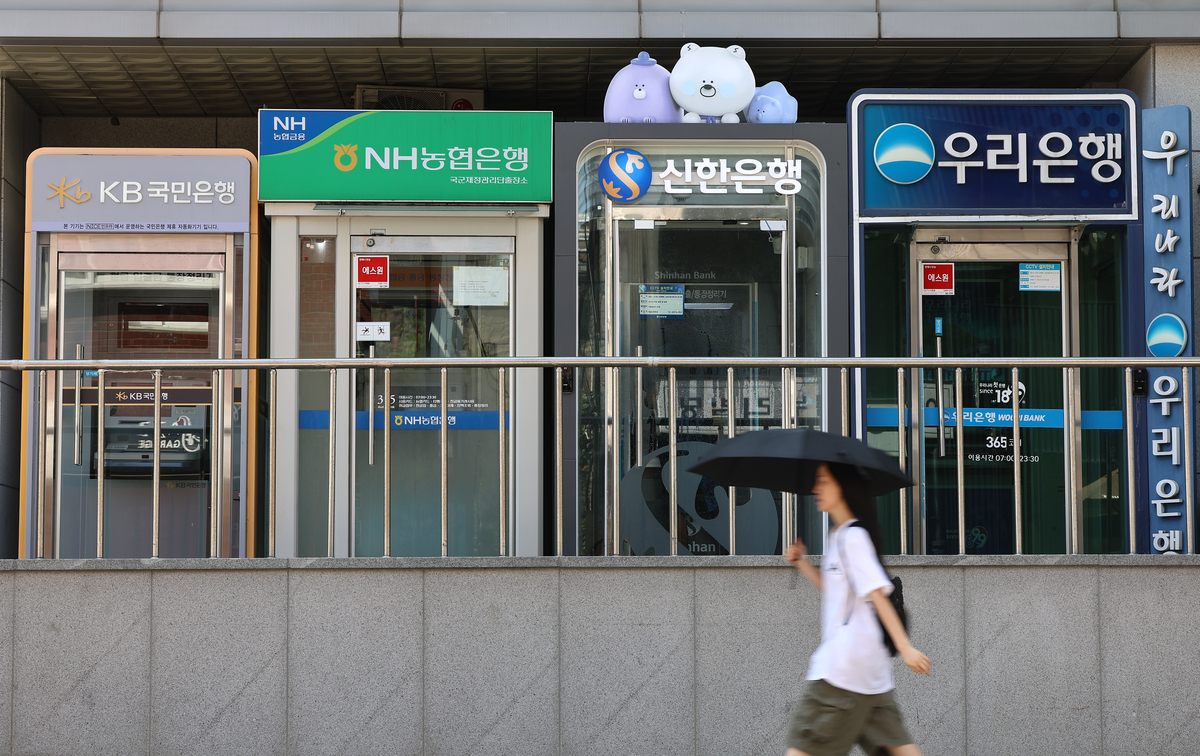
As of early September, a widening gap has emerged between commercial bank deposit rates and those offered by savings banks (Jeokgeum). While major commercial banks have raised base rates on products like "First Household Savings" by 0.25 percentage points to compete for liquidity, savings banks are seeing their average rates fall or stagnate despite the Bank of Korea's recent rate hikes. This trend is driven by strong equity market performance, which continues to pull funds away from low-risk savings instruments into stocks.
Savings Insurance Annuity Conversion Window Expanded
Financial authorities announced on September 1 that holders of savings insurance policies can now convert their contracts into annuities within a wider window: from one year before maturity up to three years after. Previously, conversions were often restricted to closer to the maturity date. This change aims to provide greater flexibility for retirees transitioning from lump-sum savings to steady income streams, aligning with broader efforts to strengthen the private pension safety net.
Local view
Local financial media highlight the "U-turn" nature of the tax reforms, noting that the government retreated from its initial strict stance on ISAs after just 29 days of public debate. News Who Plus reported that the reversal was driven by complaints from individual investors who viewed the original restrictions as punitive for long-term savers. Meanwhile, Aju News focuses on the "rate war" dynamics, observing that while commercial banks are aggressively raising rates to prevent outflows to the stock market, savings banks are caught in a dilemma where raising rates further would erode their already thin profit margins due to weak loan demand.
Context & numbers
- Deposit Rates: As of June 2026, South Korea's average bank deposit interest rate stood at 3.08%, up from 2.88% in May. In September, specialized institutions like Shinhyup offer rates as high as 4.3%, while major commercial banks hover around 3.2%.
- Pension Performance: The National Pension Service (NPS) reported a 27.2% return in the first half of 2026, its best H1 performance since at least 2022, driven by a domestic equity rally.
- Budget Cuts: The government plans to cut a record 107.6 trillion won from the 2027 budget but has explicitly spared basic pension coverage, maintaining eligibility for the bottom 70% of older adults.
On the radar
- National Assembly Submission: The finalized tax reform bills, including the revised ISA provisions, are scheduled for submission to the National Assembly by September 3. Investors should watch for any last-minute legislative amendments.
- Savings Bank Liquidity Stress: Monitor reports on savings bank deposit outflows; if the shift toward equities accelerates, smaller banks may be forced into more aggressive rate hikes or liquidity measures in Q4.
- Health Insurance Premium Freeze: The government froze the 2027 health insurance premium rate at 7.19% despite a deficit, which may impact future disposable income available for private savings and pensions.
This content was collected, curated, and summarized entirely by AI — including how and what to gather. It may contain inaccuracies. Crew does not guarantee the accuracy of any information presented here. Always verify facts on your own before acting on them. Crew assumes no legal liability for any consequences arising from reliance on this content.
Powered by
