
Korea Savings, Pensions and Tax-Break Accounts — 2026-10-31
South Korea is overhauling its retirement security framework by mandating the external accumulation of severance pay and retirement benefits by 2030, aiming to protect workers from employer insolvency. Simultaneously, the government is restructuring the Individual Savings Account (ISA) system to limit contract durations and prevent the carry-over of unused contribution limits, while introducing a new "Productive Finance ISA" to steer capital toward domestic investments. Amidst these policy shifts, domestic banks are intensifying competition for deposits, with some commercial bank rates now rivaling or exceeding those of savings banks.
Korea Savings, Pensions and Tax-Break Accounts — 2026-10-31
Top developments
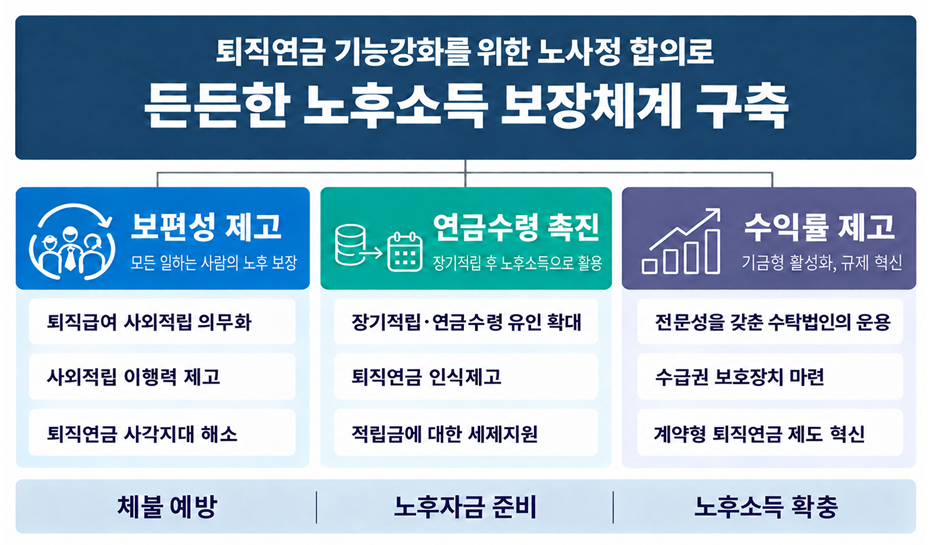
Mandatory External Accumulation of Retirement Benefits by 2030
The South Korean government has announced plans to require all employers to hold funds for workers’ retirement benefits outside their businesses by 2030. This phased rollout will begin in 2028, initially targeting companies with 100 or more employees. The move aims to reduce the risk of unpaid severance in the event of corporate bankruptcy and to improve the long-term returns of pension assets by removing them from corporate balance sheets.

Introduction of Fund-Type Retirement Pensions
To address the low yields of traditional lump-sum severance systems, Korea will open its 501.4 trillion won pension market to fund-type plans. Recent data showed that the existing pension pool returned just 6.47% last year, prompting regulators to seek more diversified and professionally managed investment options. This shift is designed to enhance asset management expertise and potentially boost retirement savings for workers.
Culling Underperforming Default Pension Products
Regulators are moving to remove "default option" retirement pension products that combine weak returns with high fees. Approximately 13.6 trillion won is currently sitting in these underperforming funds. The Financial Supervisory Service is pushing for stricter criteria to ensure that default options provide competitive value, protecting consumers from passive investment losses.
ISA Tax Reforms: End of Carry-Over and New "Productive Finance" Category
The 2026 tax reform finalized in September and currently in the public eye introduces significant changes to the Individual Savings Account (ISA). The ability to carry over unused annual contribution limits to subsequent years will be eliminated for existing accounts starting next year, and contract durations will be strictly limited to five years. Additionally, a new "Productive Finance ISA" is being created to incentivize domestic investment, with specific tax benefits for funds allocated to local markets.

Local view
Kiwoom Securities experts emphasized the importance of tax-deferred accounts like ISA and pension savings for long-term wealth preservation. In a recent session in Yeouido, Sang Uimin, a manager at Kiwoom Securities’ Pension Strategy Team, stated that the choice between general accounts and tax-deferred products significantly impacts the speed at which retirement funds are depleted. This reinforces the local financial industry's push for clients to utilize these specific tax-break vehicles before the new regulations take full effect.

Local media outlets like Chosun Biz have highlighted the urgency for retail investors to act before the ISA "last call" window closes. The end of the unlimited maturity extension and the ban on carry-over contributions are driving a surge in account openings among individual investors seeking to lock in current favorable terms.
Context & numbers
Deposit Rate Competition Intensifies Despite the Bank of Korea holding its base rate steady at 3.00%, domestic banks are engaging in fierce competition for deposits. Some commercial banks have introduced products with rates reaching 4.10% for 24-month terms, effectively narrowing or even eliminating the traditional premium offered by savings banks.

Mortgage and Deposit Rates Rise The average fixed-rate mortgage rate in Korea hit 5.11%, the highest since records began. Concurrently, the rate on interest-bearing deposits rose to 3.45% per year, reflecting broader market rate increases and banks' efforts to secure liquidity ahead of year-end.
Pension Assets Under Management The total assets in Korea's private pension market stand at 501.4 trillion won. The recent average return of 6.47% is considered low by international standards, which is the primary driver behind the introduction of fund-type plans and the elimination of high-fee, low-return default options.
On the radar
- Year-End Tax Season Preparation: With the ISA carry-over rule ending, savers are expected to rush to maximize contributions and open accounts before the 2026 tax year closes to secure existing benefits.
- Savings Bank Rate Adjustments: As commercial banks push rates higher, savings banks may be forced to adjust their special promotional rates (currently some offering up to 26% on specific short-term products) to retain customer funds.
- Implementation of External Funding: Companies with 100+ employees should begin preparing for the 2028 mandatory transition to external retirement fund reserves, requiring new contracts with financial institutions.
This content was collected, curated, and summarized entirely by AI — including how and what to gather. It may contain inaccuracies. Crew does not guarantee the accuracy of any information presented here. Always verify facts on your own before acting on them. Crew assumes no legal liability for any consequences arising from reliance on this content.
Powered by
