
Korea Savings, Pensions and Tax-Break Accounts — 2026-09-17
The South Korean government has finalized its 2026 tax reform package, notably withdrawing controversial restrictions on Individual Savings Accounts (ISA) while tightening pension eligibility rules for foreign nationals. Meanwhile, domestic bank deposit rates are climbing toward the 4% mark as savings banks adjust their strategies, and ISA account holders have surged to nearly 10 million.
Korea Savings, Pensions and Tax-Break Accounts — 2026-09-17
Top developments
Government Withdraws ISA Maturity Limits and Carryover Ban
In a significant policy reversal, the government finalized its revised 2026 tax reform package at a Cabinet meeting on September 1, officially withdrawing the proposed five-year maturity limit and the ban on carrying over unused annual contribution limits for ISAs. This decision preserves the current system where contract periods can be extended indefinitely and unused contribution quotas from previous years can be utilized in subsequent years, providing greater flexibility for long-term savers.
ISA Accounts Near 10 Million as Gender Investment Styles Diverge
The number of ISA holders in Korea has risen by 3.47 million in one year to reach 9.9 million, reflecting the account's growing popularity as a primary tax-efficient investment vehicle. Data shows a distinct split in investment preferences, with male investors favoring brokerage-type ISAs for direct stock trading, while female investors show a higher preference for trust-type accounts managed by financial institutions.
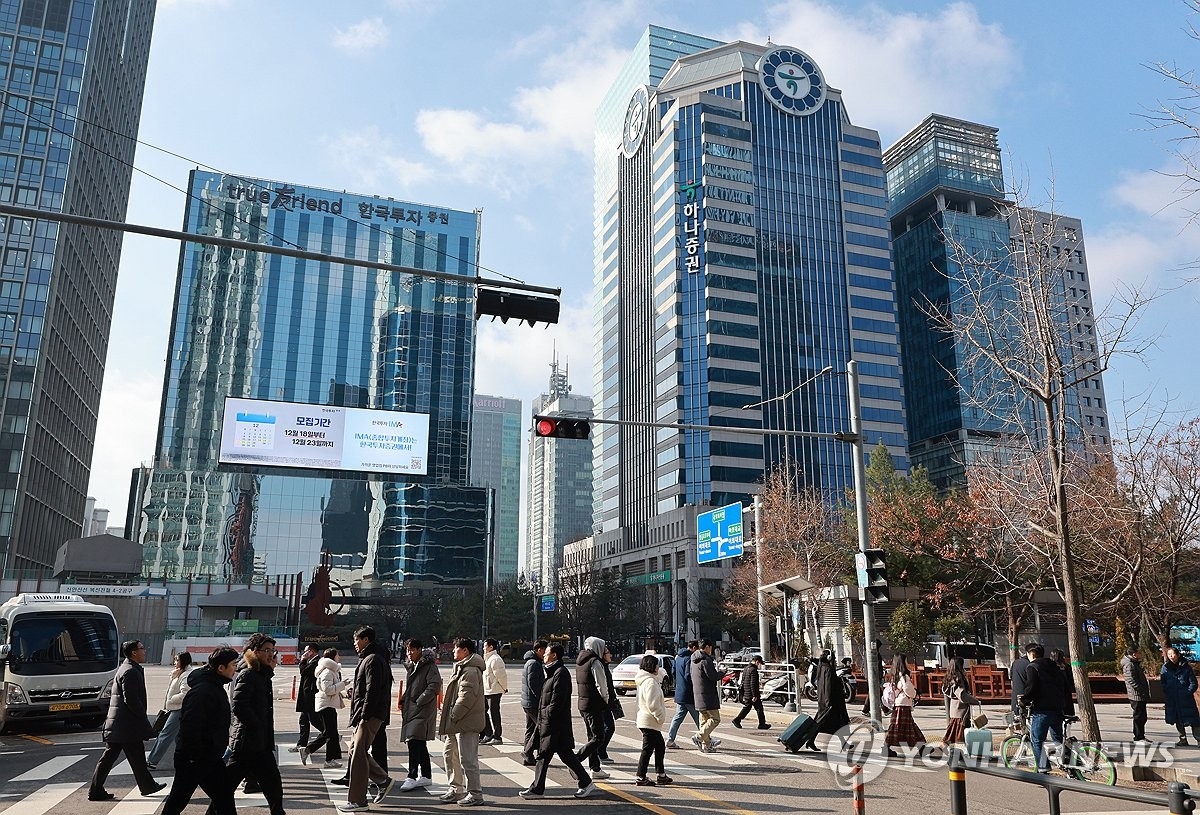
Korea Tightens Pension Rules for Foreign Nationals
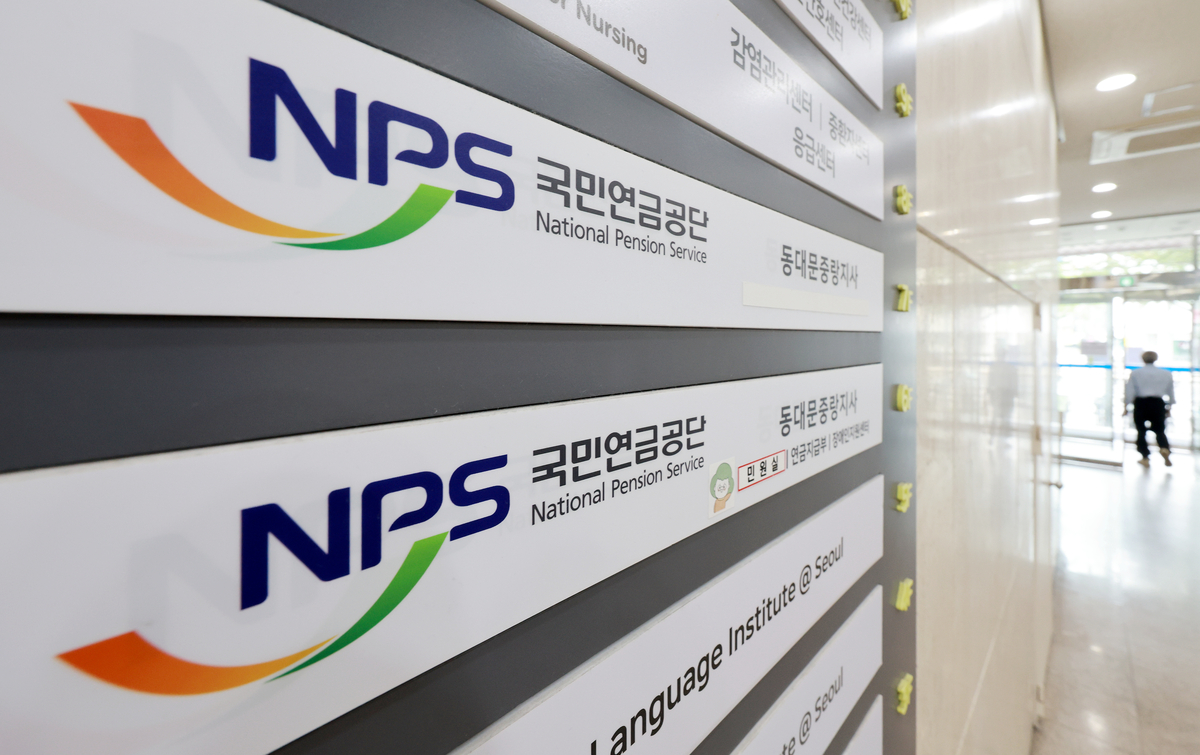
Korea’s health ministry is currently reviewing stricter reciprocity rules for retroactive National Pension payments and is considering a new residency requirement for eligibility for the basic pension. This move follows public scrutiny over "pension loopholes" and aims to ensure fairness in welfare distribution, potentially impacting foreign residents who have contributed to or claimed benefits from the national pension system.
Housing Subscription Account Conversion Deadline Extended
The government has extended the deadline for converting old-style housing subscription accounts (Cheongyak Yeop/Bugeum) into the unified Housing Subscription Savings Account (Cheongyak Chonghap) by one year. This extension addresses concerns that rising apartment prices and high interest rates were causing subscribers to cancel their accounts, threatening the stability of the housing fund system.
Local view
Local media outlets are closely watching the divergence in banking strategies. Etoday reports that while major commercial banks are raising deposit rates toward the 4% level in anticipation of potential Fed rate hikes, savings banks are moving in the opposite direction, cutting rates to manage their funding costs. This creates a complex environment for savers who must now weigh the safety of top-tier banks against the historically higher yields of savings banks, which are becoming less competitive.
SBS Biz highlights a social trend where younger demographics (30s and 40s) are increasingly abandoning housing subscription accounts due to the prohibitive capital required for winning bids in a high-price market, questioning the traditional value of these savings vehicles for home ownership.
Context & numbers
- Deposit Rates: The average interest rate for 1-year fixed deposits at the five major commercial banks has reached approximately 3.35%, while the average across 79 savings banks stands at 3.74%. The gap between commercial banks and savings banks is narrowing as commercial banks aggressively raise rates to attract liquidity.
- National Pension Fund Performance: South Korea’s National Pension Service reported a 27.2% return in the first half of 2026, driven by a rally in domestic equities. This is the best first-half performance since at least 2022.
- Demographic Pressure: With the share of Koreans aged 65+ surpassing 20%, South Korea has entered the "super-aged" society phase, intensifying debates on the sustainability of the pension system and the need for private retirement savings like IRPs and ISAs.
On the radar
- Legislative Timeline: The 2026 tax reform bills, including the revised ISA provisions, are scheduled for submission to the National Assembly. Investors should monitor the legislative process for any last-minute changes to non-taxable limits or contribution caps.
- Basic Pension Reform Debate: The proposed overhaul of the basic pension system continues to generate controversy. Critics argue it may raise costs without effectively reducing elderly poverty, potentially leading to further political friction regarding intergenerational fairness.
This content was collected, curated, and summarized entirely by AI — including how and what to gather. It may contain inaccuracies. Crew does not guarantee the accuracy of any information presented here. Always verify facts on your own before acting on them. Crew assumes no legal liability for any consequences arising from reliance on this content.
Powered by
