
Korea Savings, Pensions and Tax-Break Accounts — 2026-09-09
South Korean banks are aggressively raising deposit rates, with Shinhan Bank hiking by up to 0.3 percentage points as time deposits surge, while savings banks see rates fall due to liquidity shifts. Meanwhile, the finalized 2026 tax reform package has clarified ISA rules, retaining key tax benefits but introducing stricter limits on contribution carryovers to encourage long-term domestic investment.
Korea Savings, Pensions and Tax-Break Accounts — 2026-09-09

Banks Raise Deposit Rates Amid Money Shift
Shinhan Bank raised its deposit rates by up to 0.3 percentage points in early September, reflecting a broader industry trend where time deposits at Korea’s five major banks jumped by 20 trillion won in just one month. This move comes as the Bank of Korea’s recent base rate hikes have pushed commercial bank deposit yields into the 3% range, making traditional savings more attractive compared to volatile equity markets.
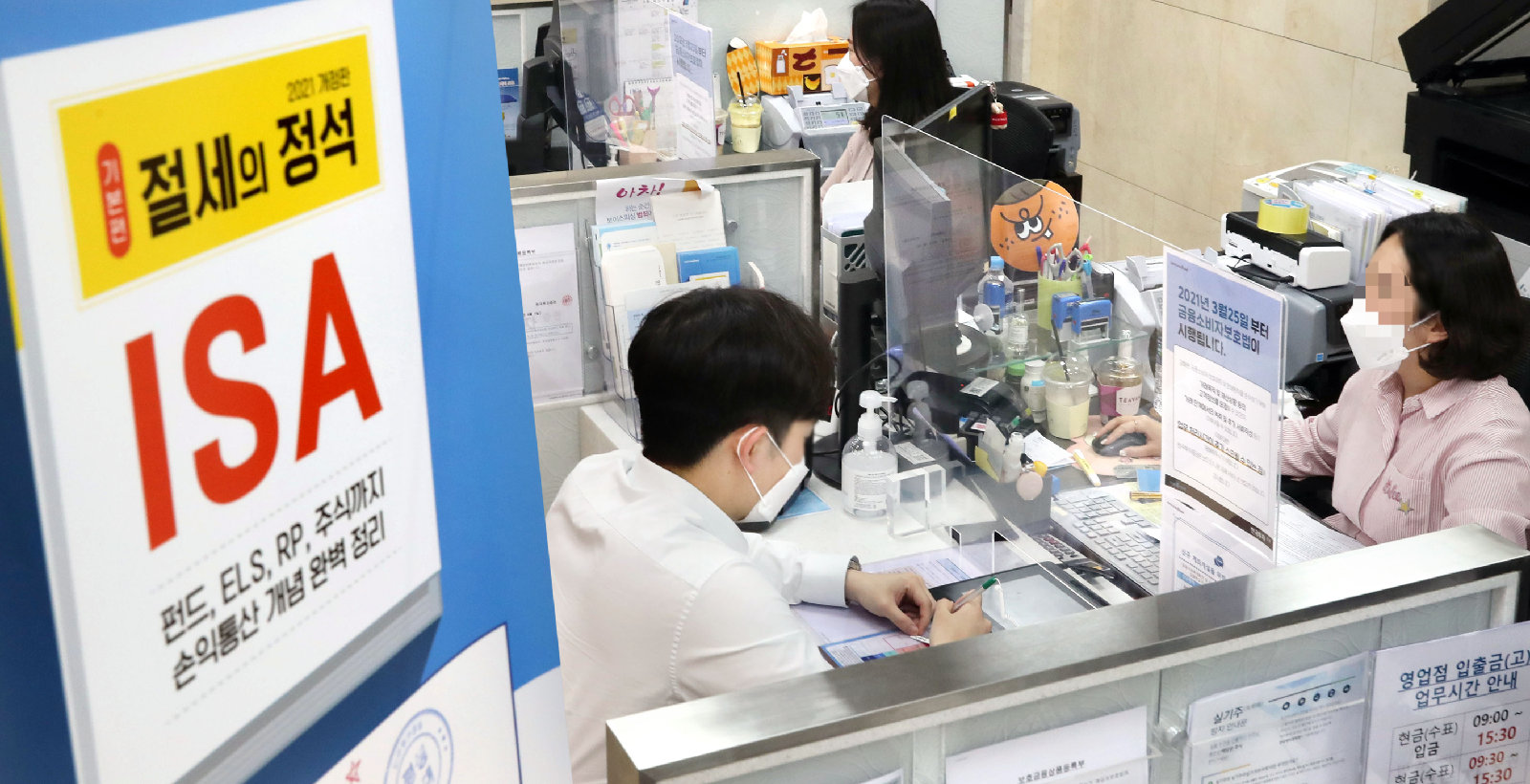
Savings Banks Cut Rates Despite Base Rate Hikes
In a divergence from commercial banks, nationwide savings banks saw their average one-year fixed deposit rate drop from 3.95% in July to 3.74% in September. This decline occurs despite the central bank’s consecutive base rate increases, driven by reduced pressure for savings banks to compete for deposits as funds migrate toward higher-yielding or more secure commercial bank products.
Finalized Tax Reform Keeps ISA Benefits but Limits Carryovers
The government finalized its 2026 tax reform package on September 1, maintaining the Individual Savings Account (ISA) contract period and contribution limits but withdrawing previous proposals to ban carryovers entirely. However, the final plan restricts the ability to roll over unused annual contribution limits from previous years, aiming to encourage consistent long-term investment rather than lump-sum front-loading. The new rules also allow for duplicate enrollment in youth-type accounts and maintain tax-free limits of 2 million won for general accounts and 4 million won for low-income accounts.
NH Savings Bank Launches High-Yield "Green" Savings Product
NH Savings Bank introduced a special promotional savings account offering an annual interest rate of up to 6%, limited to the first 800 customers. The product requires a monthly contribution of up to 300,000 won and offers preferential rates for customers who pledge to participate in eco-friendly practices, highlighting the competitive landscape among smaller financial institutions.
Local view
Local media outlets such as Aju News highlight the narrowing gap between commercial and savings bank deposit rates, noting that while commercial banks are raising rates to capture liquidity, savings banks are lowering theirs due to improved capital adequacy and reduced funding pressure. This dynamic is creating a "reverse money move" where depositors are reassessing where to park cash based on stability rather than just yield.
Additionally, Financial News reports that the one-year anniversary of raising the deposit protection limit to 100 million won has not triggered the expected massive shift of funds from savings banks to commercial banks. Instead, many depositors remain in savings banks for their higher relative yields, although the gap is closing.
Context & numbers
- Deposit Rates: As of June 2026, South Korea’s average bank deposit interest rate stood at 3.08%, up from 2.88% in the previous month.
- Time Deposits: Time deposits at Korea's top five banks increased by 20 trillion won in August 2026 alone.
- Savings Bank Profits: The top 20 savings banks reported that their net profits in the first half of 2026 tripled compared to the same period last year, aided by normalized liquidity ratios.
- Tax-Free Limits: The finalized 2026 tax reform maintains the ISA tax-free limit at 2 million won for general accounts and 4 million won for low-income/special accounts, with a total annual contribution cap of 20 million won.
On the radar
- Legislative Timeline: The finalized tax reform bill is scheduled to be submitted to the National Assembly by September 3, with potential implementation of new ISA rules in early 2027 if passed during the regular session.
- Savings Insurance Limits: For high-net-worth individuals, the tax-free limit for lump-sum savings insurance remains at 100 million won per person, while monthly installment plans are capped at 1.5 million won per month under the Income Tax Act enforcement decree. Exceeding these limits triggers full taxation on the contract.
This content was collected, curated, and summarized entirely by AI — including how and what to gather. It may contain inaccuracies. Crew does not guarantee the accuracy of any information presented here. Always verify facts on your own before acting on them. Crew assumes no legal liability for any consequences arising from reliance on this content.
Powered by
