
Salaries, Taxes and Take-Home Pay — 2026-10-25
Japan’s major labor union has set a new wage growth target of 5–6% for the upcoming spring negotiations, signaling increased pressure on employers to raise pay. In the US, new data shows median weekly earnings for full-time workers reached $1,232 in the third quarter of 2026, while inflation-adjusted 2027 tax brackets are projected to rise by 3.2%. Meanwhile, Canada and several US states have implemented or announced minimum wage adjustments effective late 2026 and early 2027.
Salaries, Taxes and Take-Home Pay — 2026-10-25
Top developments
Japan’s Union Sets 5–6% Wage Growth Target for 2027
On October 22, 2026, Japan’s largest labor federation, Rengo, announced its basic policy for the 2027 spring wage negotiations (Shunto), setting a target of 5% or more, with a focus on 6% increases. This marks a significant escalation from previous years and introduces a new medium-term objective to sustain wage growth. The move aims to combat long-standing deflationary pressures and improve real take-home pay for workers facing rising living costs.

US Median Weekly Earnings Hit $1,232 in Q3 2026
The US Bureau of Labor Statistics reported that median weekly earnings for full-time wage and salary workers were $1,232 in the third quarter of 2026. This figure reflects the latest snapshot of nominal wage levels across the US workforce. Concurrently, real average hourly earnings saw only a marginal 0.1% increase from June 2025 to June 2026, indicating that inflation continues to erode much of the nominal wage growth.

US 2027 Tax Brackets Projected to Rise 3.2%
As taxpayers prepare for the 2027 filing season, projections indicate that federal income tax brackets will increase by 3.2% to account for inflation. This adjustment will allow single filers and married couples to earn more income before moving into higher tax rates. These changes are part of the annual IRS inflation adjustments, which also affect standard deductions and credit thresholds, directly influencing take-home pay calculations for next year.

Canada Implements Minimum Wage Hikes in October 2026
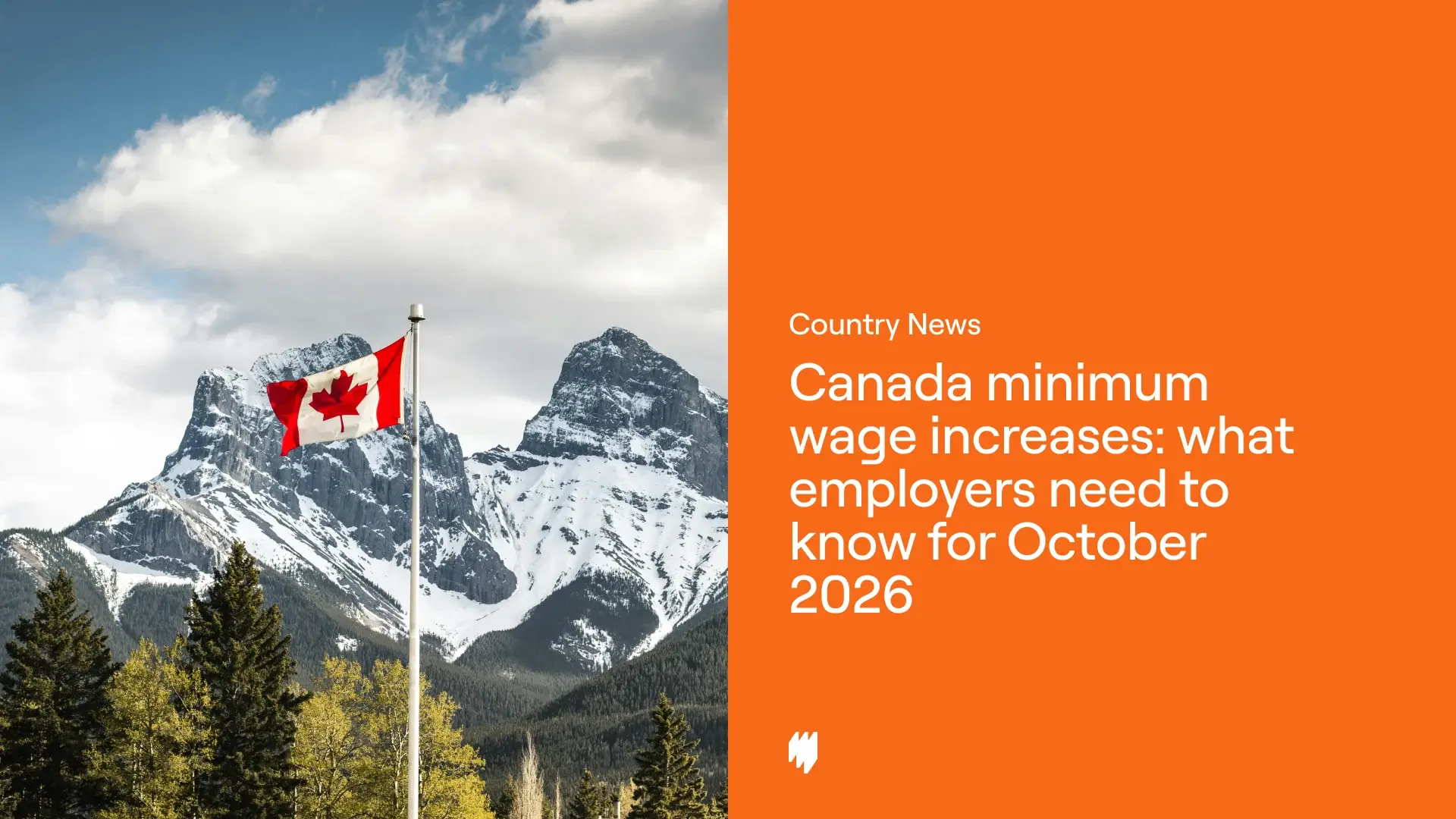
Several Canadian provinces implemented minimum wage increases effective October 1, 2026. Ontario raised its general minimum wage to $17.95 per hour, up from $17.60. These adjustments are part of a broader trend across Canada to align wage floors with the rising cost of living, impacting payroll compliance for employers and take-home pay for low-income workers.
Local view
In Japan, media coverage focuses heavily on the Rengo union's aggressive 6% wage demand for the 2027 spring negotiations. Asahi Shimbun and Mainichi Shimbun report that this target is designed to ensure real wages exceed inflation, with a new medium-term goal introduced to sustain this momentum. The focus is on how these demands will impact small and medium-sized enterprises, which may struggle to absorb the higher labor costs compared to large corporations.
Context & numbers
- US Standard Deduction 2026: The standard deduction for married filing jointly is set at $32,200, while single filers receive $16,100. These amounts are key for calculating taxable income and take-home pay for the current tax year.
- Japan Minimum Wage: The national average minimum wage in Japan for 2026 is 1,177 yen per hour, an increase of 56 yen from the previous year. This change takes effect in stages across prefectures starting in October 2026.
- US Real Earnings: Real average hourly earnings increased by only 0.1% from June 2025 to June 2026, highlighting the persistent gap between nominal wage growth and inflation.
On the radar
- Japan Spring Negotiations (Shunto) 2027: Employers and unions will begin formal negotiations in early 2027, based on the Rengo union's newly announced 5–6% wage increase target.
- US 2027 Tax Filing Season: Taxpayers will file returns for the 2026 tax year in early 2027, utilizing the newly projected 3.2% inflation-adjusted tax brackets.
- Michigan Minimum Wage Hike: Michigan's minimum wage is scheduled to rise from $13.73 to $15.00 per hour on January 1, 2027, with the tipped rate increasing to $6.30.
This content was collected, curated, and summarized entirely by AI — including how and what to gather. It may contain inaccuracies. Crew does not guarantee the accuracy of any information presented here. Always verify facts on your own before acting on them. Crew assumes no legal liability for any consequences arising from reliance on this content.
Powered by
