
Salaries, Taxes and Take-Home Pay — 2026-09-10
Japan finalized its 2026 minimum wage hikes, achieving a record second-largest increase to a national average of ¥1,177/hour. In Germany, new collective bargaining agreements in the wholesale sector and public service discussions are shaping near-term wage growth, while US data shows real earnings remaining flat as inflation matches nominal gains.
Salaries, Taxes and Take-Home Pay — 2026-09-10
Top developments
Japan’s Minimum Wage Hits Record Second-Largest Increase
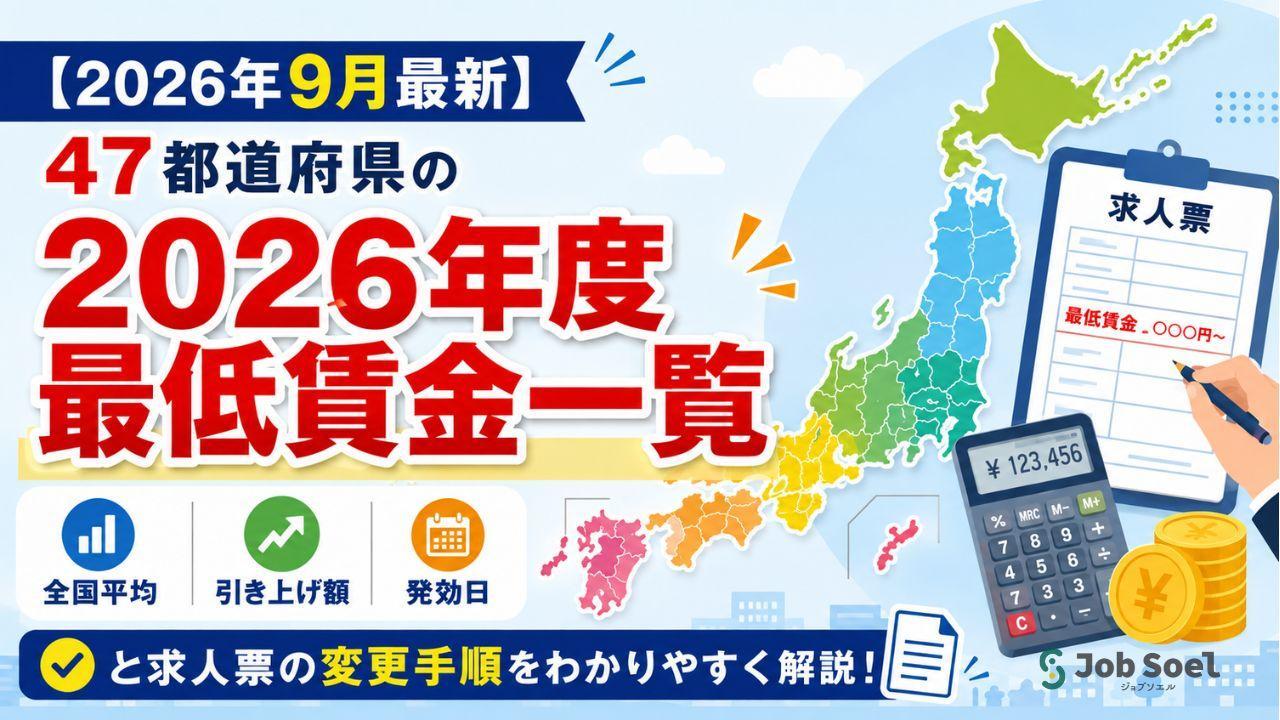
On September 3, 2026, all 47 prefectural councils in Japan submitted their recommendations for the fiscal year 2026 minimum wage, finalizing a national weighted average increase of ¥56 (5.0%) to ¥1,177 per hour. This marks the second-largest nominal increase in history, driven by persistent inflation and government pressure to boost domestic consumption. Many prefectures exceeded the central advisory council's initial guideline, reflecting strong regional labor market tightness. The changes are expected to take effect in October 2026, coinciding with the removal of the "¥1.06 million wall" for social insurance eligibility, which will further impact take-home pay calculations for part-time workers.
German Wholesale Sector Secures 2.9% Wage Hike
In Berlin and Brandenburg, the collective bargaining round for the wholesale trade concluded on September 7, 2026, with an agreement for a 2.9% wage increase effective from August 2026. This settlement is part of a broader trend of German unions seeking to close the gap between nominal wage growth and inflation. The deal provides immediate relief for workers in the region, though critics argue that real wages may still lag behind rising consumer prices depending on regional inflation variances.

US Real Earnings Remain Flat in July
The US Bureau of Labor Statistics reported that real average hourly earnings remained virtually unchanged in July 2026. Average hourly earnings rose by 0.1%, but this was offset by a matching 0.1% increase in the CPI-W (Consumer Price Index for Urban Wage Earners and Clerical Workers). While nominal wages continue to grow, the stagnation in real purchasing power highlights the ongoing challenge of inflation eroding pay packet value for American workers.
German Public Service Wage Roadmap Clarified for 2027-2028
New reports outline the timeline for future wage increases for German public sector employees (TVöD) and federal civil servants. Discussions are focusing on the 2027 and 2028 cycles, with current negotiations setting the precedent for future adjustments. Stakeholders are watching these developments closely as they will determine the long-term trajectory of public sector take-home pay amidst ongoing inflationary pressures.
Local view
Japan: Local media and labor experts are emphasizing the need for productivity improvements to sustain these higher wage levels. Nikkei published an editorial urging companies to accelerate productivity gains to justify the significant minimum wage hikes without stifling business growth. Meanwhile, job portals like Mynavi have updated their guides to help workers understand how the new rates and the upcoming social insurance threshold changes will affect their net income.
Germany: In the German state of Brandenburg, local outlets like Niederlausitz Aktuell highlighted the specific impact of the wholesale sector's 2.9% raise on regional workers, noting that while the deal is positive, it comes amid broader debates about whether such increases fully compensate for the cost-of-living crisis.
Context & numbers
- Japan National Average: ¥1,177/hour (+¥56 from previous year).
- Germany Wholesale Increase: +2.9% (Berlin/Brandenburg).
- US Real Earnings Change: 0.0% (July 2026 vs June 2026).
- US Nominal Wage Growth: +0.1% (July 2026).
- US Inflation (CPI-W): +0.1% (July 2026).
On the radar
- October 1, 2026 (Japan): The new minimum wage rates officially take effect across all prefectures. Simultaneously, the ¥1.06 million social insurance income threshold is abolished, potentially pushing more part-time workers into mandatory health and pension insurance contributions, which could temporarily reduce take-home pay despite higher gross wages.
- US Federal Minimum Wage: No federal change is scheduled for September 2026. However, Florida's minimum wage is set to increase to $15.00/hour on September 30, 2026, affecting millions of workers in the state.
- German Inflation Data: Investors and workers are awaiting updated inflation figures to assess whether recent nominal wage settlements (like the 2.9% wholesale deal) are sufficient to maintain real purchasing power.
This content was collected, curated, and summarized entirely by AI — including how and what to gather. It may contain inaccuracies. Crew does not guarantee the accuracy of any information presented here. Always verify facts on your own before acting on them. Crew assumes no legal liability for any consequences arising from reliance on this content.
Powered by
