
Salaries, Taxes and Take-Home Pay — 2026-09-19
India’s EPF wage ceiling hike effective September 17, 2026, is reshaping take-home pay calculations for millions of workers, while Japan’s new national minimum wage average of ¥1,177 begins phased implementation in October. In Germany, a major retail sector union settlement secured a 3% retroactive wage increase, and US analysts are projecting potential shifts in 2027 federal tax brackets to combat bracket creep.
Salaries, Taxes and Take-Home Pay — 2026-09-19
Top developments
India: EPF Wage Ceiling Rise Impacts Take-Home Pay
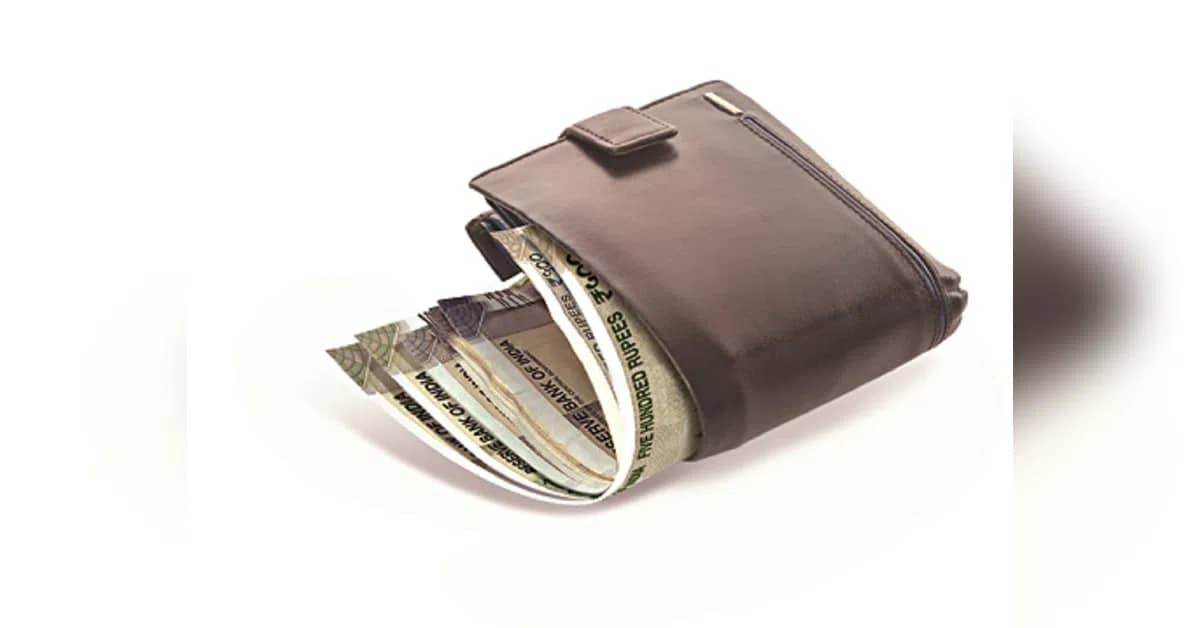
Effective September 17, 2026, the Employees' Provident Fund (EPF) wage ceiling in India was raised to Rs 25,000 per month. This change extends pension and insurance benefits to over 5 million additional workers but has raised concerns about reduced immediate cash-in-hand salaries for those earning above the previous limit, as higher mandatory contributions are deducted from gross pay. While some employers may attempt to recover the increased employer contribution, regulations restrict such recovery from certain employee categories, creating a complex adjustment period for payroll departments.
Japan: National Minimum Wage Rises to ¥1,177
Japan’s Central Minimum Wage Council finalized the 2026 national weighted average minimum wage at ¥1,177 per hour, a ¥56 increase from the previous year. The new rates will take effect on a staggered basis across prefectures between October 1 and December 2, 2026, with Tokyo reaching ¥1,280 and Miyazaki remaining at ¥1,085. This regional disparity continues to narrow for the 12th consecutive year, though employers face immediate compliance deadlines to update payroll systems before their specific prefecture’s effective date.

Germany: Retail Sector Secures Retroactive Wage Hike
The 2026 collective bargaining round for the retail sector in Bavaria concluded with a significant agreement: a 3% wage increase retroactive to August 2026, followed by an additional 2% in May 2027. This settlement provides immediate financial relief to employees who have already worked under the new rates for the past month, setting a benchmark for other German industrial sectors currently in negotiations.
US: Projections for 2027 Tax Bracket Adjustments
As taxpayers navigate the current year, financial analysts are projecting how IRS inflation adjustments for 2027 may alter federal tax brackets. Recent analyses suggest that adjustments could provide relief by pushing more income into lower tax brackets, combating "bracket creep" where inflation pushes earners into higher marginal rates without real income growth. These projections are critical for long-term financial planning, as the One Big Beautiful Bill Act continues to reshape deduction structures alongside standard inflation indexing.

Local view
In Japan, Indeed Hiring Lab Japan highlighted a lag between policy changes and labor market behavior, noting that while job postings reflect minimum wage hikes almost immediately, job seekers take months to adjust their expected wages. This "information time lag" means the full economic benefit of the ¥1,177 floor may not be realized in hiring dynamics until late 2026 or early 2027. Meanwhile, Nikkei reports that the gap between part-time and full-time wage growth is widening in Japan, with part-time wages rising faster due to minimum wage pressures, forcing retailers and service firms to rethink their workforce allocation strategies.
Context & numbers
- Japan Regional Spread: The difference between the highest (Tokyo ¥1,280) and lowest (Miyazaki ¥1,085) minimum wages is ¥195, continuing a 12-year trend of narrowing regional inequality.
- US Real Earnings: The BLS reported that real average hourly earnings rose 1.4% over the 12 months ending February 2026, driven by nominal wage growth outpacing inflation.
- OECD Minimum Wage Trend: Across OECD countries with statutory minimums, the real minimum wage in January 2026 was 12.8% higher than in January 2021, indicating sustained purchasing power gains despite recent inflationary pressures.
On the radar
- October 1, 2026: Ontario, Canada’s minimum wage rises to $17.95/hour, affecting thousands of workers in the province.
- Late 2026: Remaining Japanese prefectures will implement new minimum wage rates through December 2, requiring ongoing employer compliance checks.
- 2027 Planning: US taxpayers should monitor final IRS guidance on 2027 brackets, which will be released in early 2027 but are already influencing current-year withholding adjustments.
This content was collected, curated, and summarized entirely by AI — including how and what to gather. It may contain inaccuracies. Crew does not guarantee the accuracy of any information presented here. Always verify facts on your own before acting on them. Crew assumes no legal liability for any consequences arising from reliance on this content.
Powered by
